
Images of New Life
text and photos by John F. Williams, Spring 2025
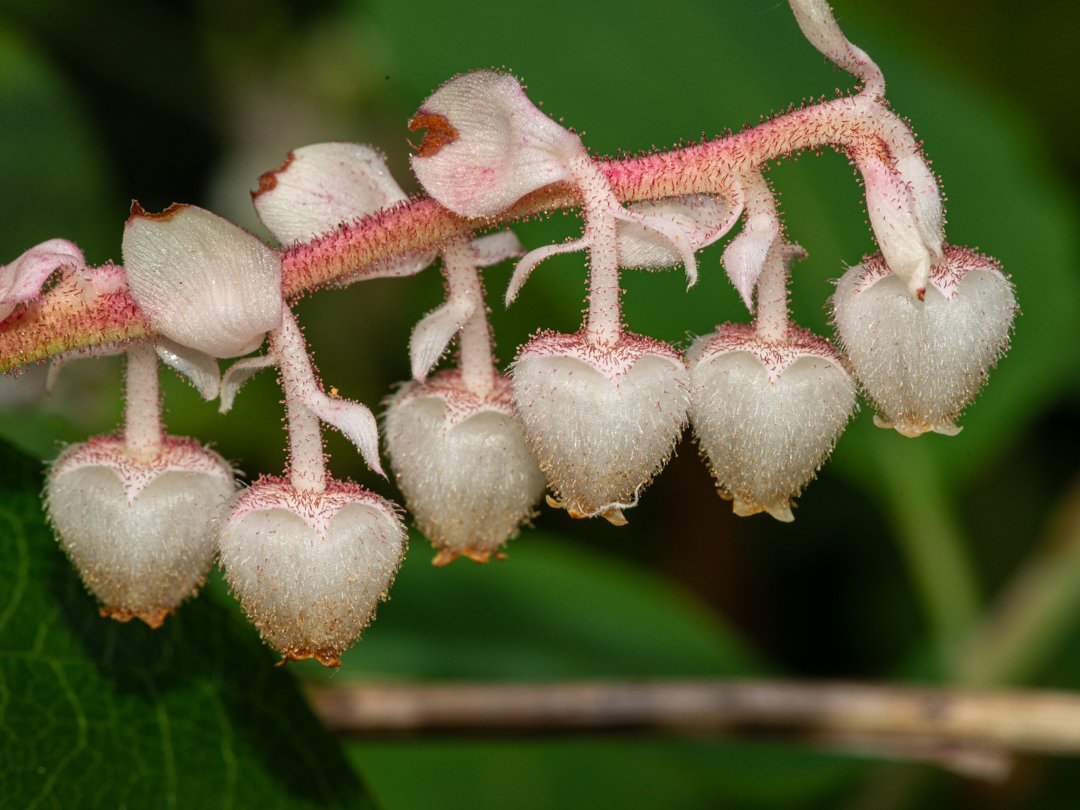
Salal flowers
Images of New Life
text and photos by John F. Williams
Spring 2025
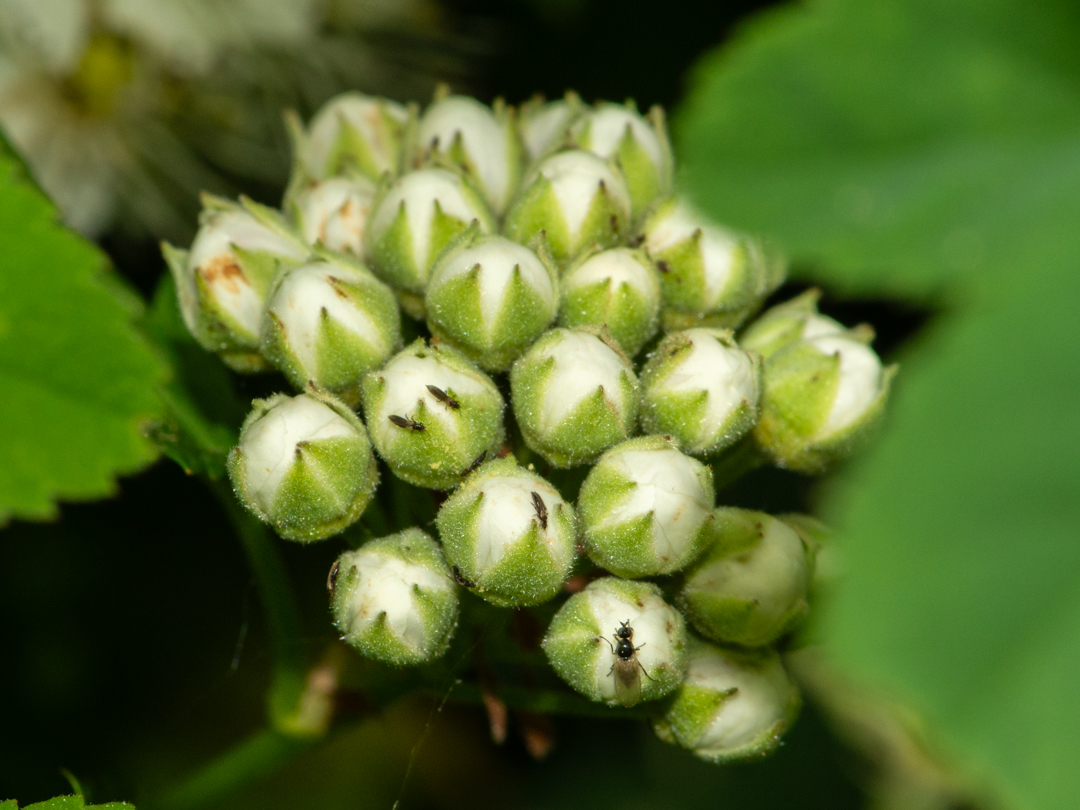
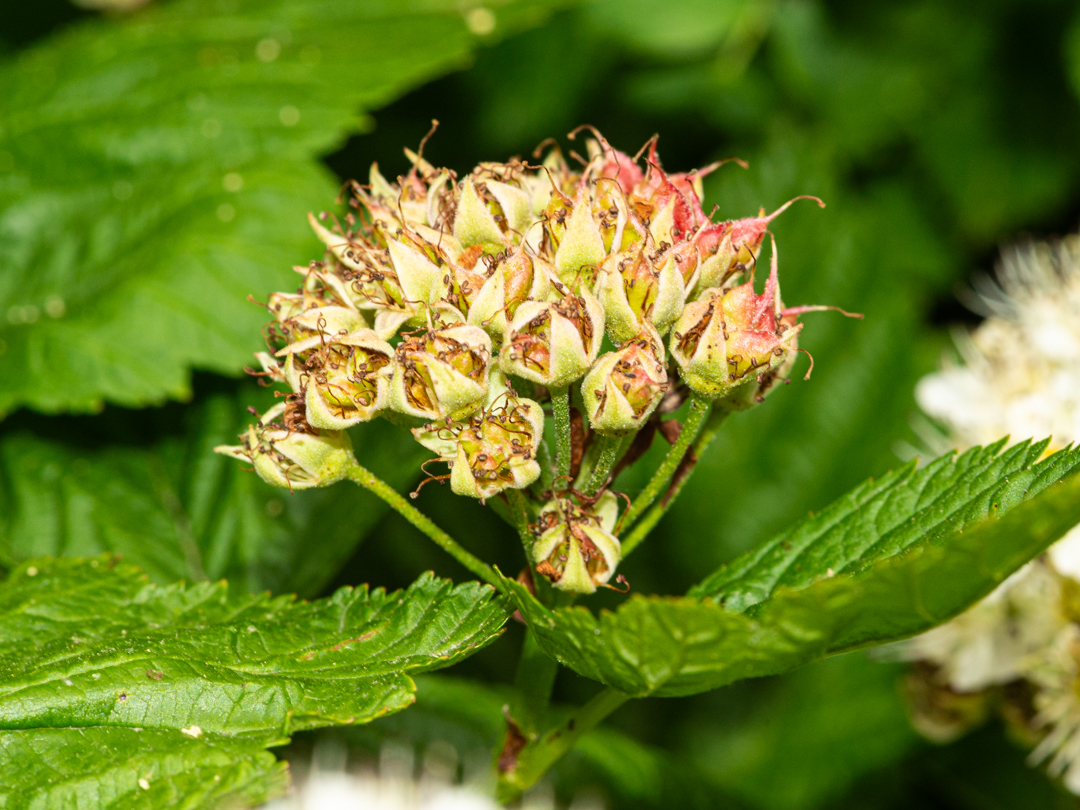
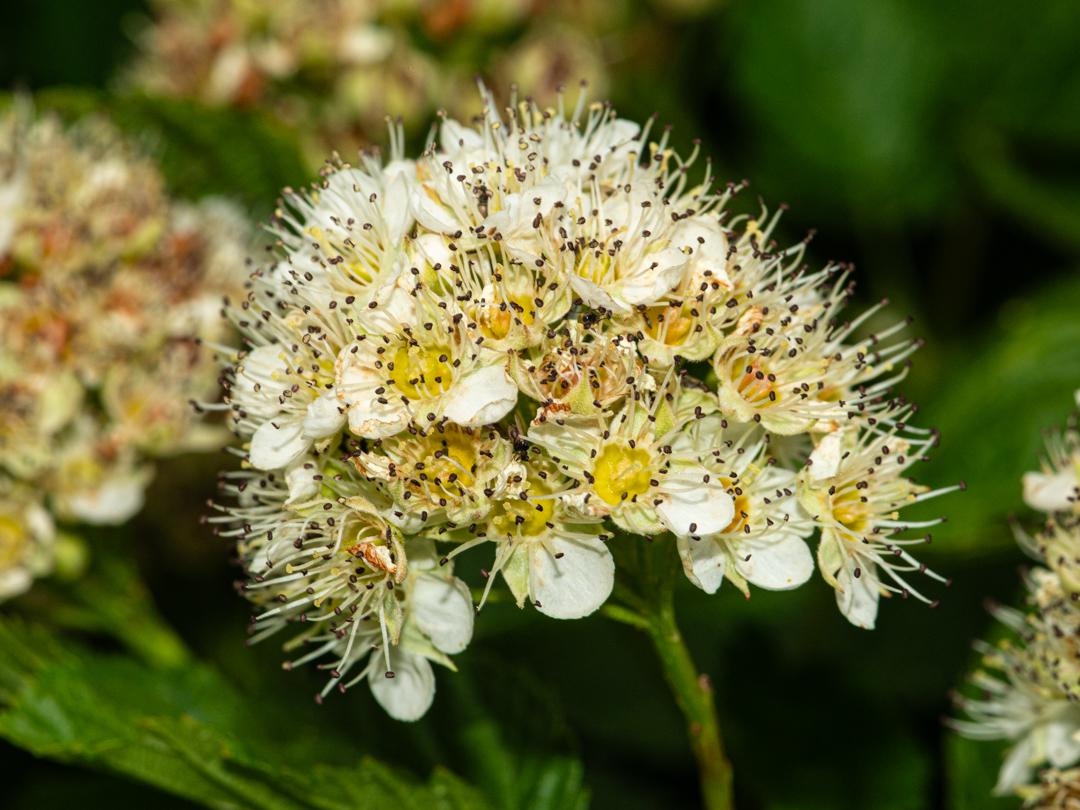
Here are some Pacific ninebark flowers in their bud stage, in their showy stage, and in their later withering and seed-forming stage. Interestingly, there were lots of insects on the buds, which you can see if you click on the photo to make it bigger. I wonder what about these buds was attractive to the insects?
I saw some other flower buds as well, both early and a later stage as the flower elements were forming.
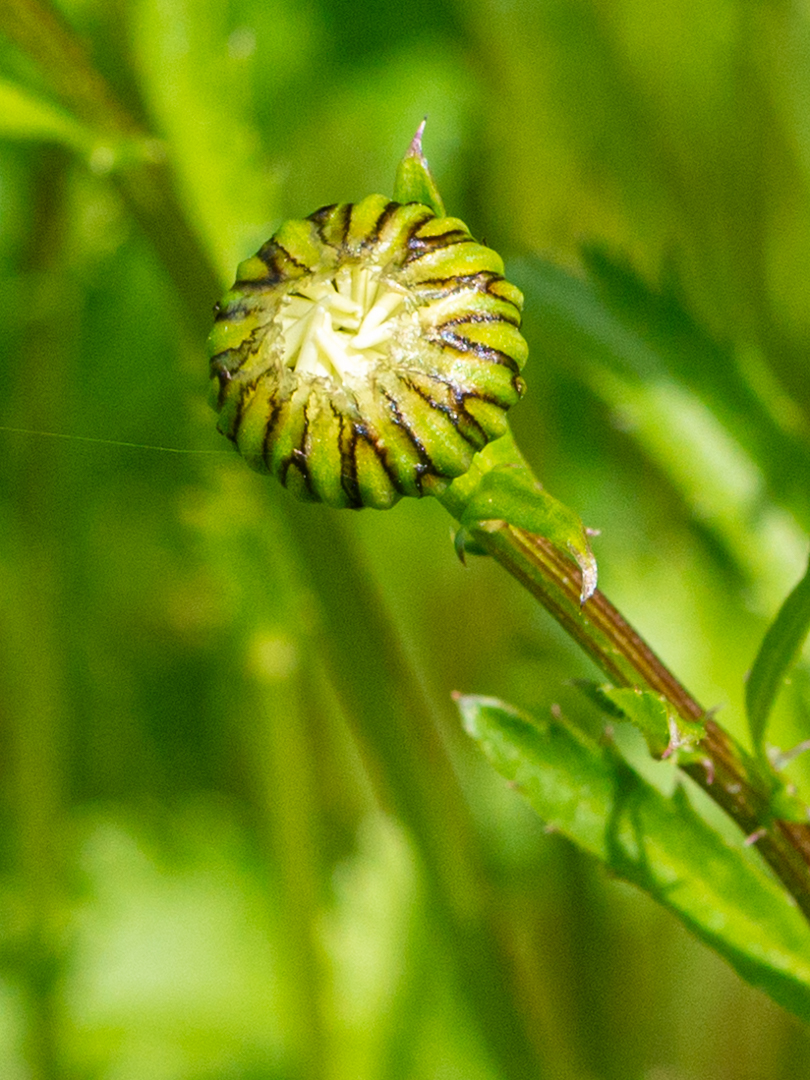
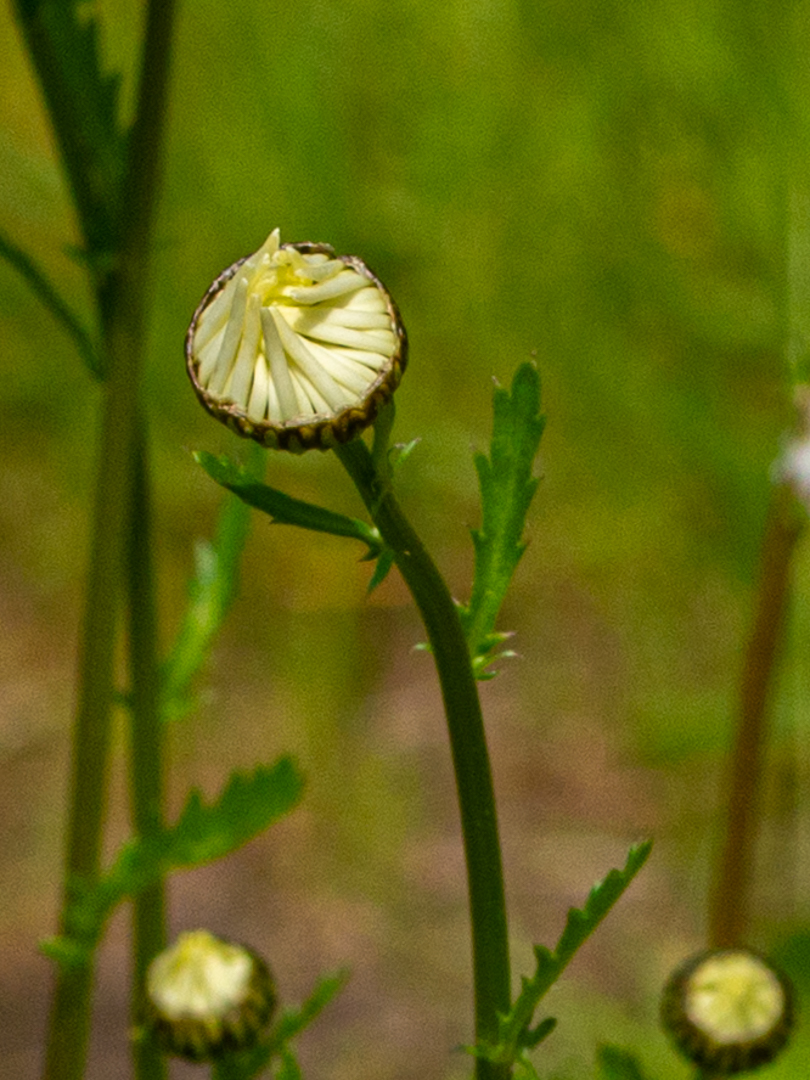
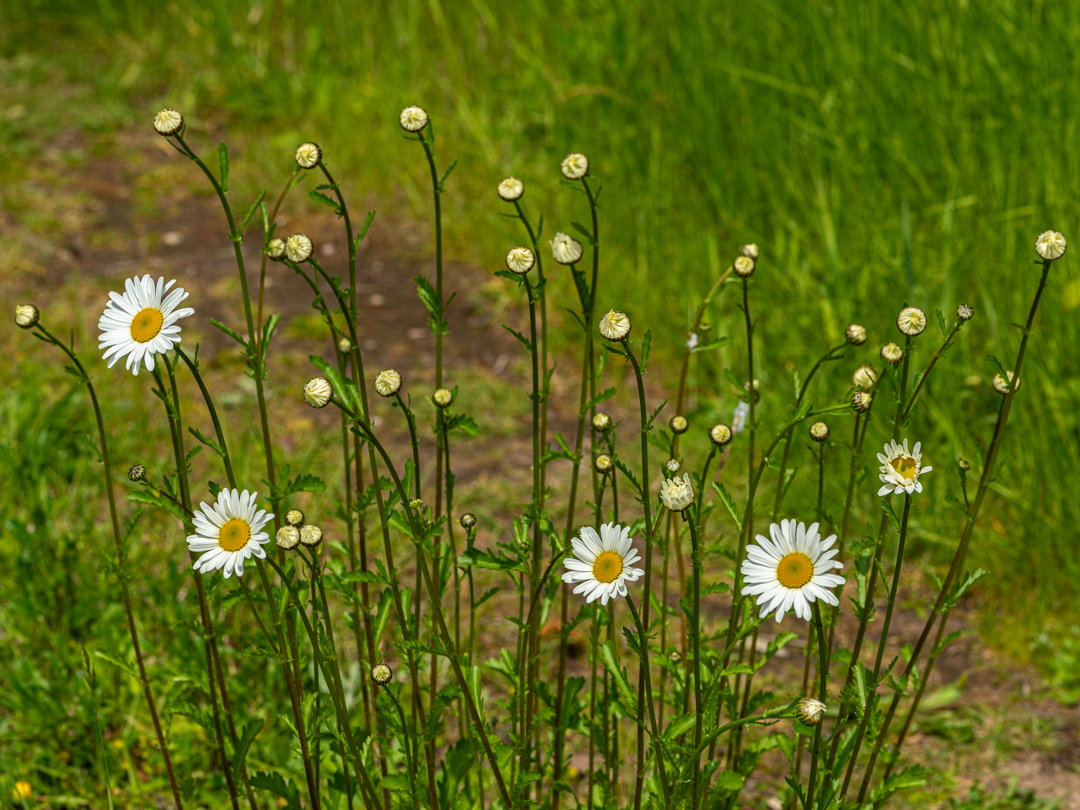
Once I found flowers which had opened up, I could see that they were daisies! And even though these opened flowers are no longer new, they are a key part of making more new life.
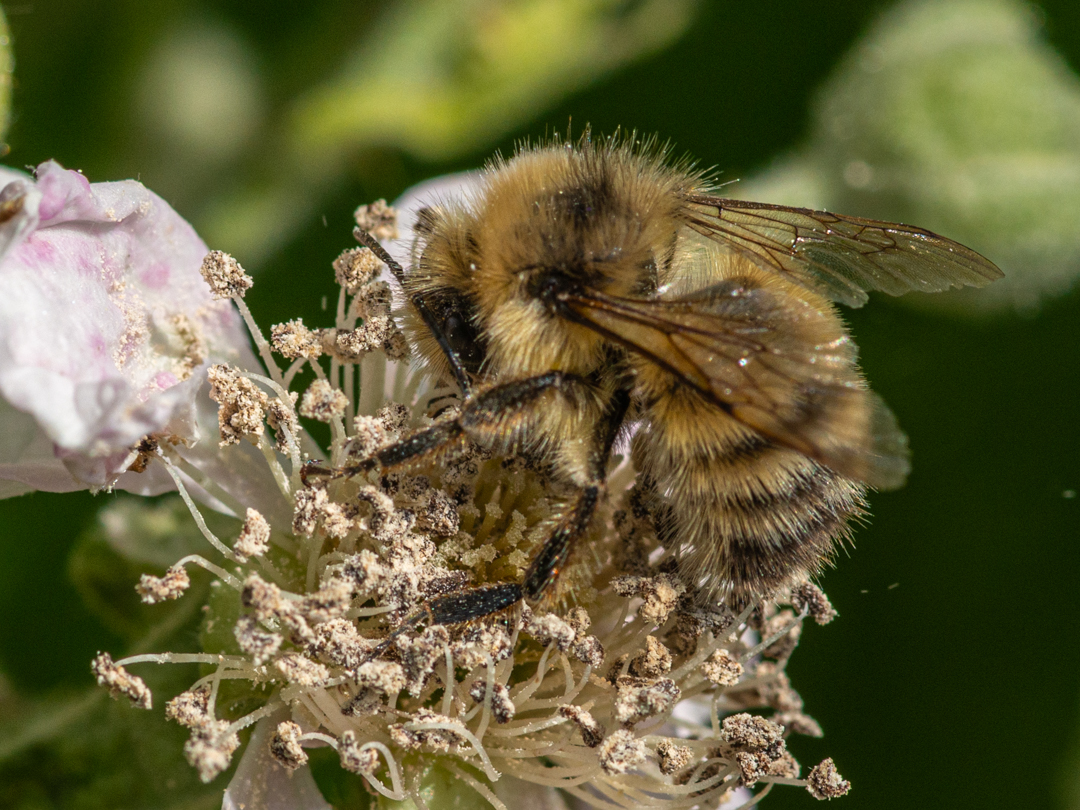
pollination
The plants aren’t flowering just for fun; they attract pollinators. And the pollen getting moved around is an important part of making new life.
I also saw a lot of variety in the sizes, shapes, and colors of flowers.
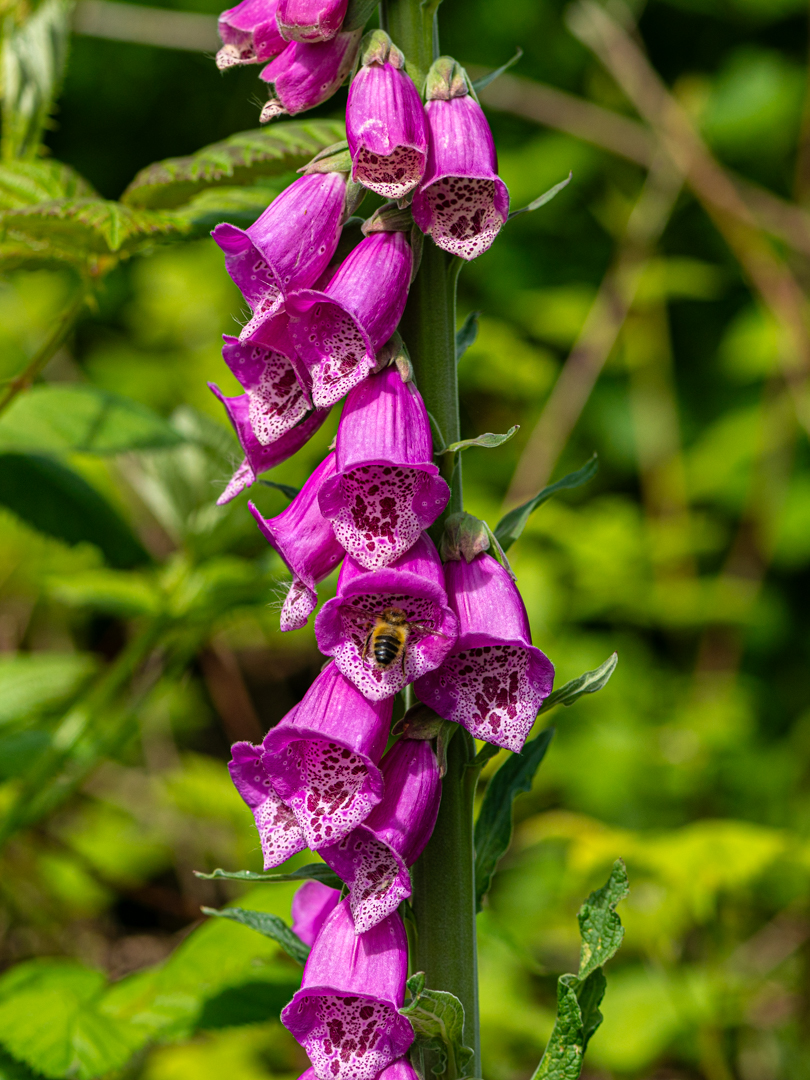
Bee on foxglove flower
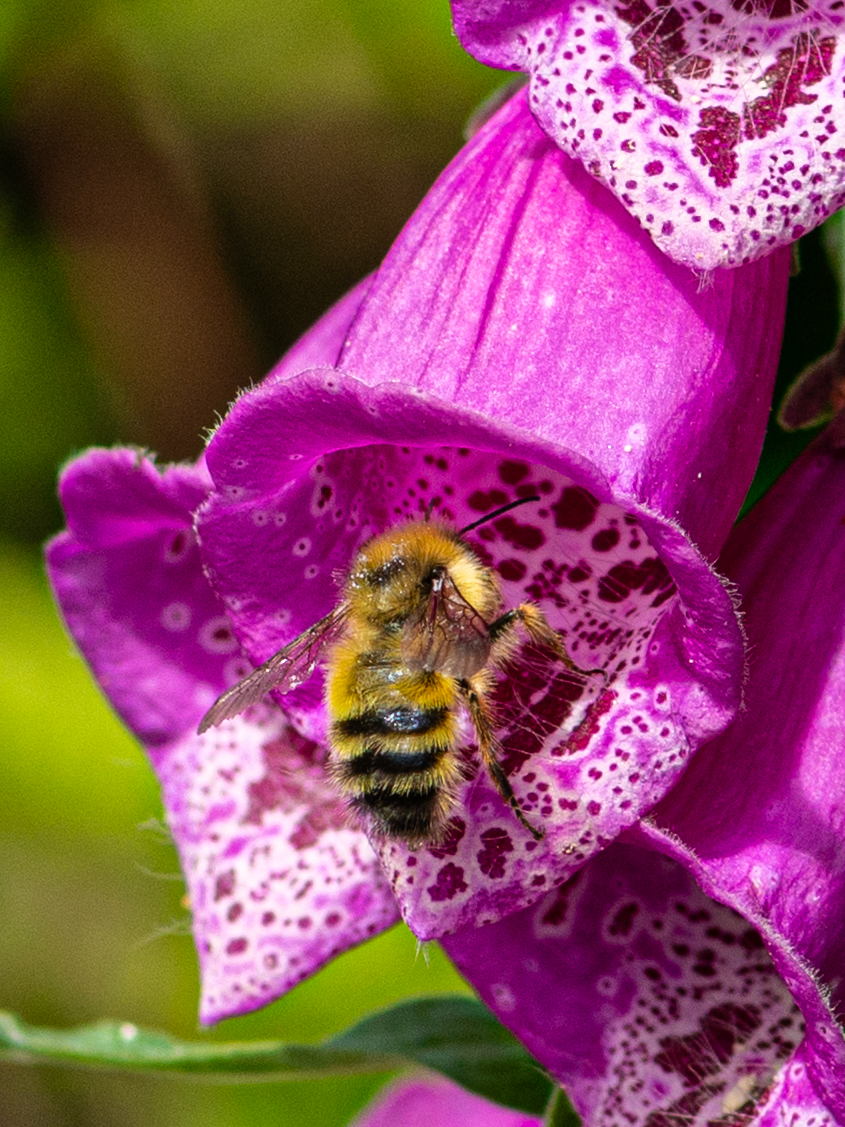
Bee on foxglove flower
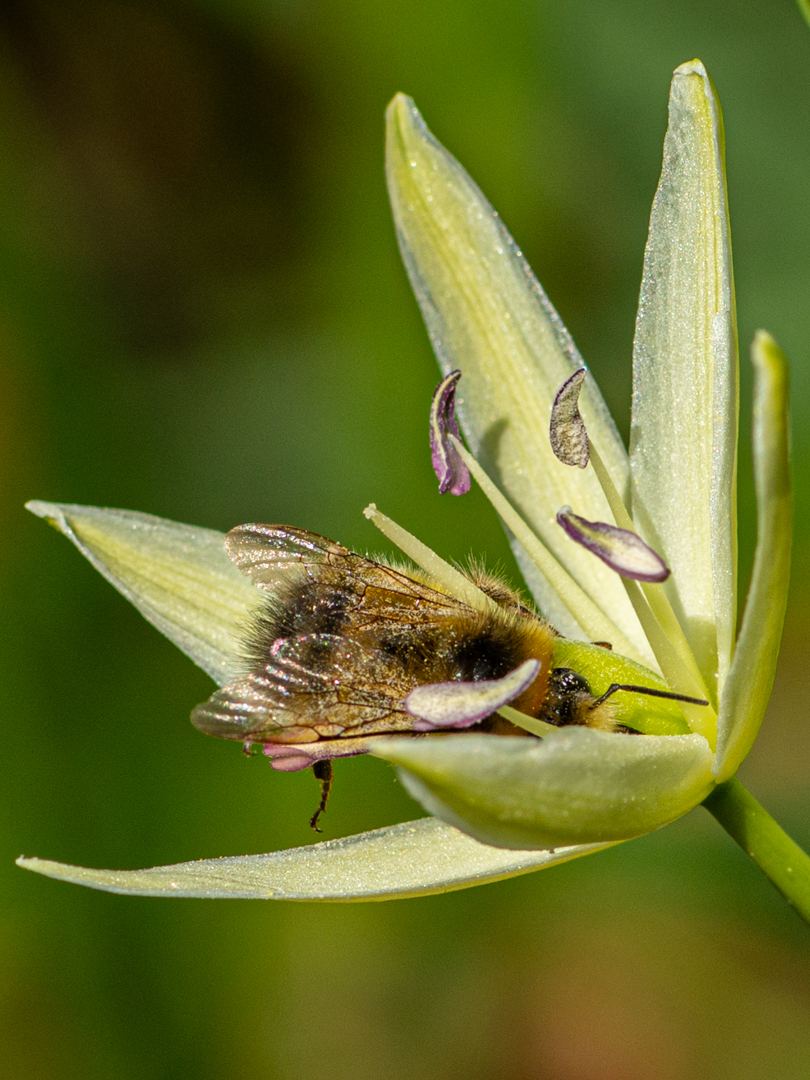
Bee on camas flower
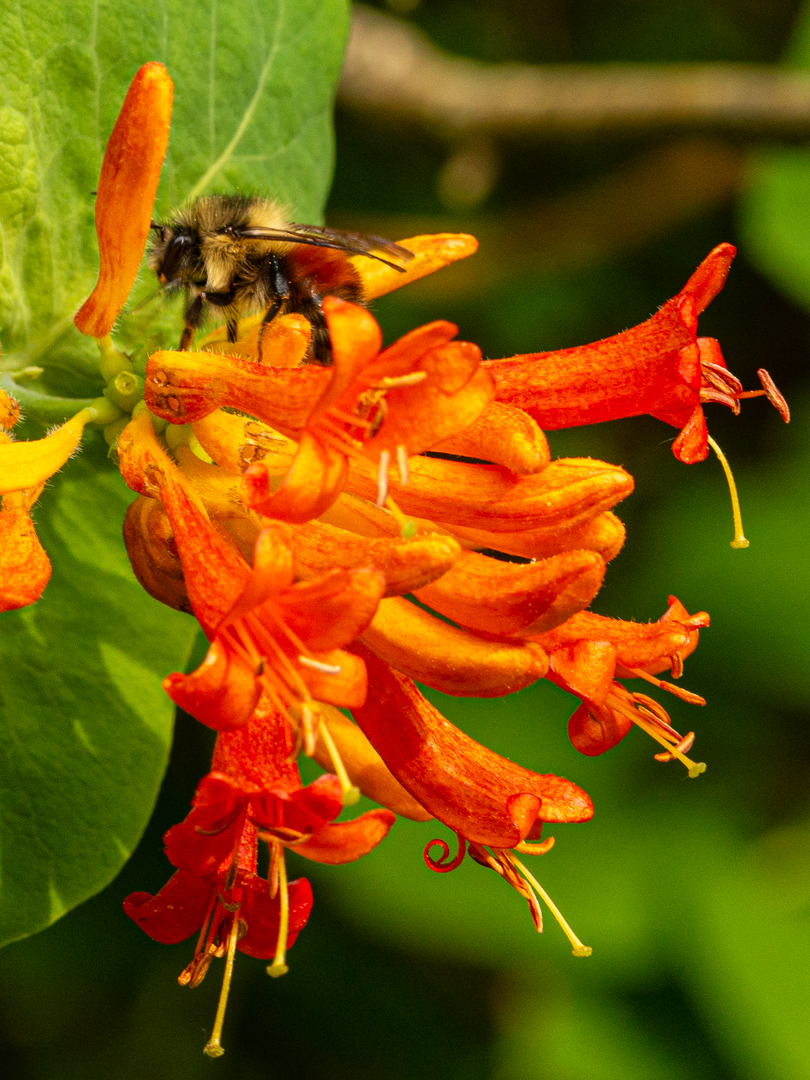
Bee on orange honeysuckle
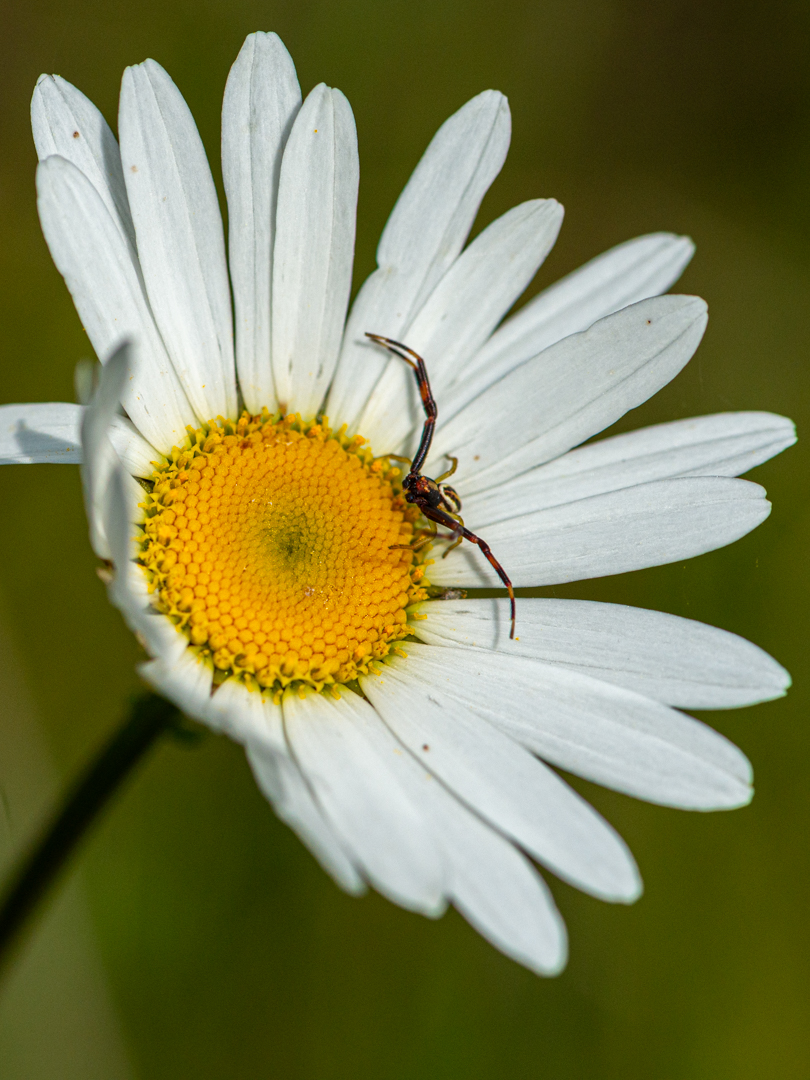
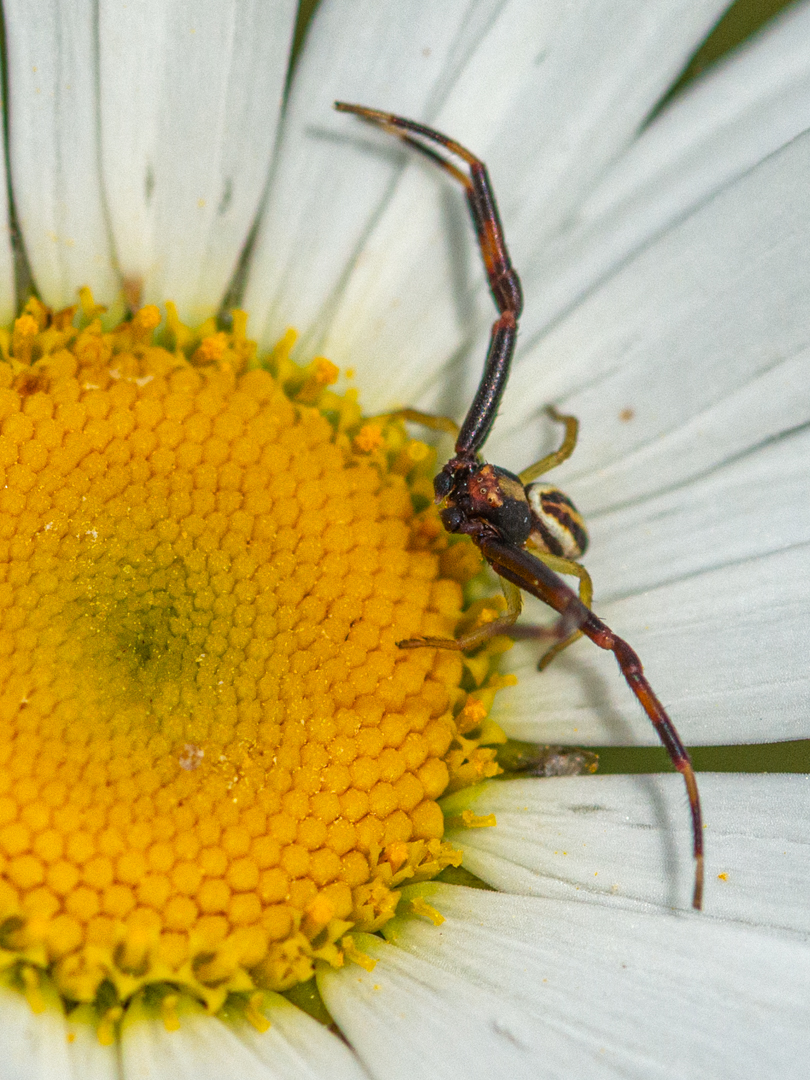
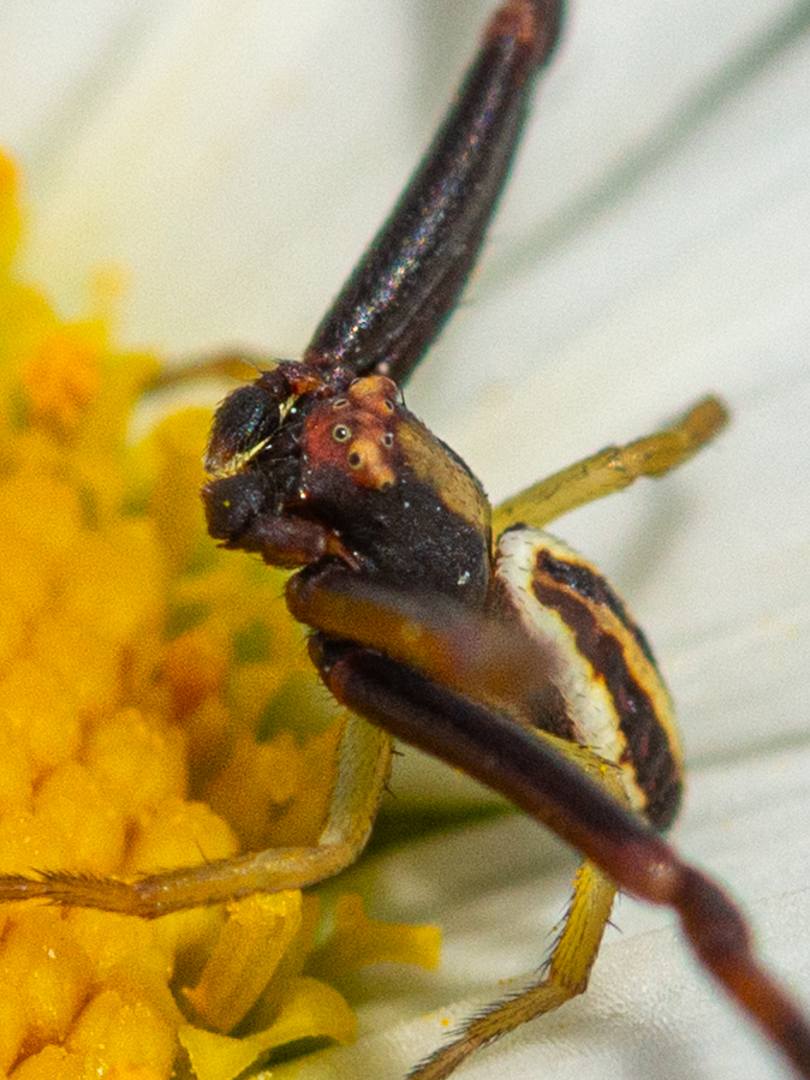
In addition to pollinators on plants, I also saw some crab spiders. These spiders lie in wait for a visitor to the plant, and then they make a meal of it.
But the spiders don’t only eat the pollinators. Spiders also eat insects and their larvae that feed on the flowers and damage the plant.
In the last photo you can see the spider’s two rows of eyes. The rows of eyes are pointing in different directions!
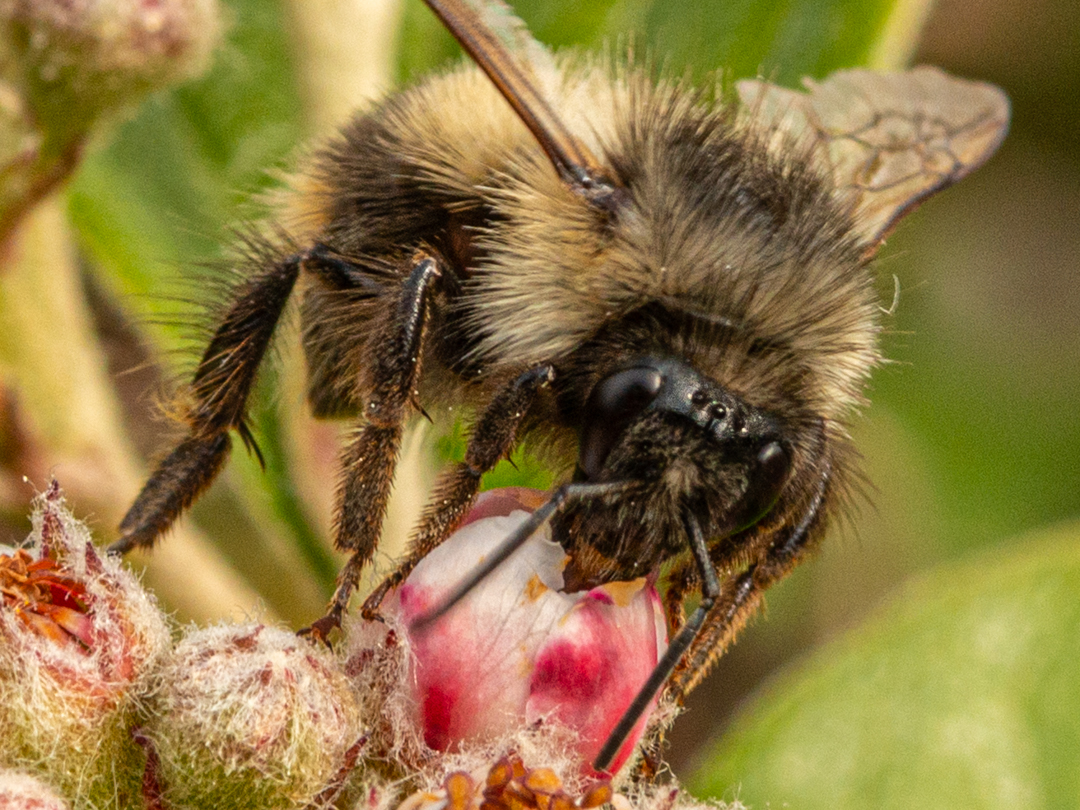
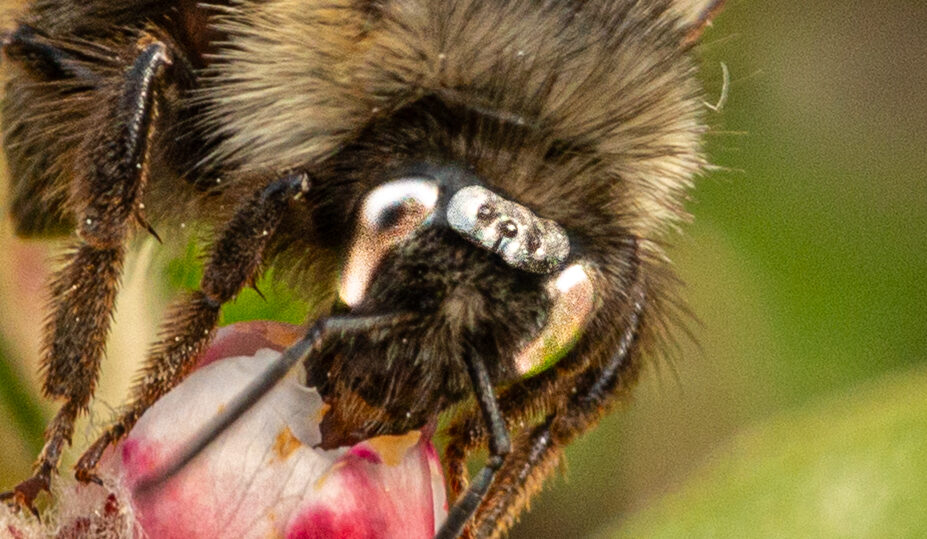
Speaking of eyes, did you know that bees have five eyes?
To make them easier to see, the eyes are highlighted in the small photo. There is one compound eye on each side of the head, and three tiny ones in the middle.
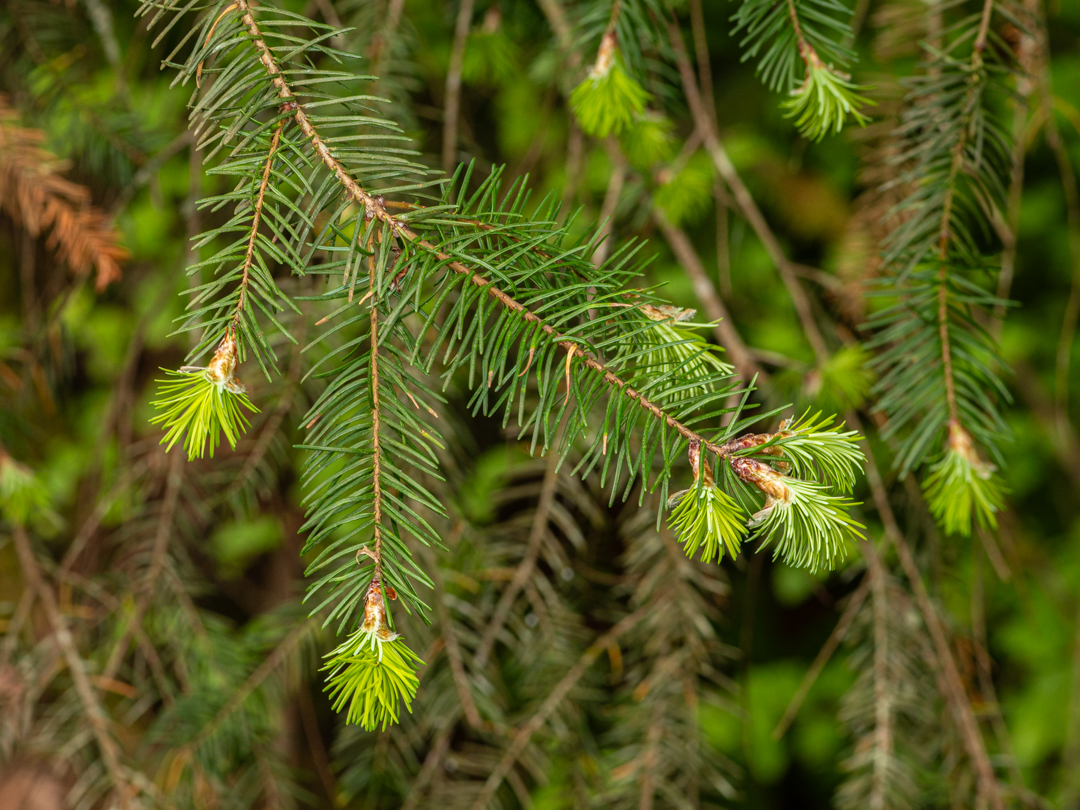
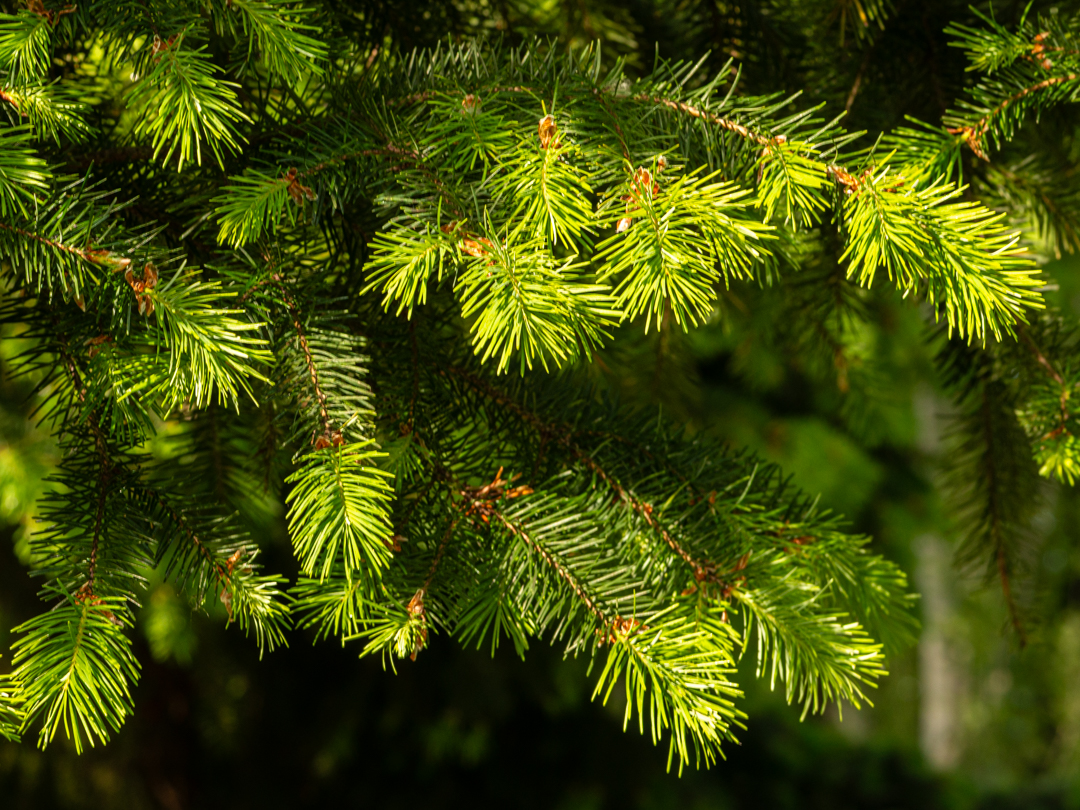
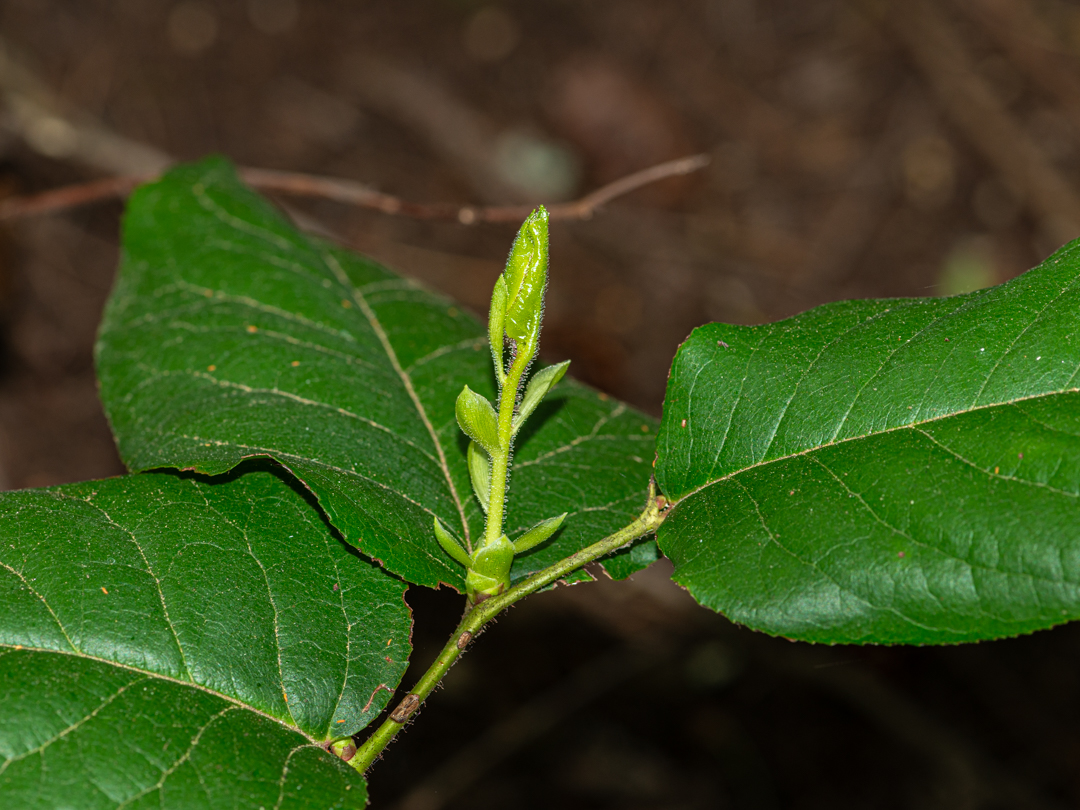
I really hadn’t been thinking that evergreen plants would be a place to look for new life, but they caught my attention.
Both hemlock and Douglas fir trees were sporting new needles on the ends of their branches, and those needles were a light green, which contrasted with the darker green of the older needles.
Even salal, an evergreen bush which creates the amazing looking flowers at the top of this article, was sprouting some new life.
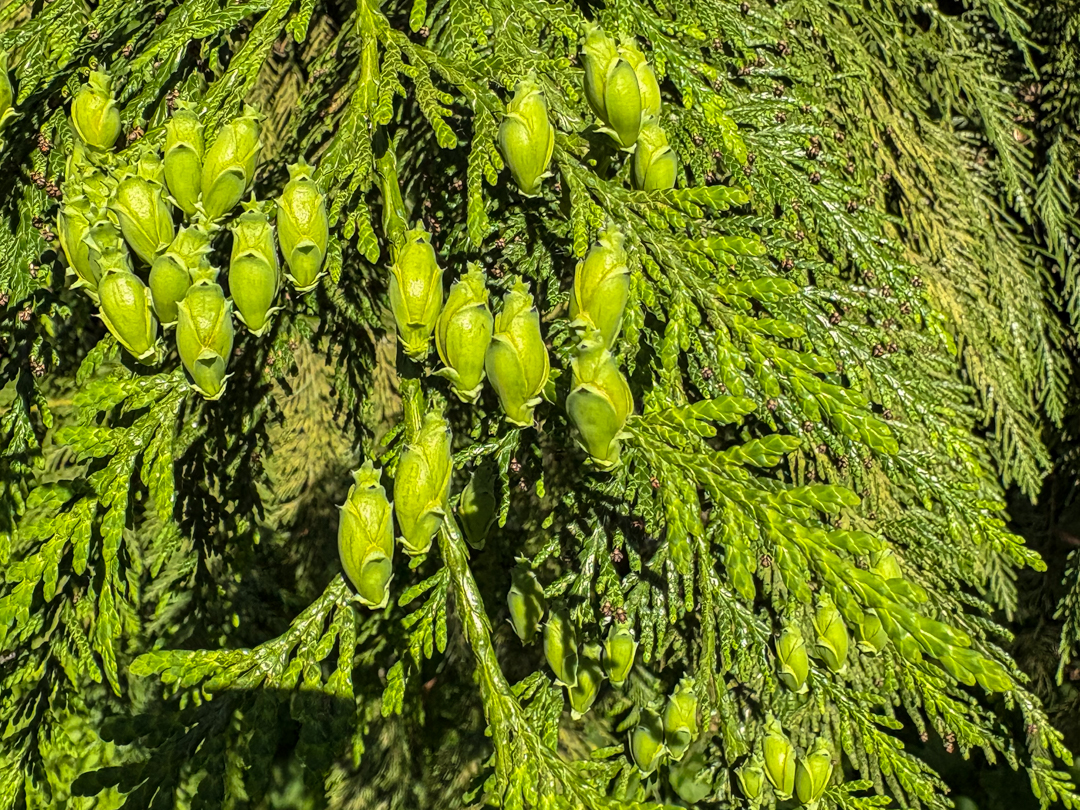
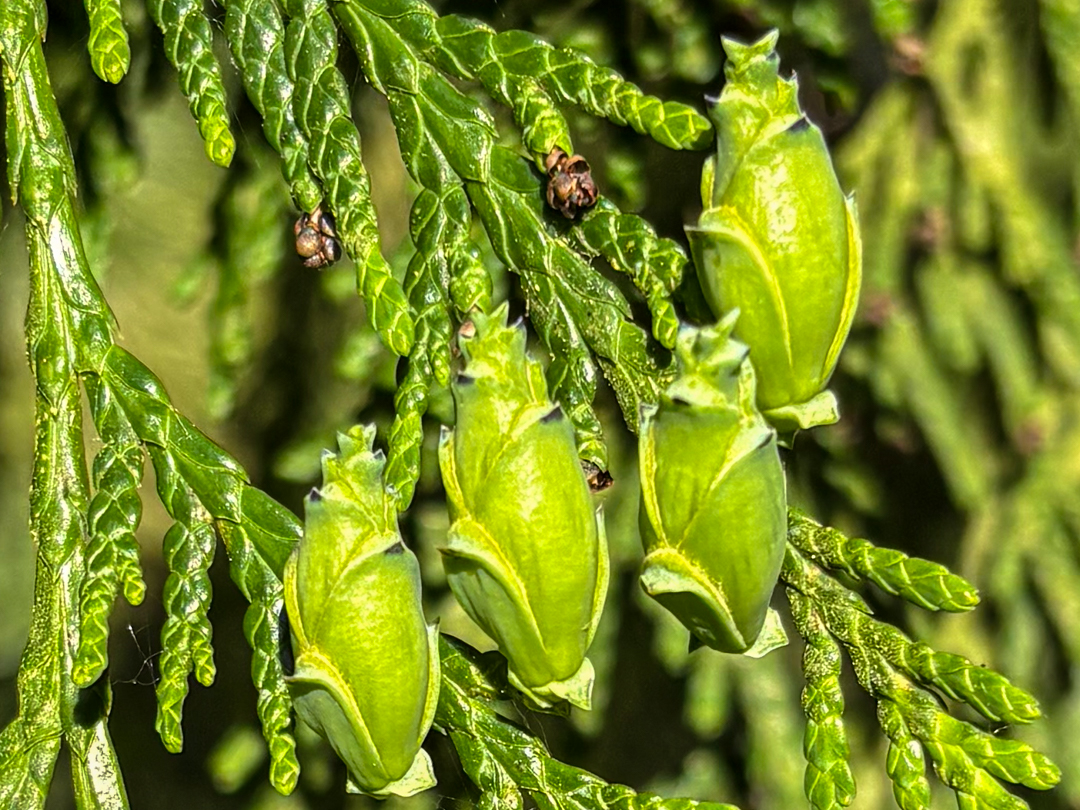
I also saw a Western red cedar tree, and as I got closer, I saw that there were lots of tiny cones growing on the tree. I’d never noticed cones on a cedar tree before. But there they are — getting ready to create new life!
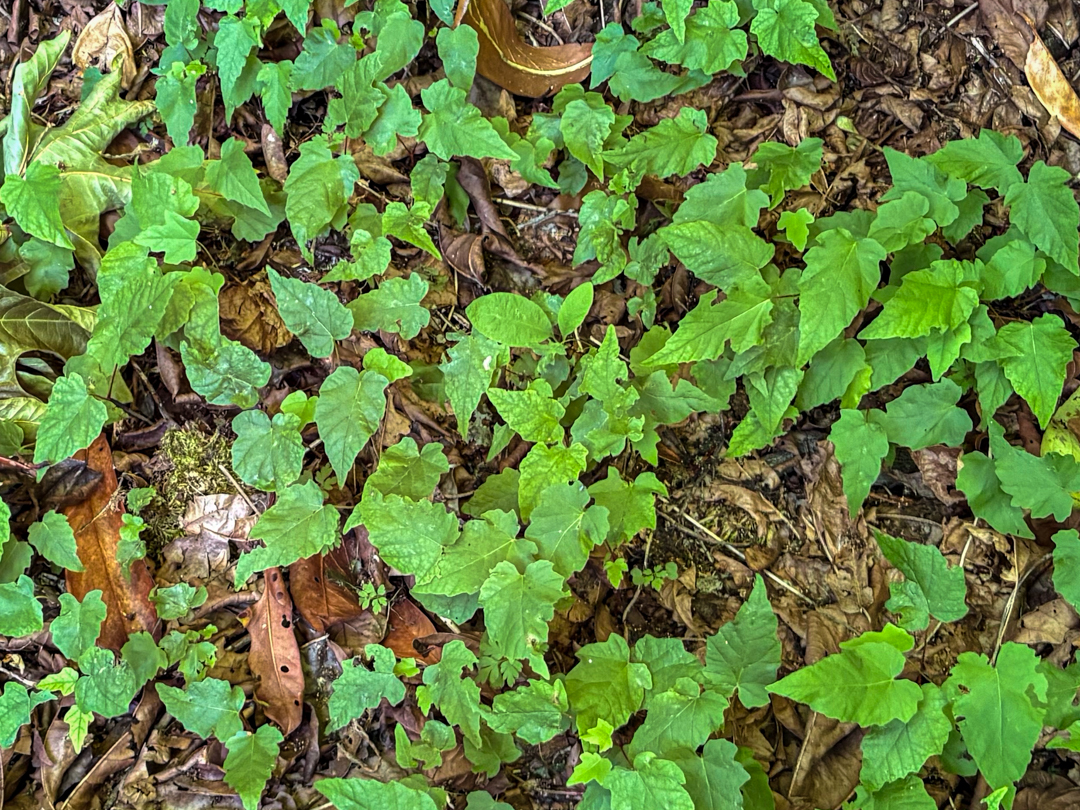
And near some bigleaf maple trees, the ground was almost covered with seedlings — truly new life!
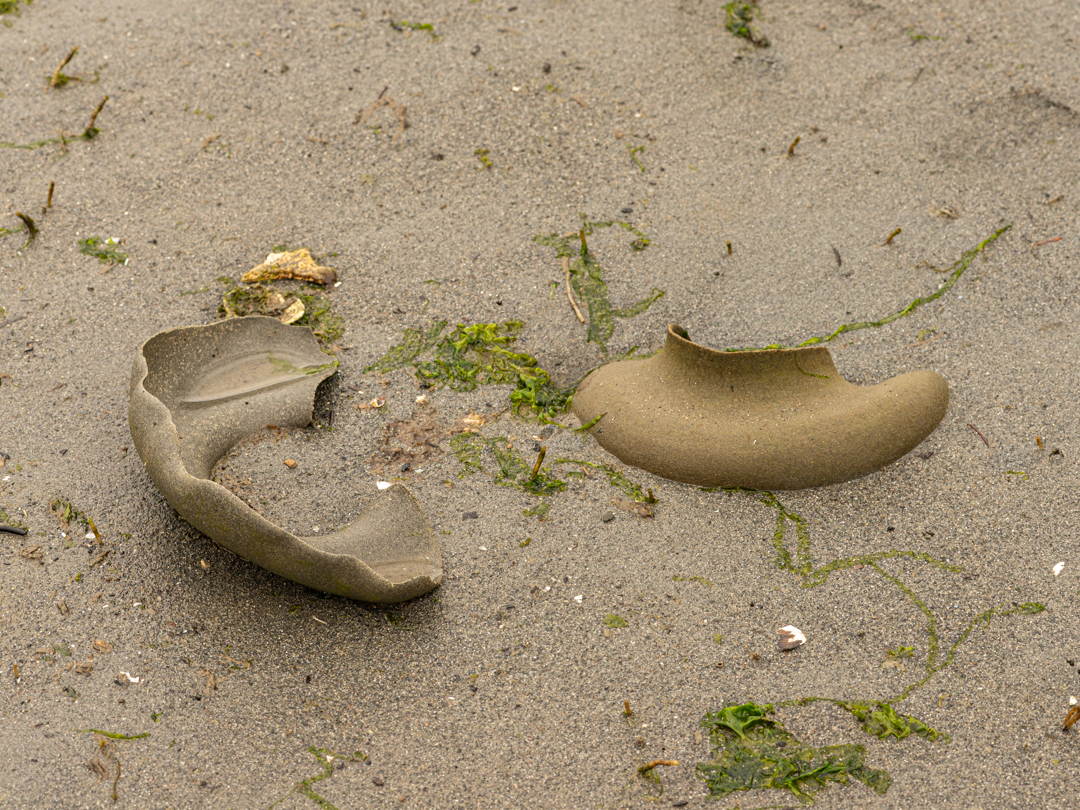
Of course, the marine world has new life too, and walking on the beach at low tide is a good way to see some of it. Here are two moon snail egg collars. The moon snail exudes a mixture of sand and eggs to form these collars.
 See more about moon snails and their eggs in an article from Summer 2021.
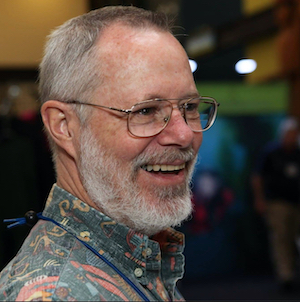
John F. Williams, publisher of Salish Magazine: over decades of exploring underwater and in our forests and beaches, his experiences have been enriched by the insights of knowledgeable people.
For years, he shared those insights by making educational films and through lecture tours. Now, he publishes Salish Magazine to extend that notion of sharing insights by offering a wealth of articles that are keyed to the observable, but pull back the curtains to reveal the invisible.
Issue Page
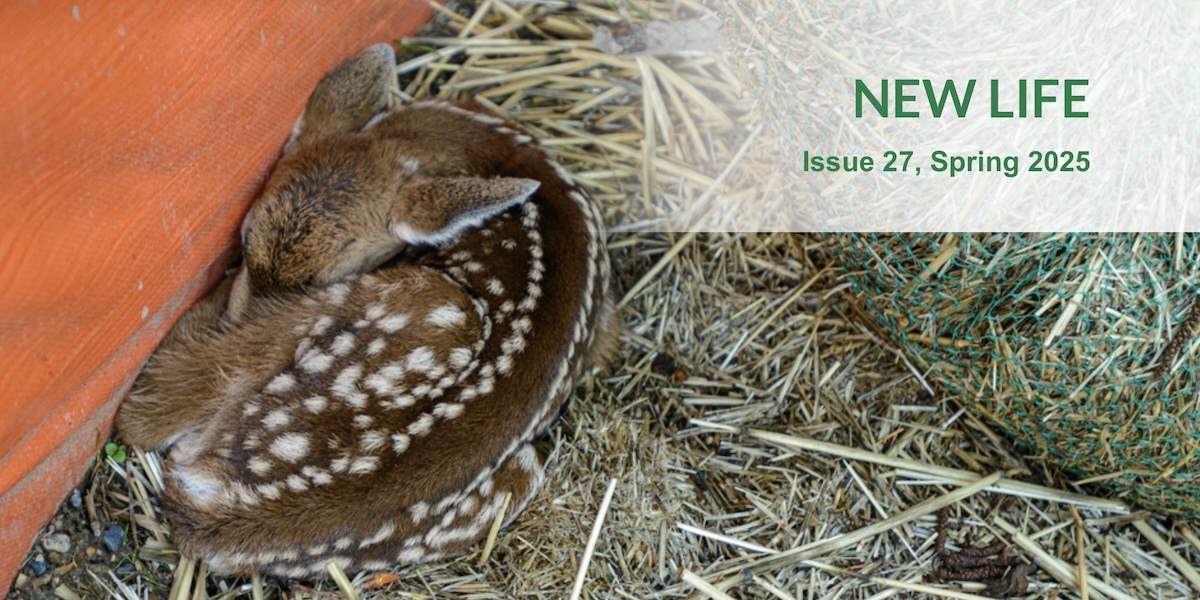
Table of Contents, Issue #27, Spring 2025
Springtime Bees
Springtime Bees by Sarah Ottino Spring 2025A ground-nesting bee on some blades of grass. photo by Rich Hatfieldby Sarah Ottino Spring 2025The longer, warming days of spring rouse native bees from their winter slumber. While domesticated European honeybees produce a...
Salish Sea Salamanders
Salish Sea Salamandersin Urban Spaces by Dominick Leskiw and Julianna Hallza, Spring 2025Closeup of the face of a long-toed salamander. photo by Julianna Hallzaby Dominick Leskiw and Julianna Hallza Spring 2025How do long-toed salamander populations (and by extension,...
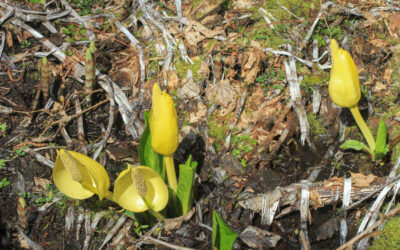
Spring Aliens
Spring Aliens in the woods by Thomas and Sara Noland photos by Thomas Noland Spring 2025by Thomas and Sara Noland photos by Thomas Noland Spring 2025It’s spring in the woods, and botanical aliens are awakening. They aren’t really aliens — they’re native inhabitants of...
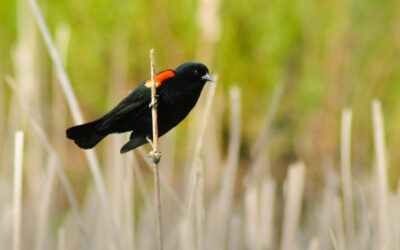
Herald of Spring
Red-Winged Blackbird: Herald of Spring by Lucienne Miodonski Spring 2025Red-winged blackbird among the cattails in a wetland. photo by John F. Williamsby Lucienne Miodonski Spring 2025In the Skagit Valley of the Pacific Northwest, where the northern arm of the Salish...
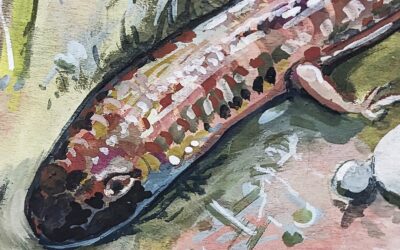
Artwork 27
by Linda Hanlon Spring 2025This northern alligator lizard lives near me. I am always happy to see them when I find them in my yard. For more about alligator lizards, you might look here: https://wdfw.wa.gov/species-habitats/species/elgaria-coeruleaTrillium can be...
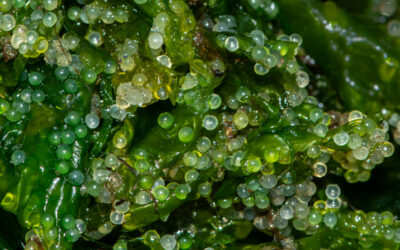
Poetry 27
Poetry 27 by multiple poets Spring 2025Herring eggs on kelp at low tide in Agate Passage. photo by John F. Williamsby multiple poets Spring 2025THE KISS OF SPRING by Diane Moser Blazing pink-whitecotton candy treesdance over sidewalksand roadside. They throw...
COPYRIGHT
Copyright SEA-Media
All rights reserved. Reproduction or distribution, in whole or in part. without consent of copyright owner is strictly prohibited — except for brief quotations in critical reviews and other noncommercial uses permitted by copyright laws.
SEA-Media is a 501(c)(3) nonprofit corporation
PLEASE HELP SUPPORT
SALISH MAGAZINE
DONATE
Salish Magazine contains no advertising and is free. Your donation is one big way you can help us inspire people with stories about things that they can see outdoors in our Salish Sea region.
We also don't advertise Salish Magazine, so please spread the word of this online resource to your friends and colleagues.
Thanks so much for your interest and your support.