
BIRDS CATCHING STUFF: A PHOTO ESSAY — Winter 2021
Photos by Michael F. Adams, except as noted
Captions by Thomas Noland

BIRDS CATCHING STUFF: A PHOTO ESSAY — Winter 2021
Photos by Michael F. Adams except as noted
Captions by Thomas Noland
common goldeneye
These ducks are cavity nesting birds that often use the same tree cavity in successive years. The goldeneyes are named for their brilliant yellow iris. They belong to the diving duck family.
[on a computer, clicking on the smaller photos will make them bigger]


 See more about this bird at: Common Goldeneye, All About Birds, Cornell Lab of Ornithology
horned grebe
The babies of these diving birds ride on the backs of their parents and even hang on while the parents dive. Horned grebes eat some of their own feathers. They form a matted plug in the stomach that biologist think may act as a way of straining fish bones in the stomach, causing them to remain longer and be digested further. The adults even feed their chicks feathers to help get this plug started.
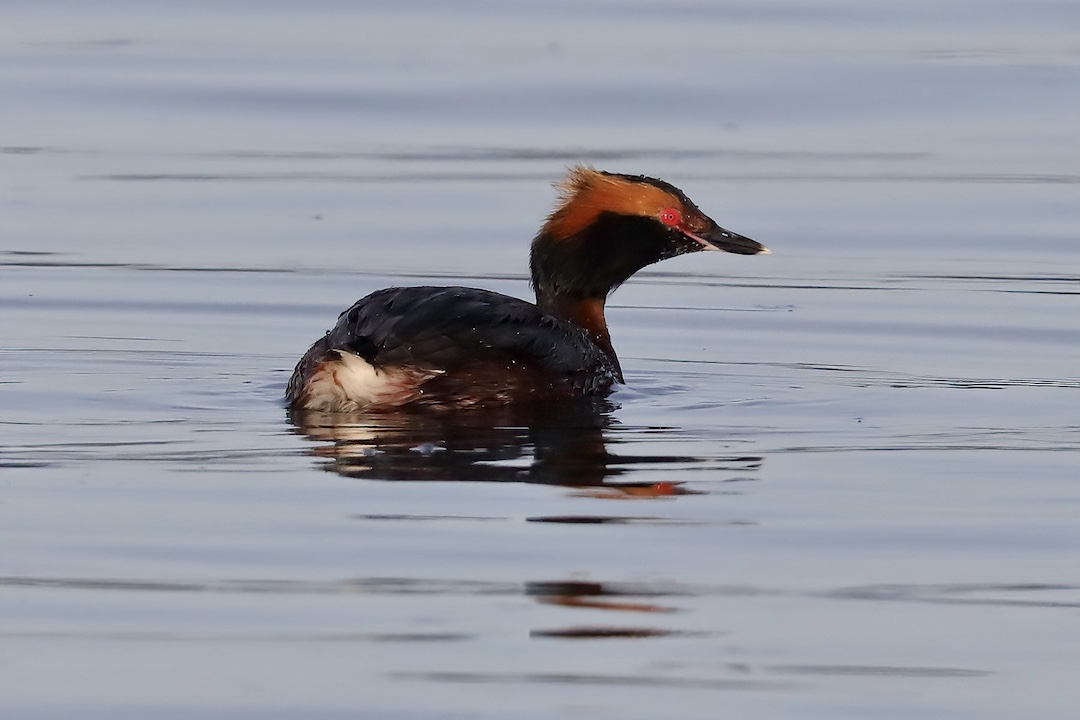
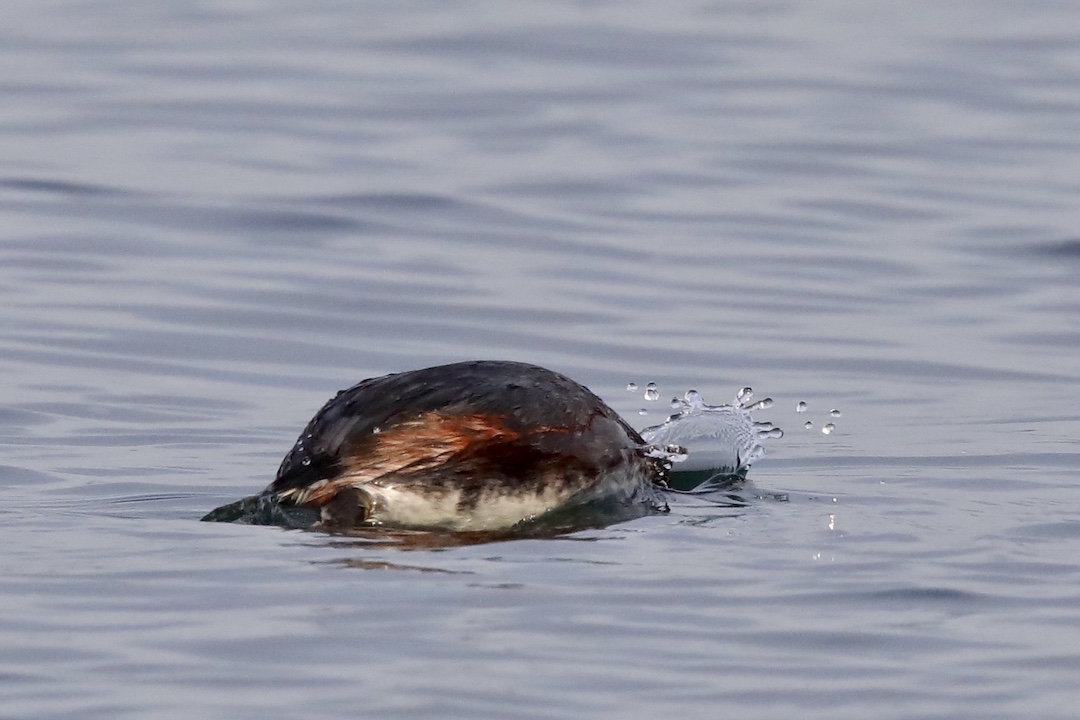
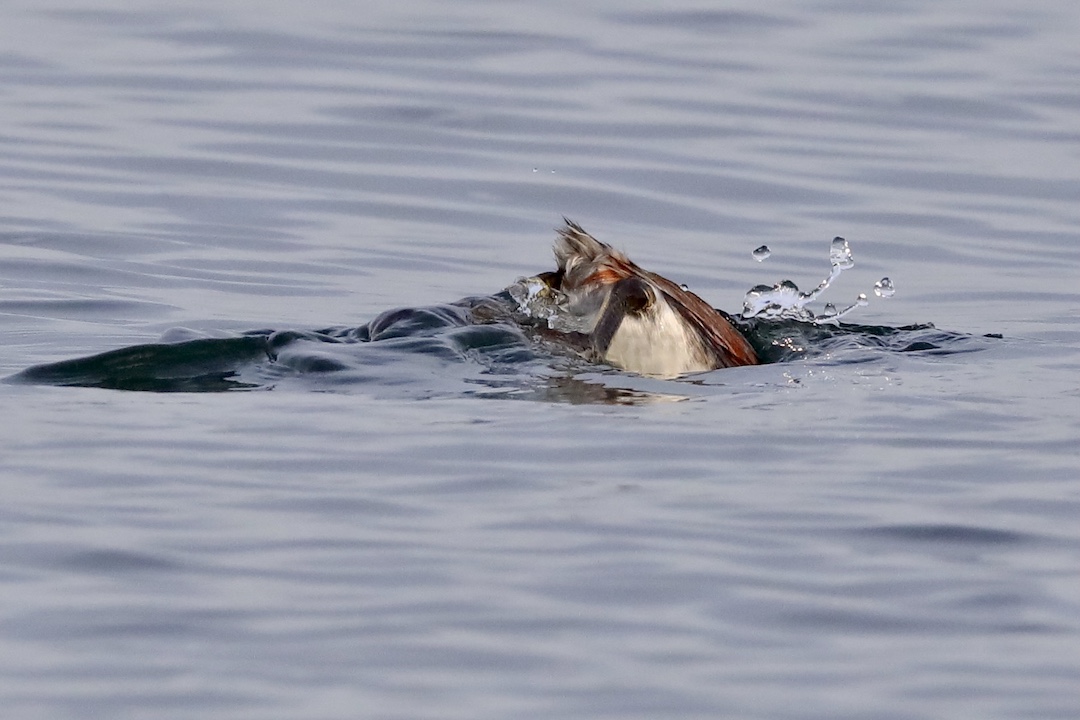
See more about this bird: Horned Grebe Overview, All About Birds, Cornell Lab of Ornithology

glaucous-winged gulls
Common year-round on the coastlines from Alaska to Washington, these gulls feed on a variety of things from animals to garbage. One trick they’ve learned is to fly up into the air with a clam and drop it. After the clam slams into the ground, it has a harder time staying closed, so that the gull can eat it.
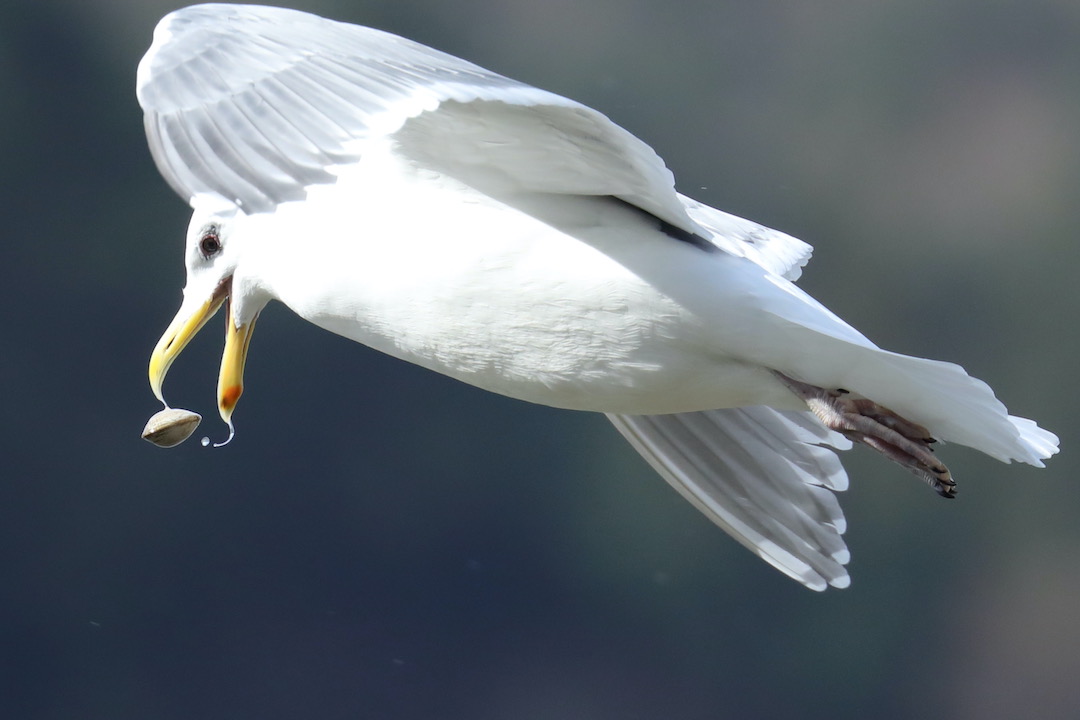
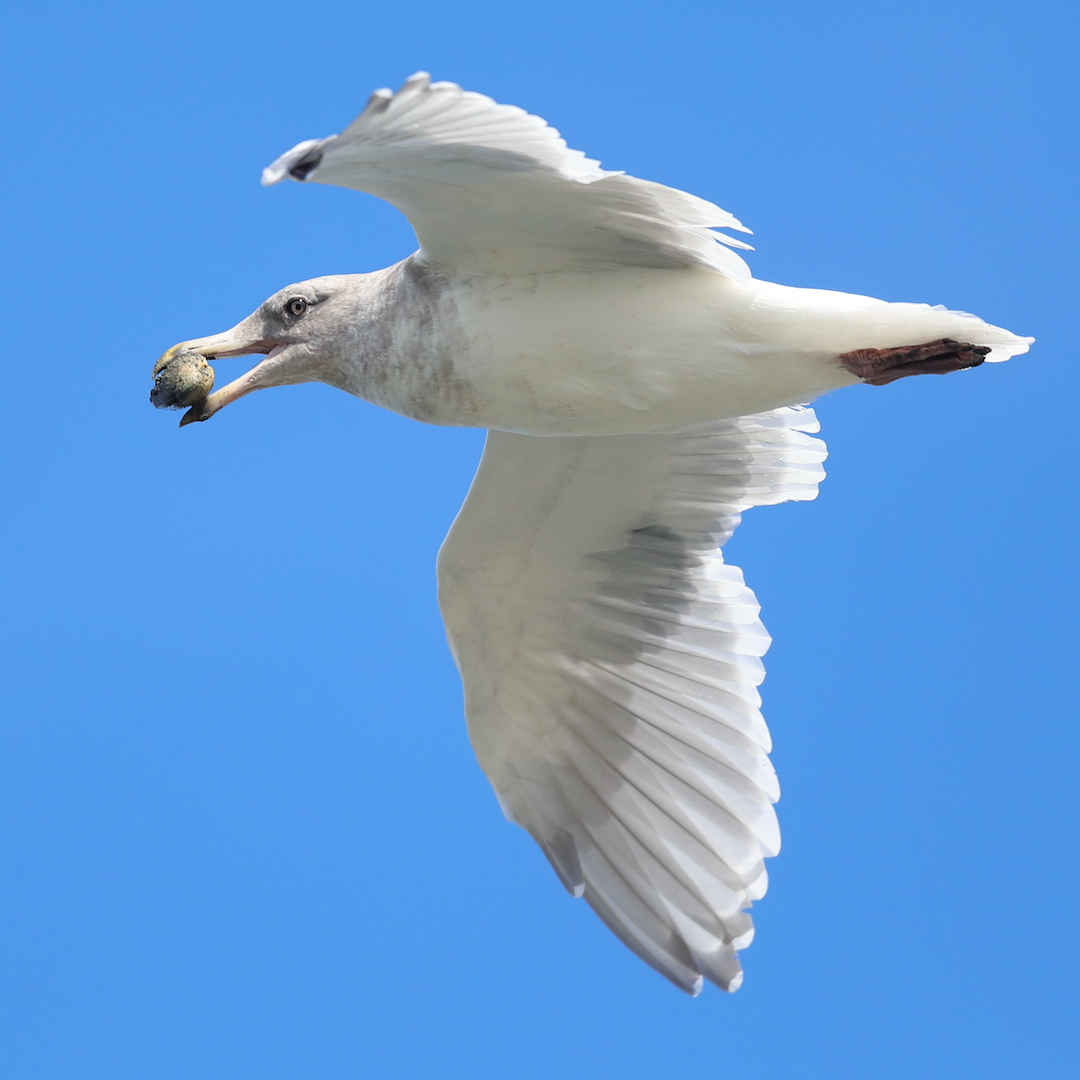
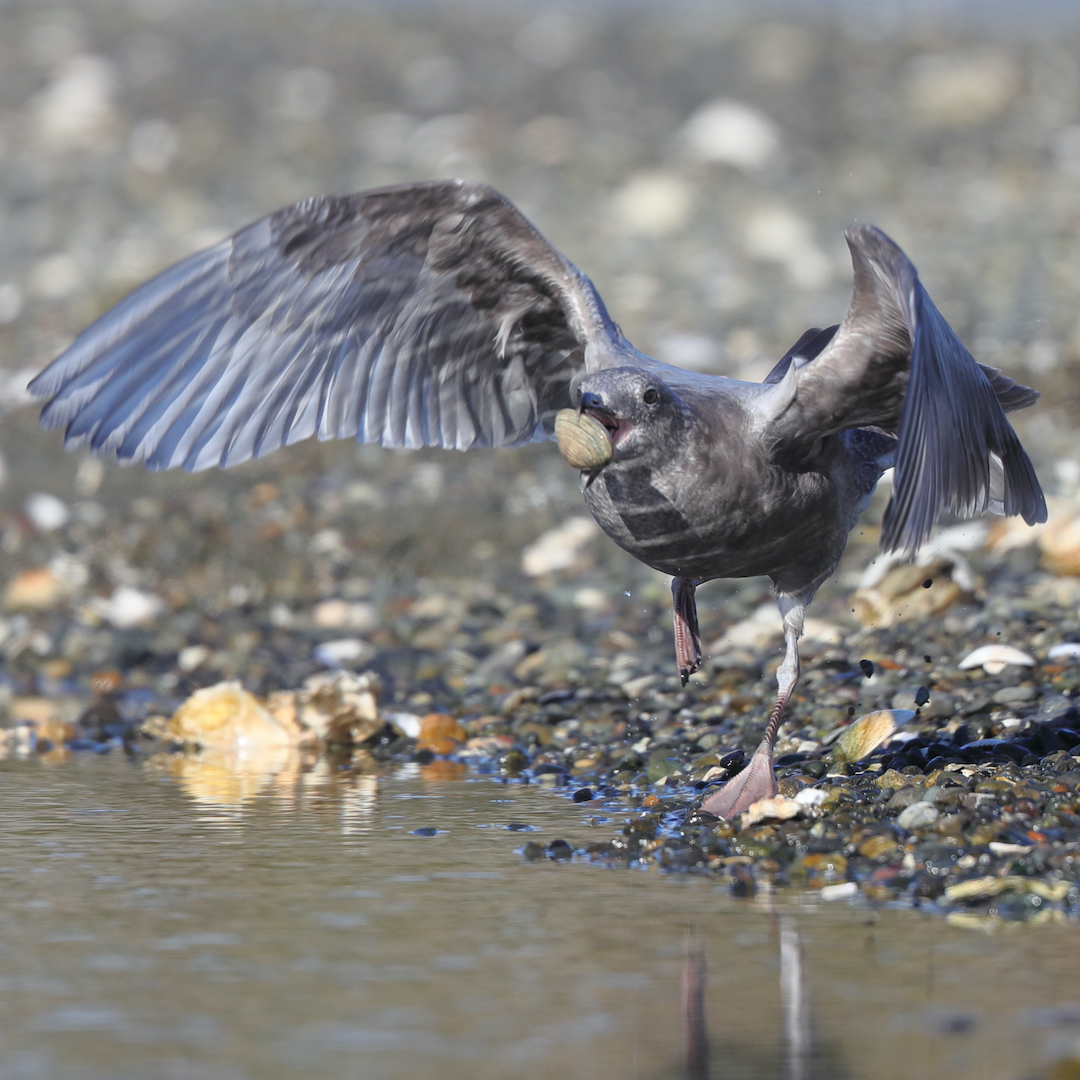
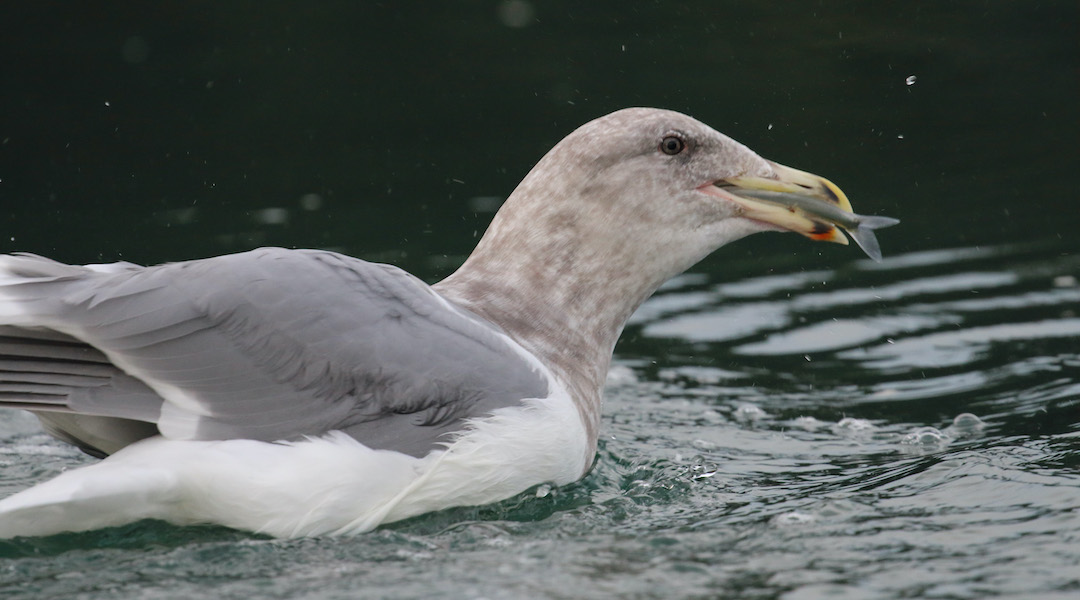
See more about this bird at: Glaucous-winged gull, All About Birds, Cornell Lab of Ornithology
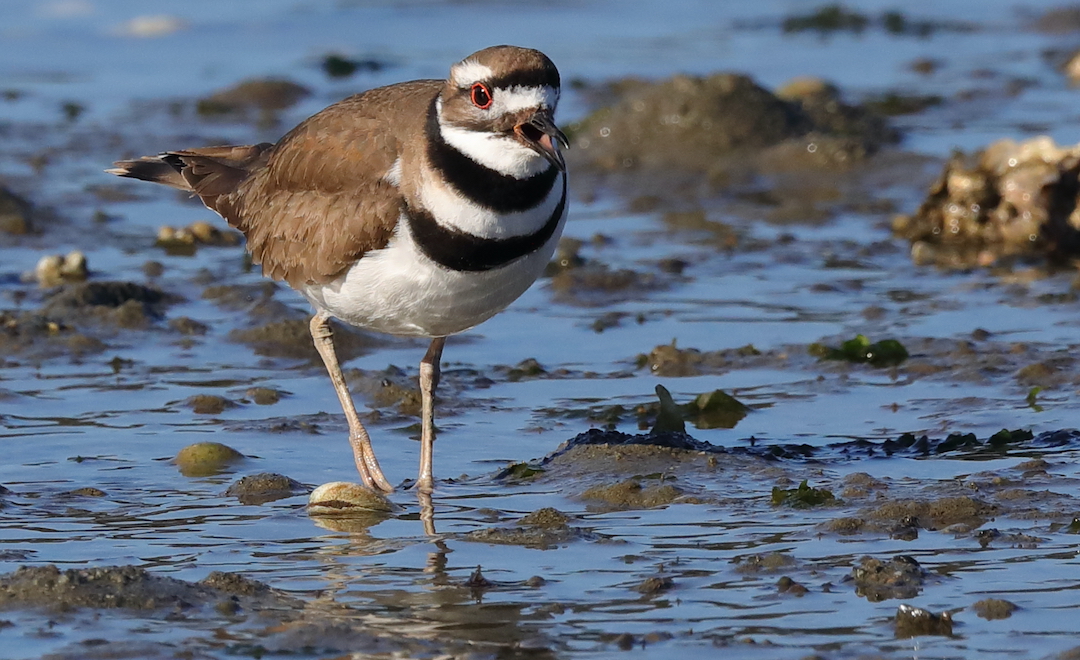
killdeer
Killdeers are large plovers that can be found along the shoreline during their nonbreeding periods. They nest on the ground, primarily in short vegetation, their nest consisting of a scrape with 4 to 6 eggs. They are actually proficient swimmers. These birds are famous for their broken wing display that is used to lure predators away from their young and nest. They feed primarily on insects but will also eat worms and seeds.

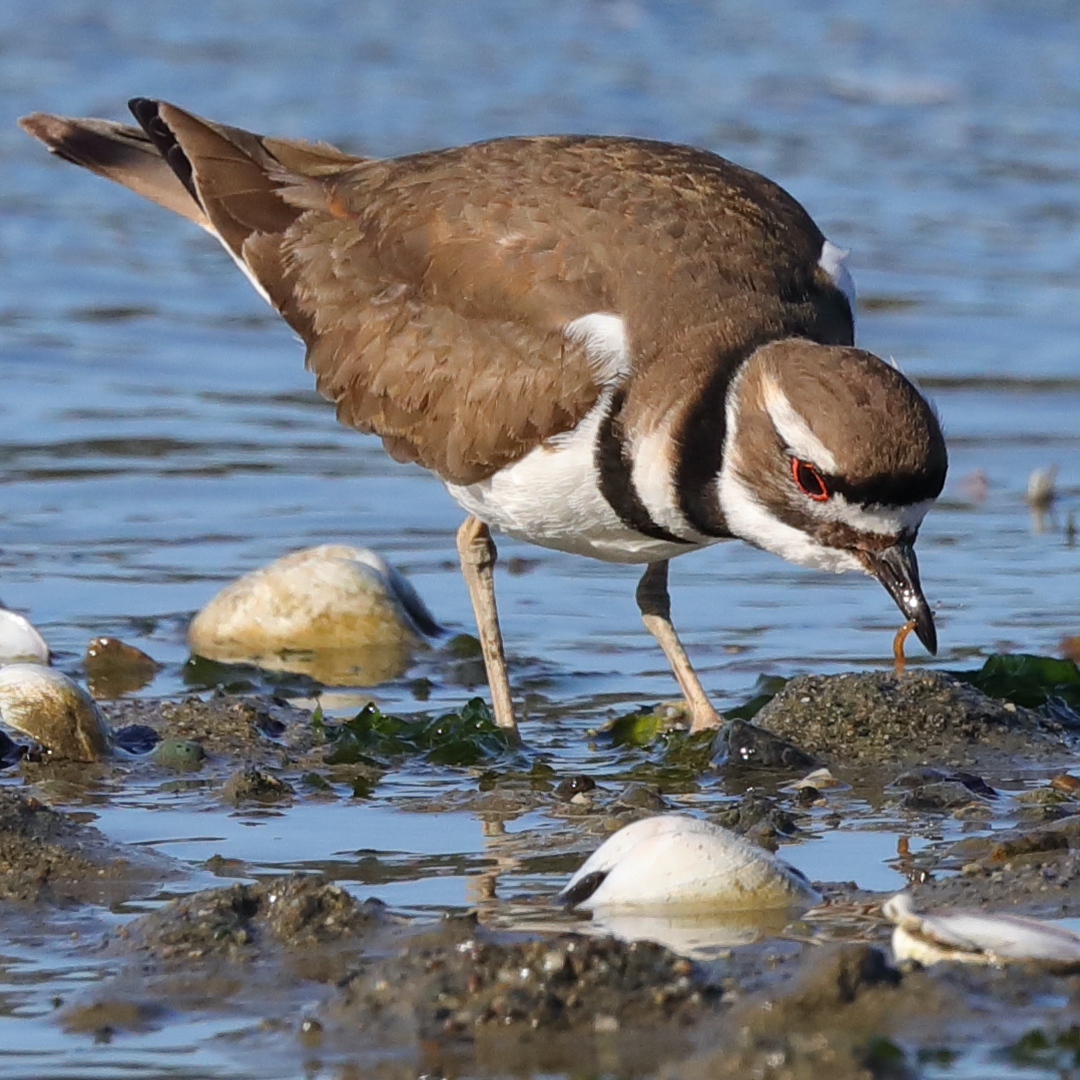
See more about this bird: Killdeer Overview, All About Birds, Cornell Lab of Ornithology
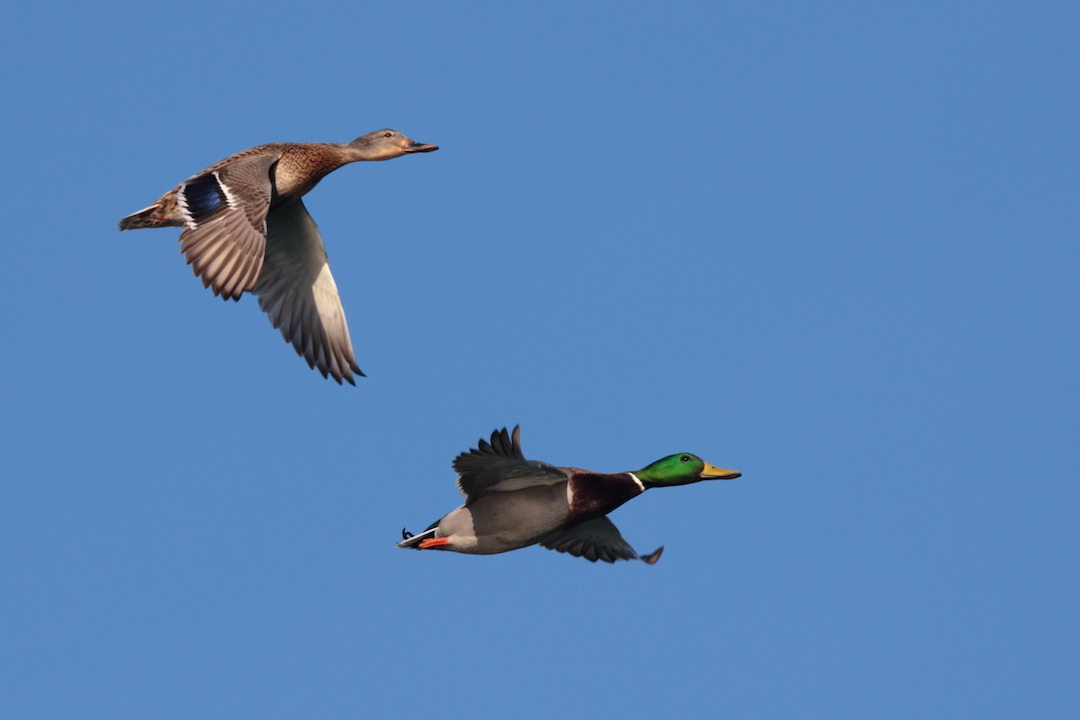
mallards
These photos show male and female mallard ducks flying and feeding. Mallards belong to a group of ducks known as dabbling ducks. These ducks mainly feed at the surface. Male mallards don’t quack, they make a rasping sound. They are also the ancestor of most domestic ducks excluding Muscovy ducks.
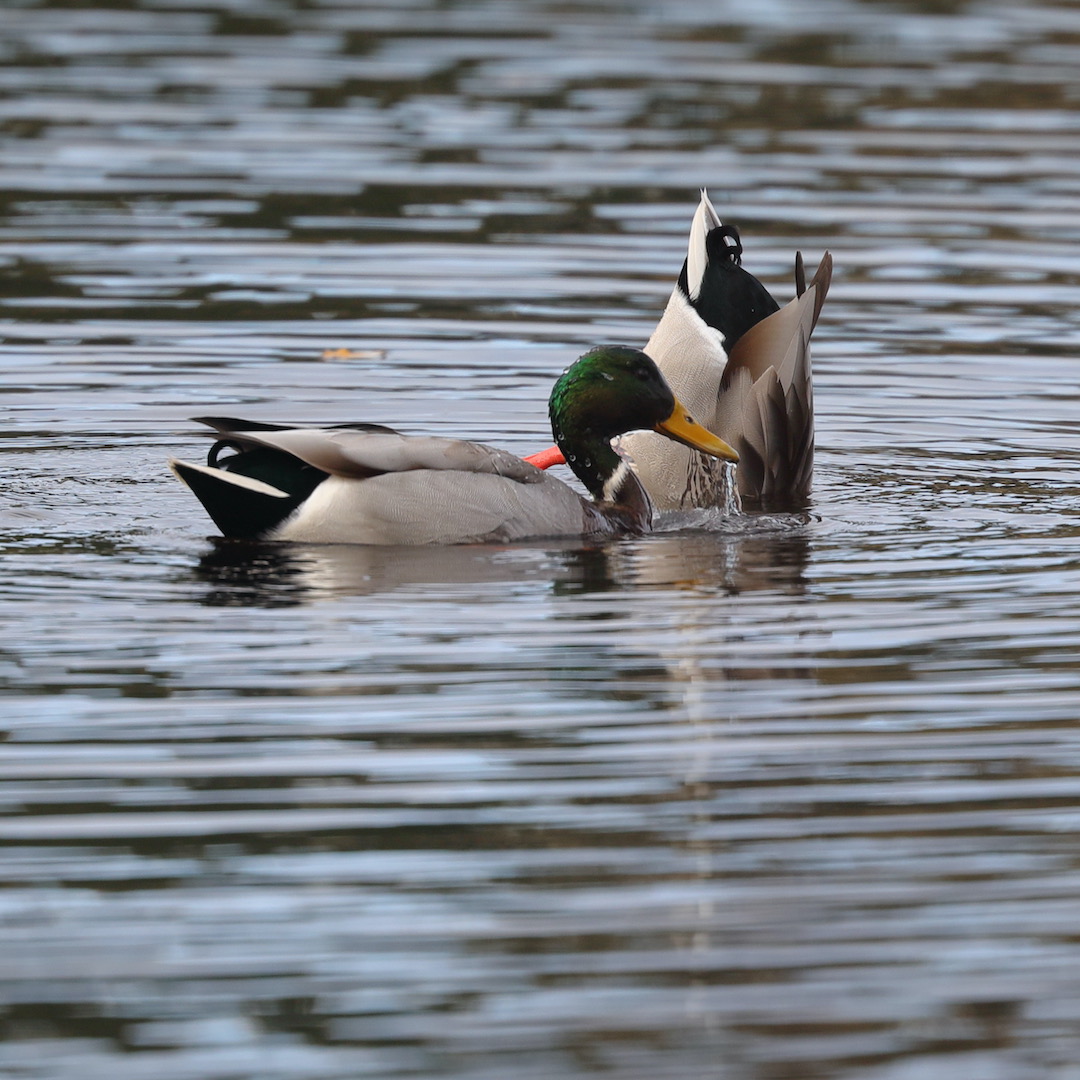
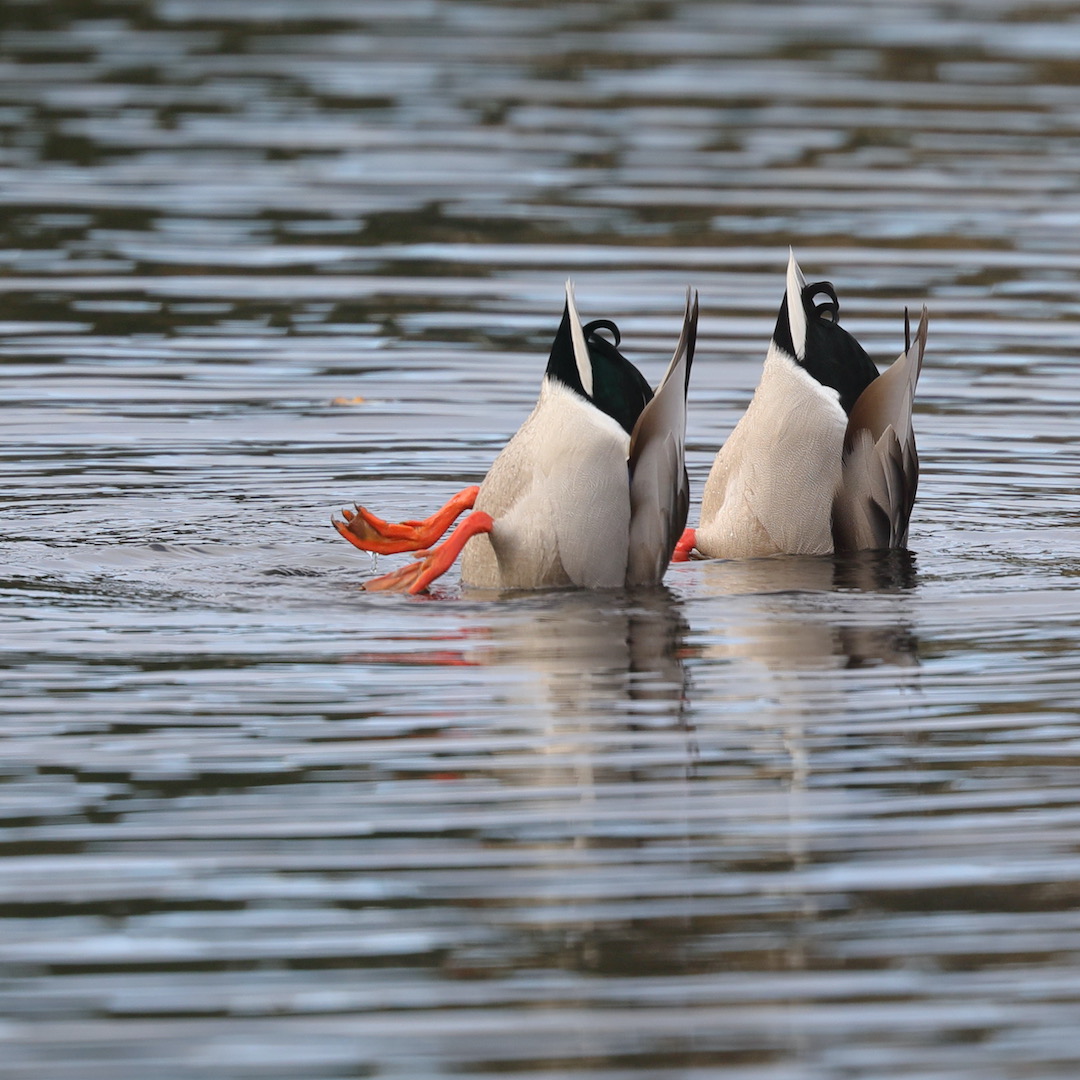
See more about mallards at: Mallard Overview, All About Birds, Cornell Lab of Ornithology

red-breasted merganser
Red-breasted mergansers are fish eating ducks. They are diving ducks that pursue their prey under water, catching it in their bills and bringing it to the surface to eat. These ducks are easy to identify because of their serrated bills. The red-breasted merganser, unlike the common and hooded mergansers, nests on the ground and not in tree cavities.
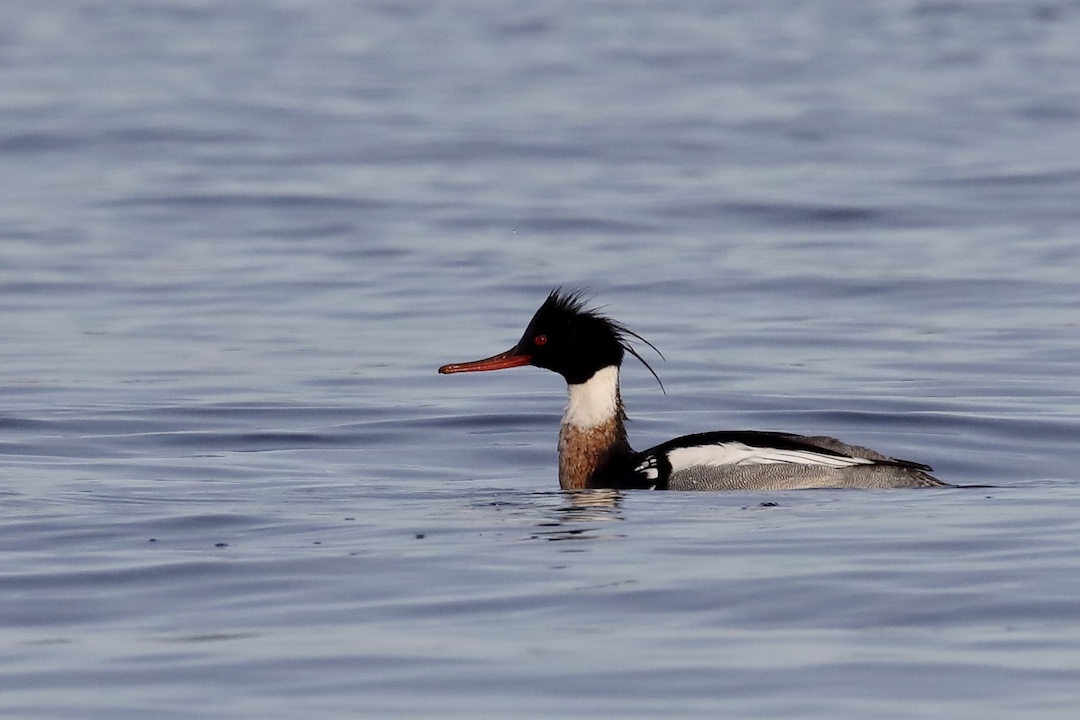
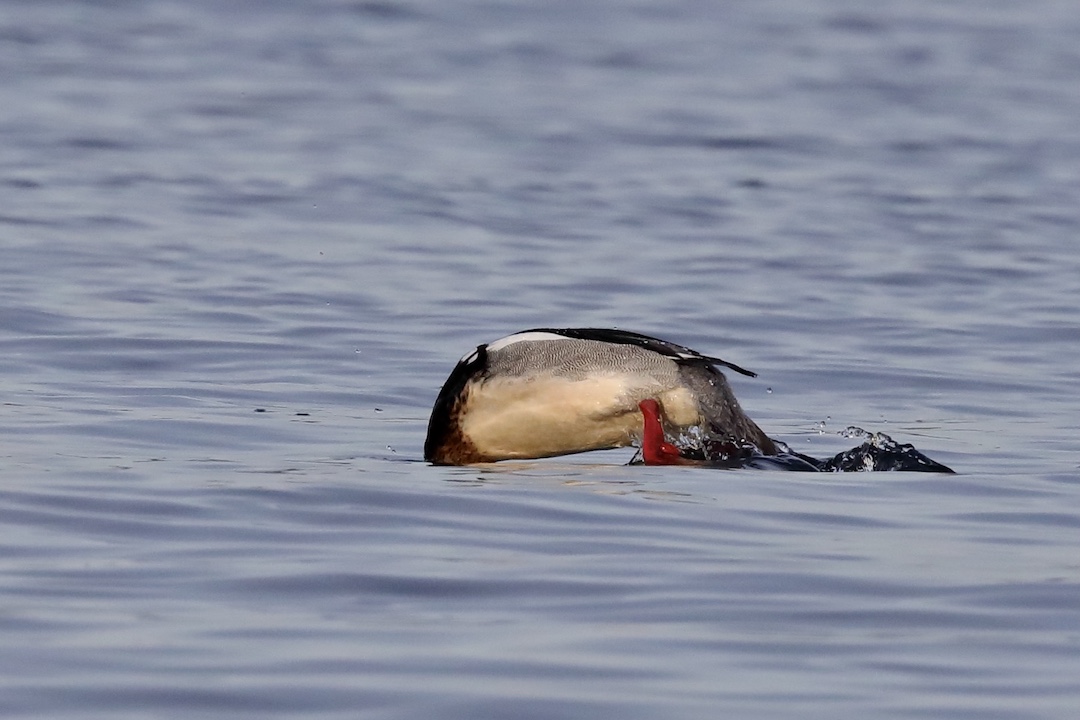
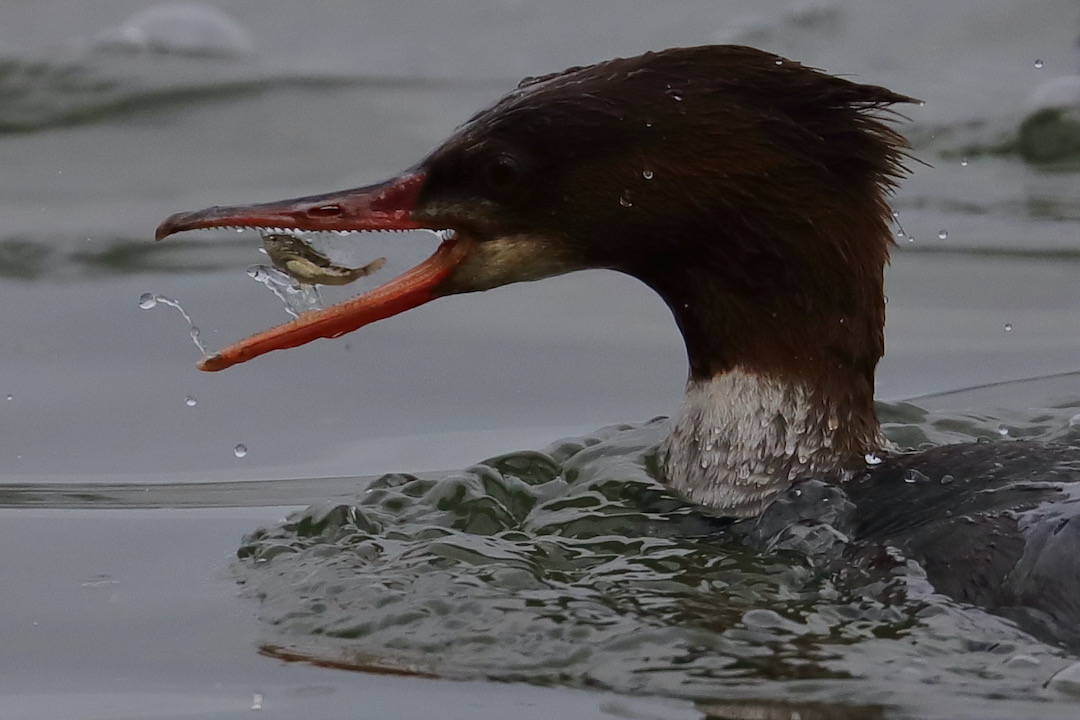
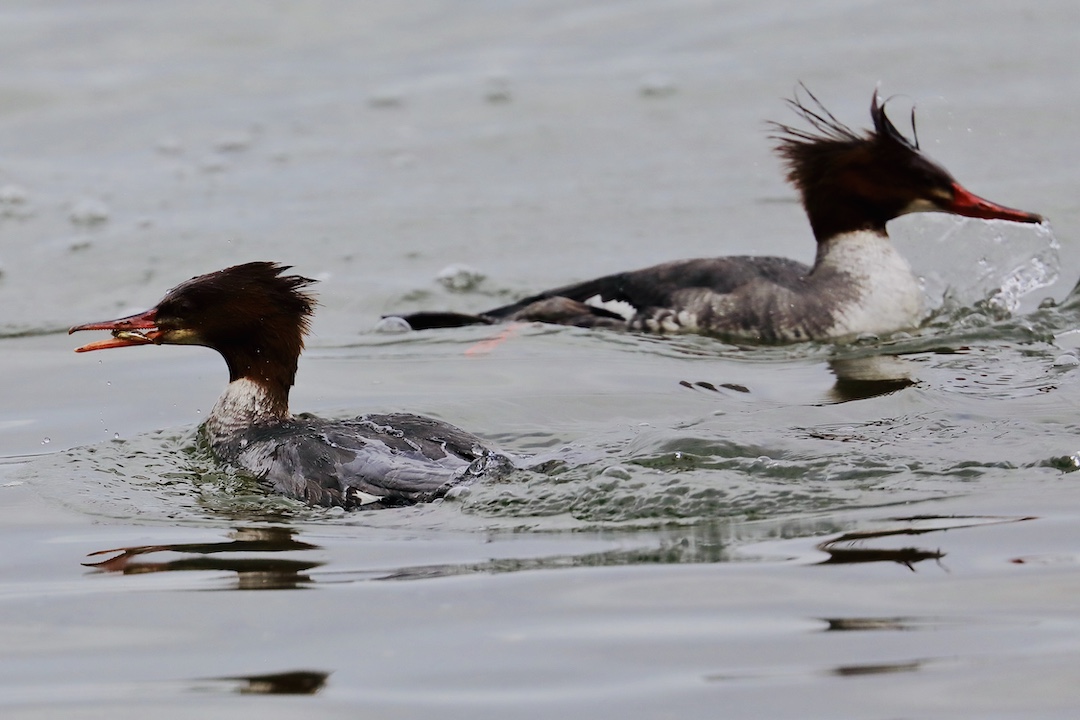
See more about this bird at: Red-breasted Merganser Overview, All About Birds, Cornell Lab of Ornithology
osprey
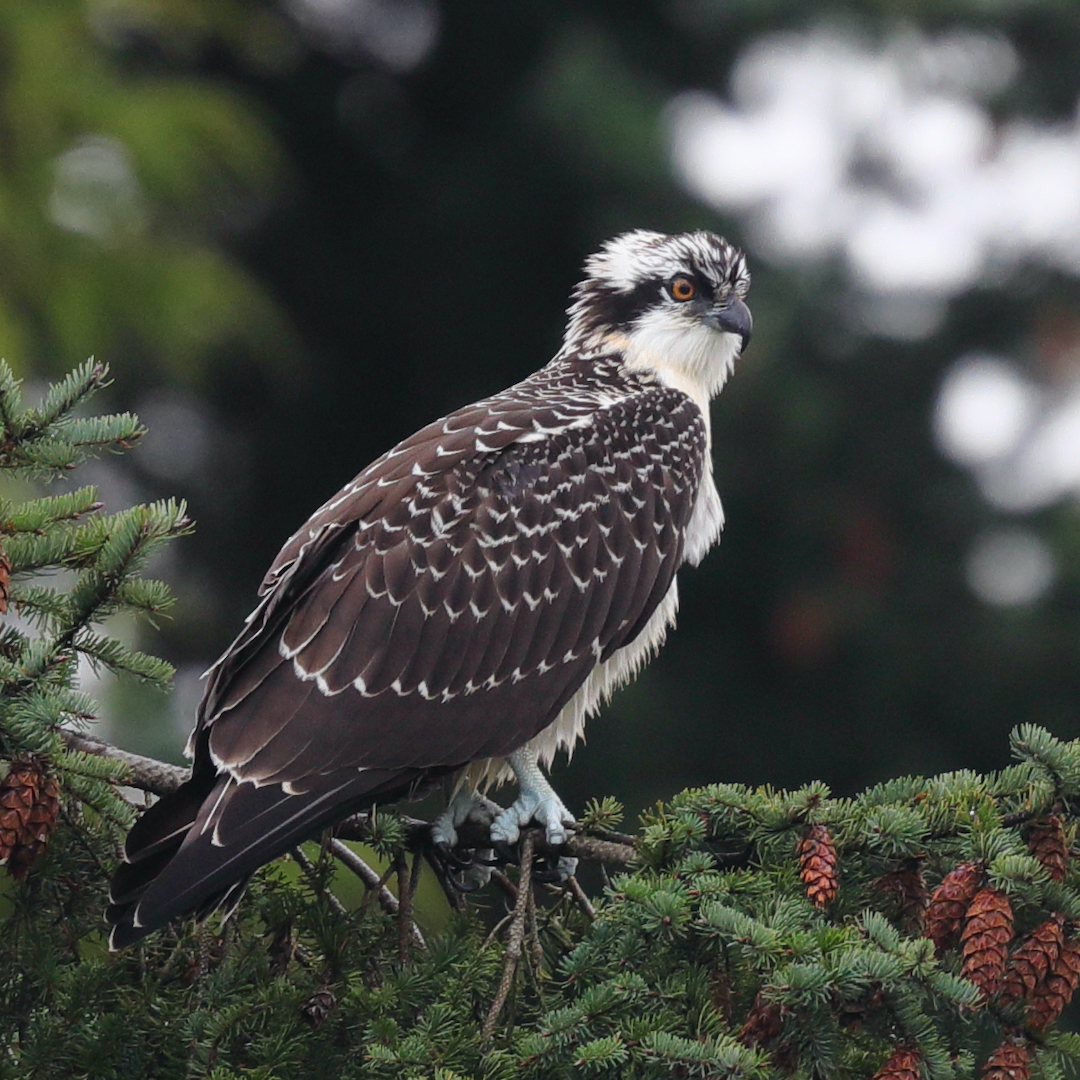
The osprey is a large, mostly white raptor with dark brown plumage along its upper back and wings. These birds can often be seen flying over the shoreline of lakes, rivers and bays. They are adept hunters, diving out of the sky directly into the water with their talons extended, catching fish just below the surface and flying off with a fish clutched in their talons. You can find their nests on top of channel markers, utility poles, or tall snags (dead trees).
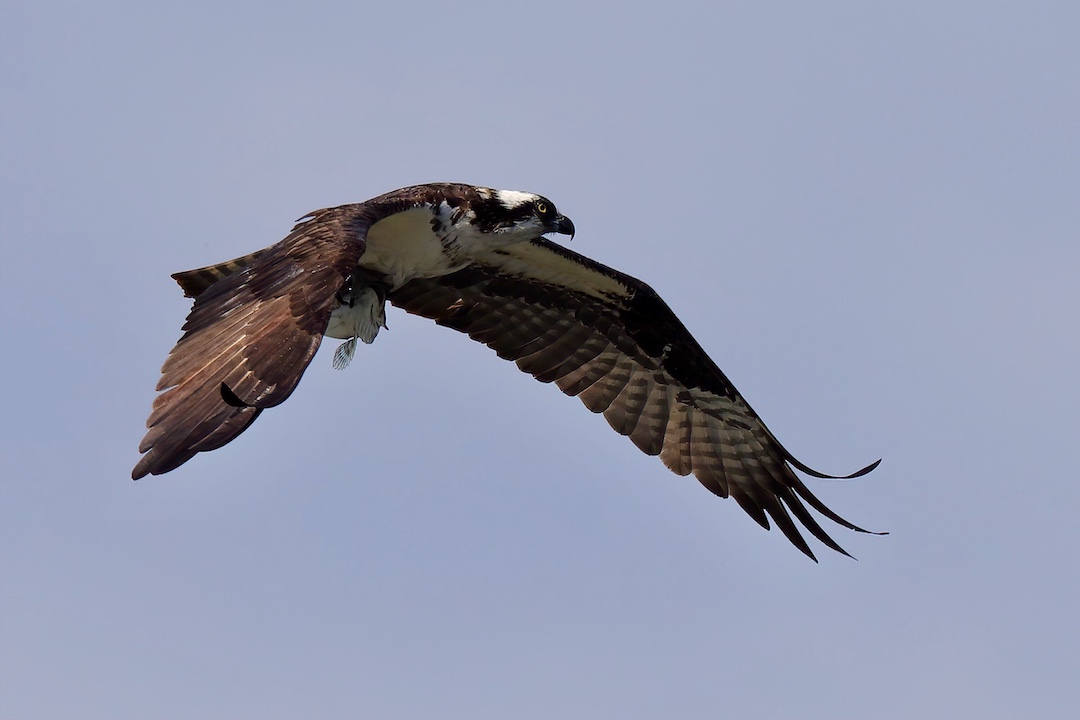
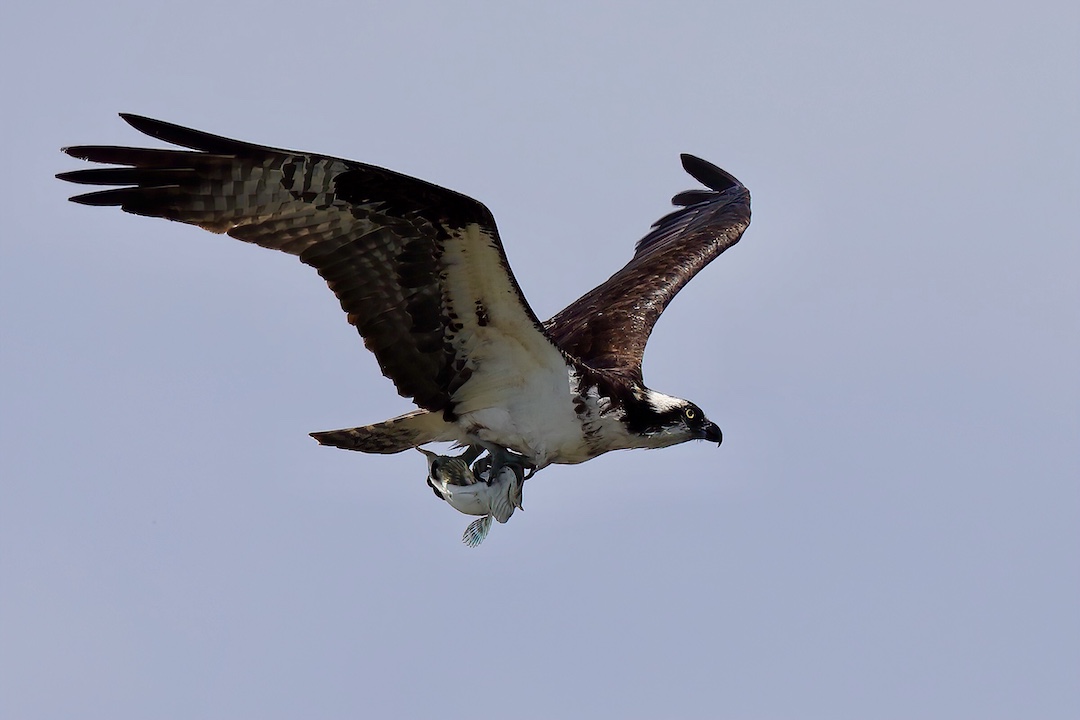
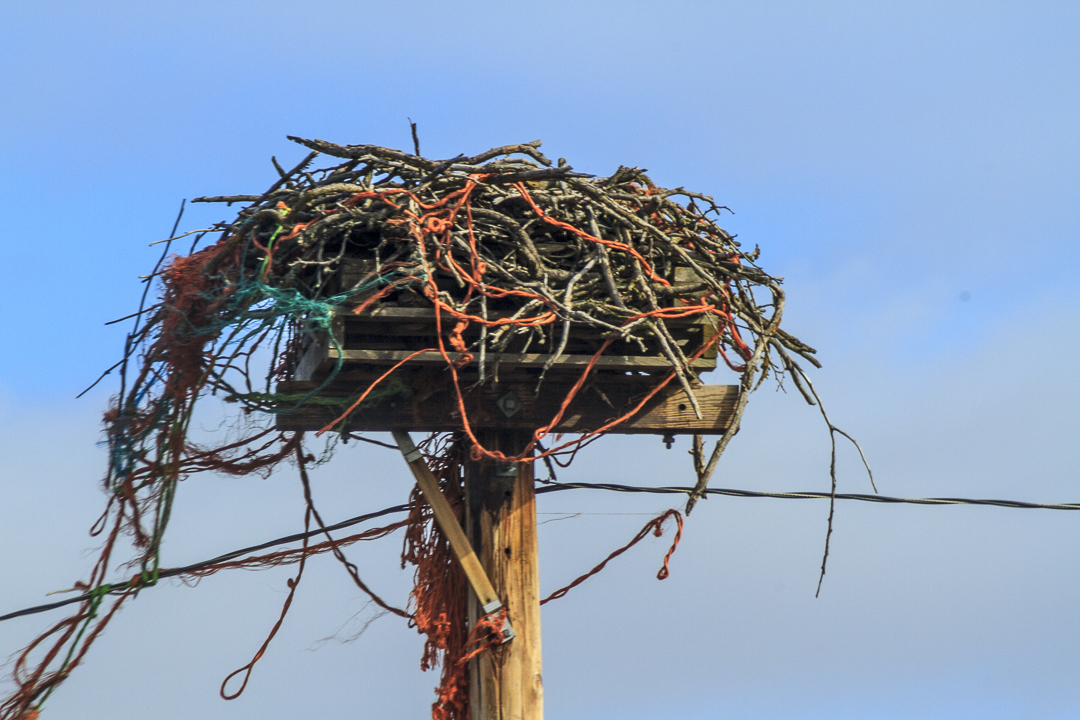
photo by Thomas Noland
See more about this bird at: Osprey Overview, All About Birds, Cornell Lab of Ornithology
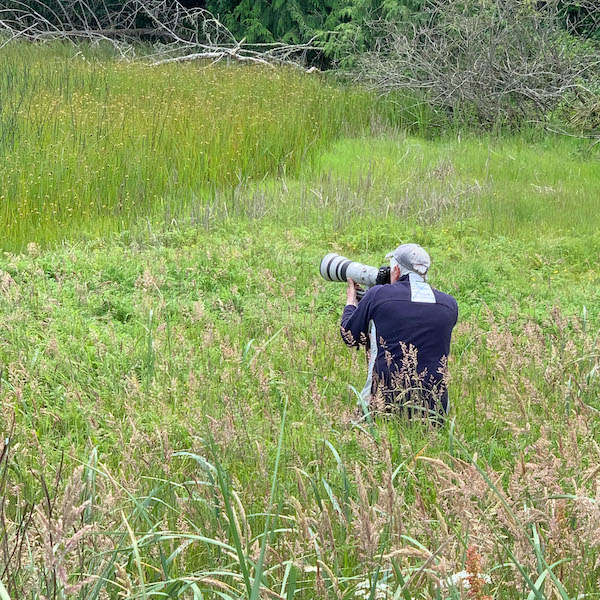
Michael F. Adams is fortunate to have lived his life near, in, or on the waters of Puget Sound and Hood Canal where he finds the intertidal and nearshore environments irresistible. Trained as an engineer and educator, he’s taught science, served as a marine consultant and policy adviser to governments and is most proud of the family shellfish farm he built and operated with his wife Mary. When able, Michael takes great joy in observing and occasionally photographing local wildlife.
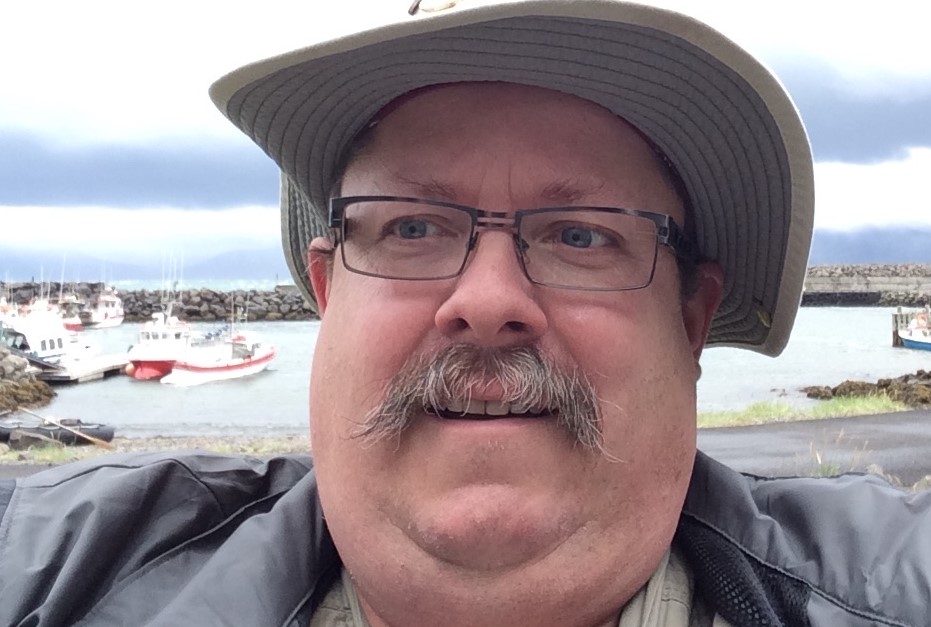
Thomas Noland is a naturalist and photographer living in Everett. In addition to his interests in birds, he is a dedicated entomologist and caretaker of numerous rescued cats.
Table of Contents, Issue #14, Winter 2021

Nearshore Regulars
Artwork by Karen Hackenberg Photos by Michael F. Adamsblack oystercatcher photo by Michael AdamsArtwork by Karen Hackenberg Photos by Michael F. Adamsfrutti di mare My original, hand-drawn, lithograph prints of the Frutti di Mare Suite, titled Calamari and Baby...

Haiku-14
by Drea Dangerton, Winter 2021 photos by John F. Williams except as notedby Drea Dangerton, Autumn 2021 photos by John F. Williams except as notedToday I awokeAsking what adventure isIn store for this day.. Snowy meadow pathsReveal its...

Poetry 14
Winter 2021photo by Thomas Nolandphoto by Thomas NolandAutumn 2021 SACRED ONES by Diane Moser Outside my window cedars lift their needled arms salute a damp sky. I inhale their pungent smell of pitch and mold and a thousand showers. They tell ancient stories of...

Berries
by Sara Noland, Winter 2021 Photos by Thomas Noland except where notedphoto by John F. WilliamsBy Sara Noland, Winter 2021 Photos by Thomas Noland except where noteda late afternoon in mid-december Cold rain drizzles down, glazing everything in a silvery sheen. Around...

Let’s Try It
some novel additions By "novel additions" I do not mean that we're adding novels to Salish Magazine, at least not yet — despite the fact that I have come to realize that novels are actually one of the few good ways to convey things as complex as our ecosystems....

Visits Underwater
by Ed Gullekson, Winter 2021By Ed Gullekson, Winter 2021see the salish sea This first video was shot at one of the most popular dive sites in Washington. It is called Cove 2 and is located along the shoreline of West Seattle looking across Elliott Bay at downtown...

Pink Salmon
by John Gussman, Winter 2021By John Gussman, Winter 2021introduction I have spent many years filming the various salmon species on the Olympic peninsula, and this year I managed to get quite a bit of usable pink salmon footage in the Dungeness River. Not wanting to do...

Driftwood Beach Houses
by John F. Williams, Winter 2021 Photos by John F. Williams except where notedBy John F. Williams, Winter 2021 Photos by John F. Williams except where notedintroduction Many beaches around the Salish Sea are decorated with driftwood; some of which is from branches or...
COPYRIGHT
Copyright SEA-Media
All rights reserved. Reproduction or distribution, in whole or in part. without consent of copyright owner is strictly prohibited — except for brief quotations in critical reviews and other noncommercial uses permitted by copyright laws.
SEA-Media is a 501(c)(3) nonprofit corporation
PLEASE HELP SUPPORT
SALISH MAGAZINE
DONATE
Salish Magazine contains no advertising and is free. Your donation is one big way you can help us inspire people with stories about things that they can see outdoors in our Salish Sea region.
We also don't advertise Salish Magazine, so please spread the word of this online resource to your friends and colleagues.
Thanks so much for your interest and your support.