
UNDERTAKERS OF THE FOREST
Boreal Burying Beetles
by Thomas Noland
Winter 2025-26
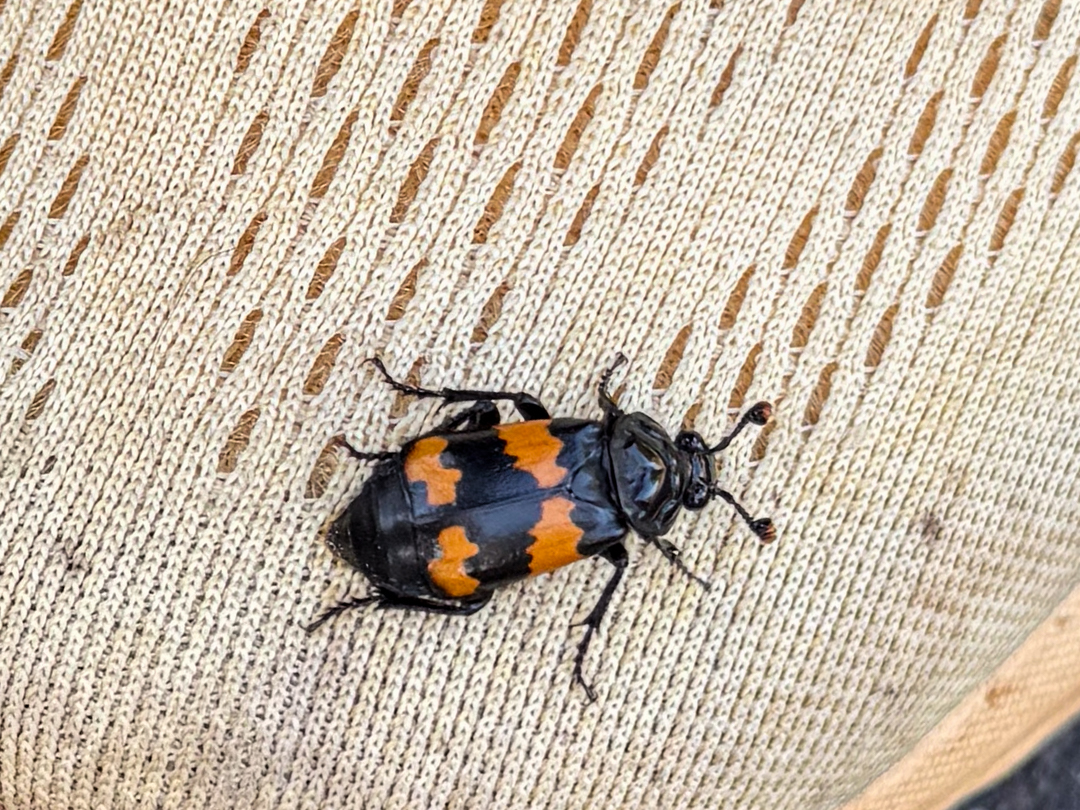
Boreal burying beetle (Nicrophorus defodiens). photo by Thomas Noland
Undertakers of the forest
Boreal Burying Beetlesby Thomas Noland
Winter 2025-26
something rotten, something good
I crawled out of the leaf litter this morning, and my antennae began to twitch. A waft of chemicals released by rotting meat floated in the morning air. Something died nearby last night — and now the competition begins for me and my kind to claim this resource for our children.
Releasing pheromones (airborne chemical signals), I let my mate know there was a new nursery waiting to be set up. She waved her antennae in response, and we trundled together through the leaf litter to where a mouse that lived in the woodpile had died during the night. To deter all the other boreal burying beetles in the neighborhood that were probably also hurrying to this spot, we released another chemical to mask the rotting meat smell.
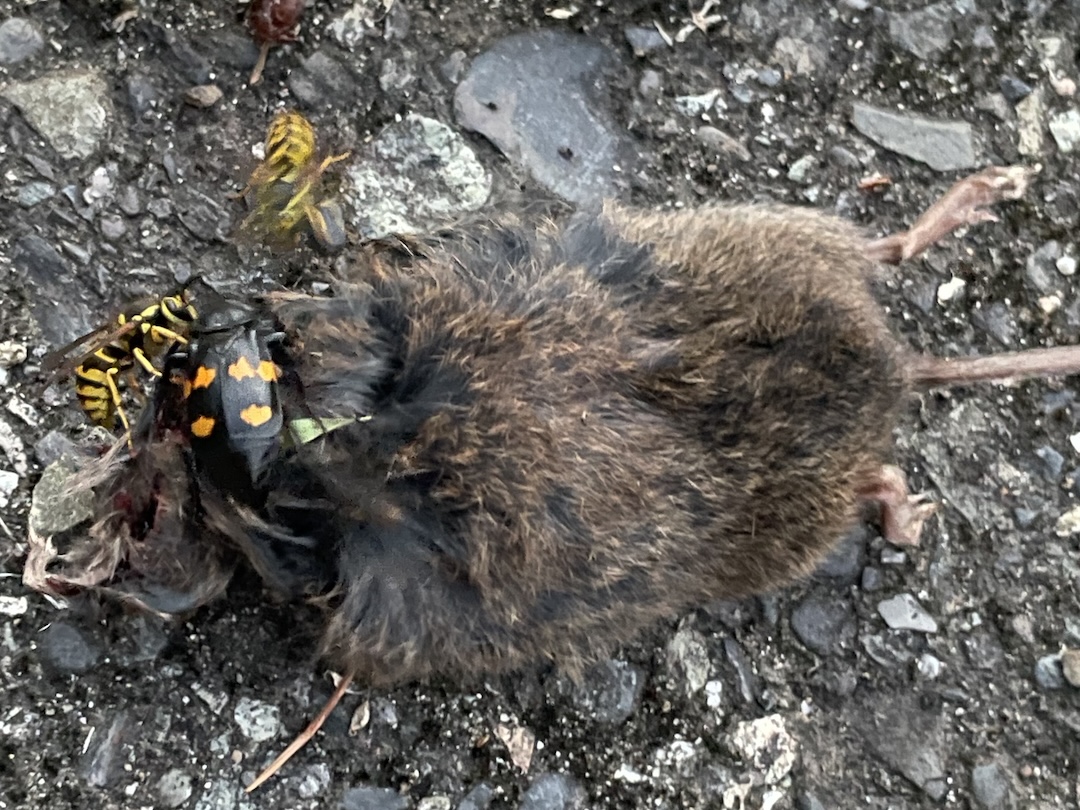
Boreal burying beetle on its found prize. photo by cjslacker CC BY-NC 4.0, some rights reserved.
Fortunately, the chemical deterrent worked this time — otherwise I would have had to fight off other male beetles for this rich resource. Our fights are a sight to behold: we males stand on our heads to display our size and dexterity; if this doesn’t work, we attack our opponent’s legs or antennae using our mandibles (the beetle equivalent of jaws and teeth).
Now my mate and I settled down to prepare the burial brood ball. First, we stripped the mouse’s fur and rolled it into a ball, covering the mouse in our own secretions to prevent the mouse from decomposing too quickly so our larvae would have something to eat. Then my mate deposited her eggs in the soil nearby while I excavated small cups in the mouse carcass. After several days, the eggs hatched and the larvae crawled up onto the carcass into these feeding cups where they could safely eat and grow.
parents and guardians
As new parents, we boreal burying beetles are quite involved in the care of our young. We protect them and even regurgitate food (partially decomposed flesh) into their mouths like tiny birds. This rich diet allows the larvae to grow very fast.
Another unique advantage our species has is that we carry around extra guardians for our brood. Golden mites hitchhike on our bodies. The mites prey on fly eggs and larvae and this slows down the decomposition of our brood ball, ensuring our larvae continue to have a food source. This is a mutualistic relationship — we help the mites travel to a food source, and they help us keep the flies at bay.
After intensive feeding, our larvae molt one last time and leave the brood ball. Crawling off into the soil, they dig their own little burrows where they form a hard outer covering and rest as pupae over the winter. In the spring they will emerge from their pupae as adults, ready to continue growing and eventually find mates of their own to start the next generation.
from death to green life
My species is a nutrient recycling superstar. By burying the carcasses of dead animals, we ensure the nutrients from their bodies mix into the soil instead of washing away in the rain. Our brood balls are nutrient-rich hot spots. The secretions from our bodies and decomposition of the brood ball release phosphorus, carbon, and nitrogen, which help plants grow.
Next time you walk through a forest, give a thought to the boreal burying beetle — helping new green life grow from the dead.
FIND OUT MORE
You can find out more about boreal burying beetles on iNaturalist and other online resources. The following videos provide additional information about burying beetles and other insects that recycle dead animals. (Note: These videos show graphic images of dead and decomposing animals that may not be suitable for everyone.)
This Mite-y Beetle Buries the Dead to Start a Family: 4 1/2 minute video on KQED
Wild Action with Shrew Mole Carcass (California): 12 minute video of Burying Beetle (Nicrophorus)
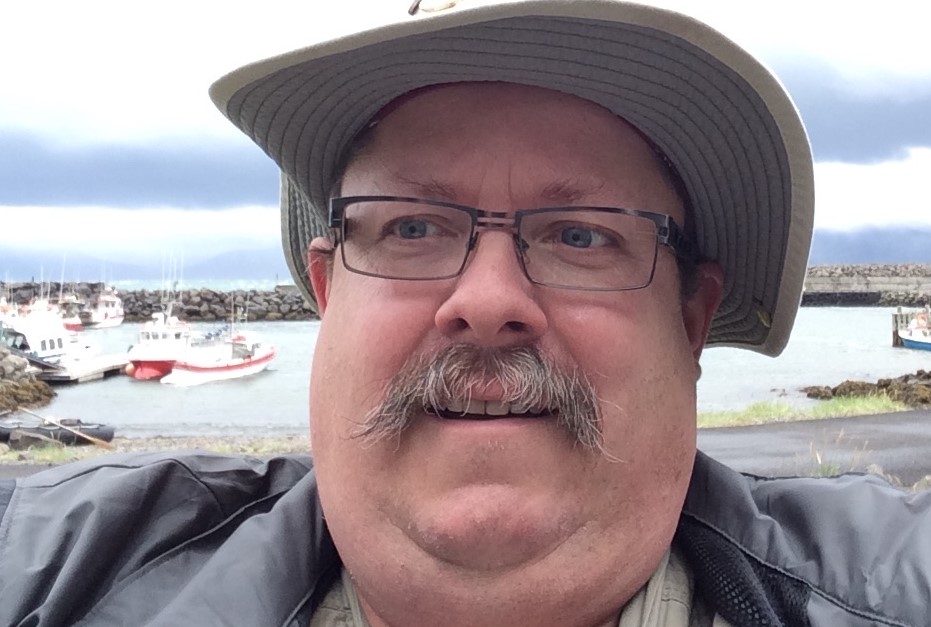
Thomas Noland is a naturalist and photographer living in Everett. In addition to his interests in paleobiology, he is a dedicated entomologist and caretaker of numerous rescued cats.
Issue Page
Table of Contents, Issue #30, Winter 2025-26
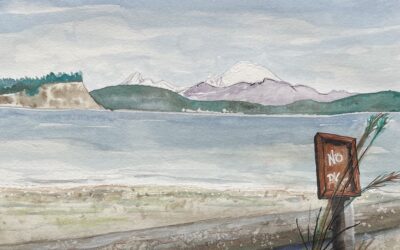
Nature’s Recyclers — Big picture
by Dr. Adelia Ritchie Winter 2025-26View of myriad habitats in which nature recycles, from Norwegian Point, Washington. watercolor by Adelia Ritchie by Dr. Adelia Ritchie Winter 2025-26The Salish Sea, that vast inland waterway stretching between Washington and British...
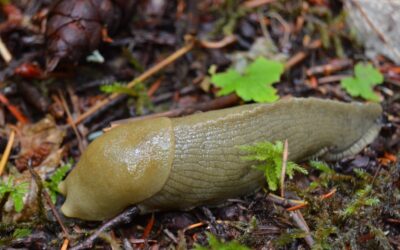
The Slowdown on Slugs
by Sarah Ottino Winter 2025-26A disrupted banana slug has retracted its tentacles. photo by Sarah Ottino by Sarah Ottino Winter 2025-26As the drizzle and mud return, slugs emerge into the open. Moist and damp for much of the year, the Pacific Northwest is a slug...
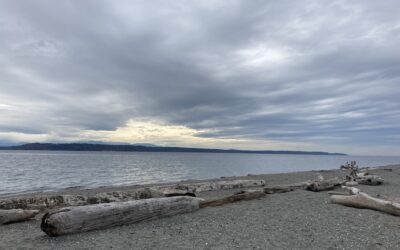
Driftwood and Sand
by Gunnison Langley Winter 2025-26Driftwood logs on a beach. photo by Gunnison Langley by Gunnison Langley Winter 2025-26A stroll on the beach offers plentiful examples of how nature recycles. A late fall morning outing last year on the beach at Seattle’s Carkeek Park...
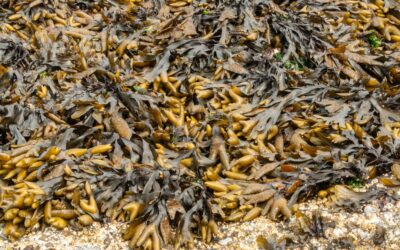
What the Tide Leaves Behind
by Celeste Hankins Winter 2025-26Rockweed at home on rocks on the beach. photo by John F. Williams by Celeste Hankins Winter 2025-26Kayaking through San Juan Islands. photo by Celeste HankinsI first noticed Pacific Rockweed shortly after moving from Lake Chelan in...
Poetry 30
by multiple poets Winter 2025-26Seagulls at the edge of the tide. photo by John F. Williams by multiple poets Winter 2025-26Recycle, a Watercolor by Carl Jensen A she gull lies flattenedthe gray of her barely distinct from sand or sky.Nearby the flock shifts with the...
COPYRIGHT
Copyright SEA-Media
All rights reserved. Reproduction or distribution, in whole or in part. without consent of copyright owner is strictly prohibited — except for brief quotations in critical reviews and other noncommercial uses permitted by copyright laws.
SEA-Media is a 501(c)(3) nonprofit corporation
PLEASE HELP SUPPORT
SALISH MAGAZINE
DONATE
Salish Magazine contains no advertising and is free. Your donation is one big way you can help us inspire people with stories about things that they can see outdoors in our Salish Sea region.
We also don't advertise Salish Magazine, so please spread the word of this online resource to your friends and colleagues.
Thanks so much for your interest and your support.