
Nature walk in berry-land
by Lindsey Davidge and Meilani Lanier-Kamaha’o,
Summer 2025
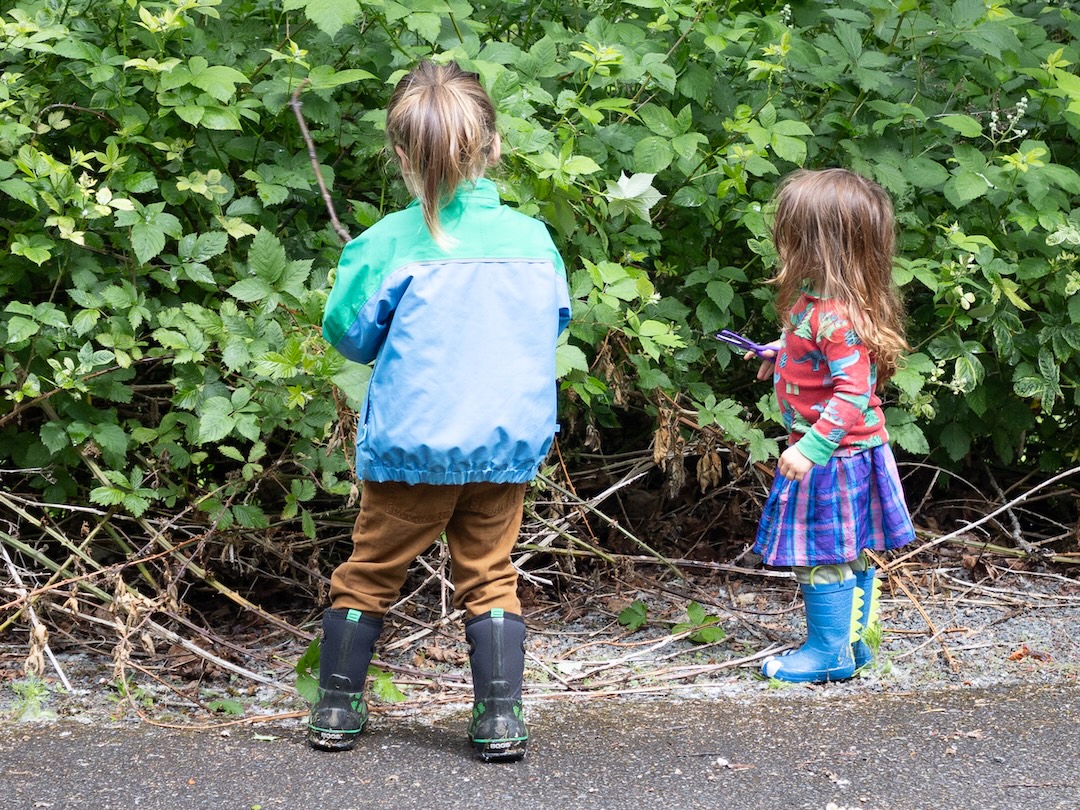
Child (age 6): Did you hear the FROG?
Nature walk in berry-land
by Lindsey Davidge and Meilani Lanier-Kamaha’o
Summer 2025
We document three families plus some classmates at play, focusing on children’s interactions, artwork, and observations of wild and cultivated berry ecology near the Salish coast, in Renton, WA.
We were on a late-spring nature walk, looking for the first berries of the season with our youngest family members and their friends and classmates. While the adults looked ahead for the next fruiting bush, the children looked around — curiously taking in the entirety of our urban berry ecosystem.
The children find a newt hiding amongst last season’s leftover leaves.
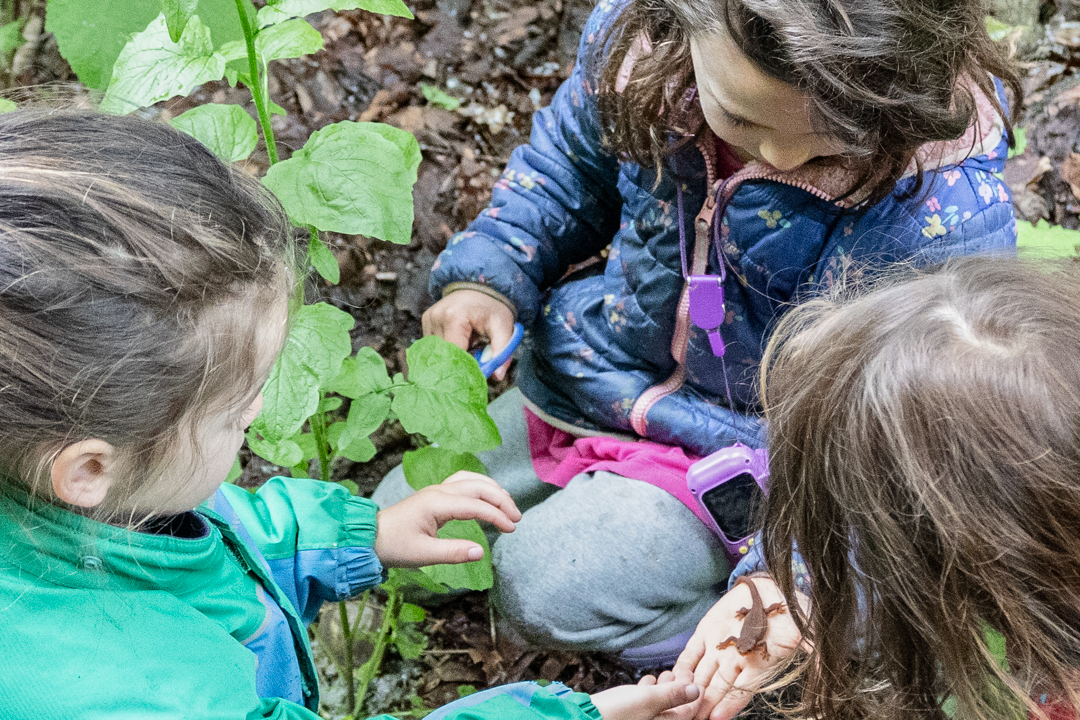
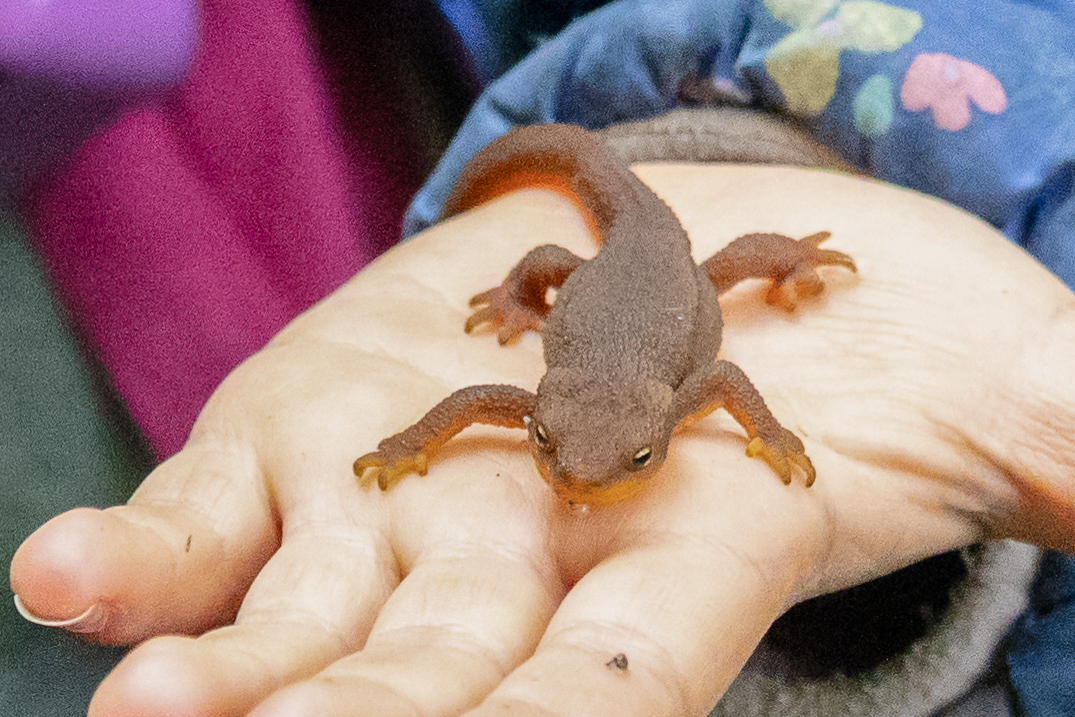
Child (age 4): OH, do you think SALAMANDERS like BERRIES?!?!
Aged two to six, they carried scissors safely, with the closed blades wrapped in their soft hands, proud to show off their new safety prowess to peers and their parents. They joyfully used the scissors to trim leaves, branches, buds, and berries that were gathered in bouquets, carried in backpacks or buckets, and used to make nature art leafy thrones for abducted snails.
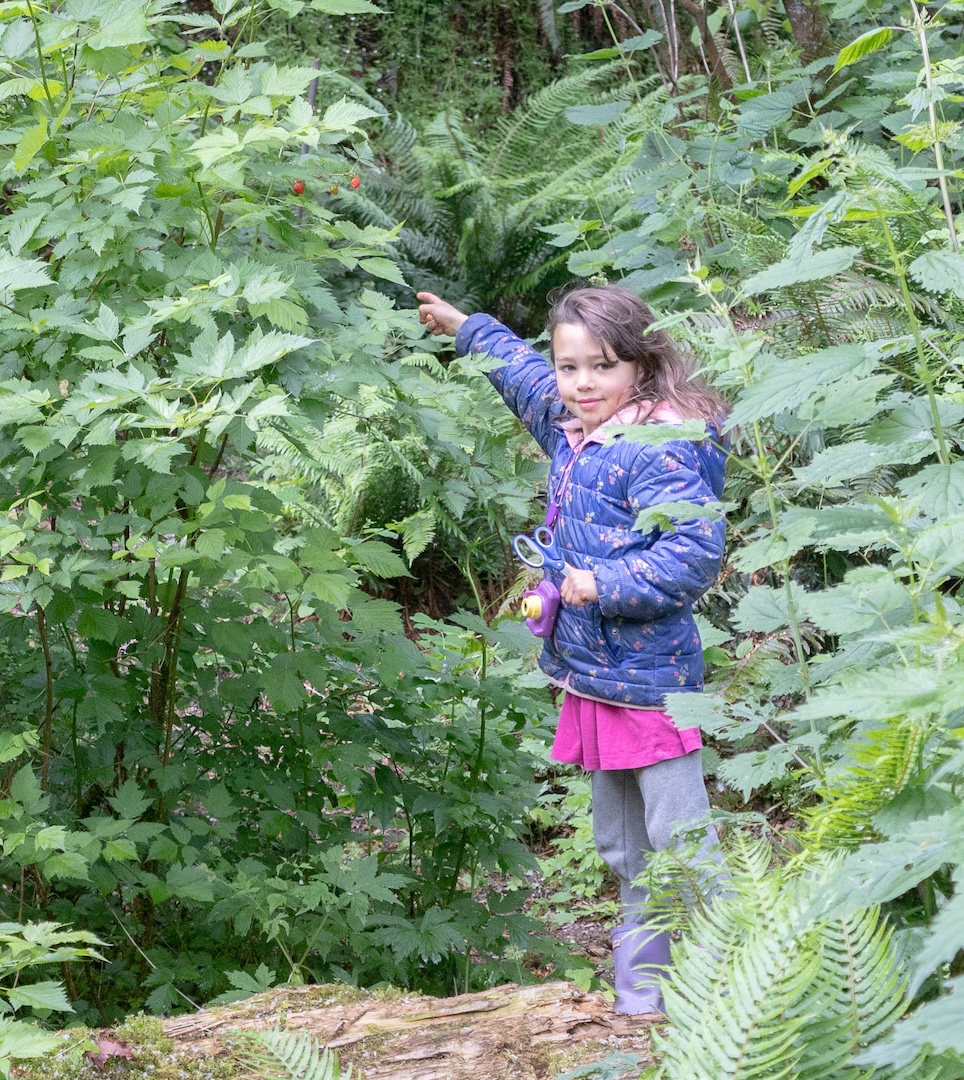
Child (age 6): …Invasive means they grow too much. There are blackberries, like, kind of all over!
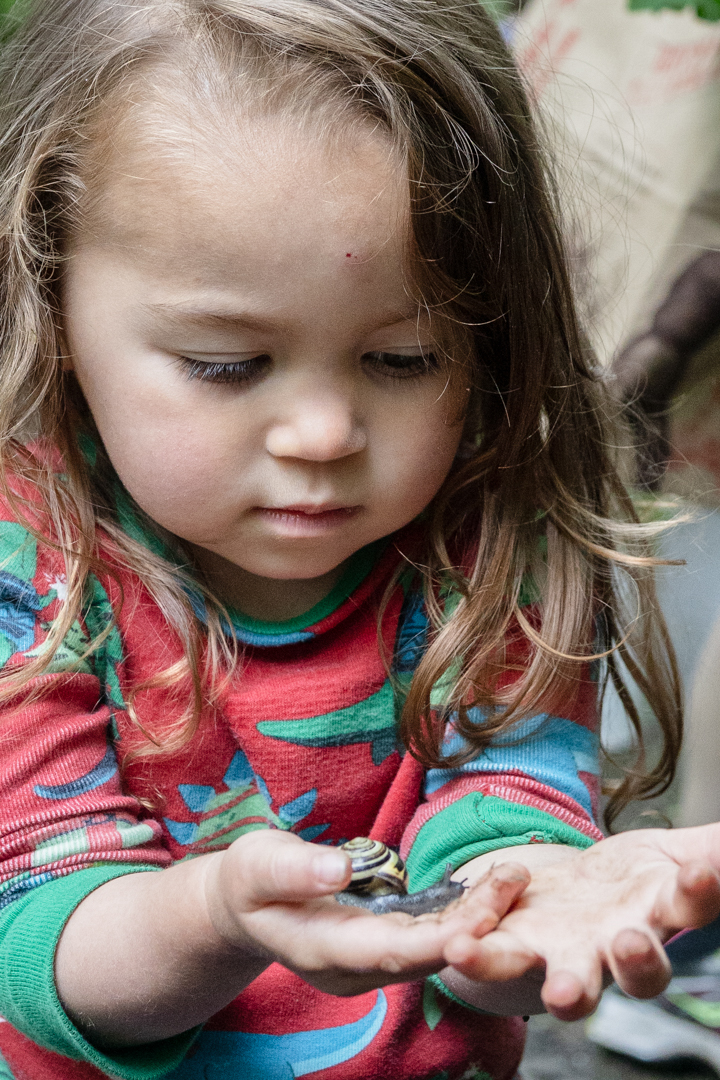
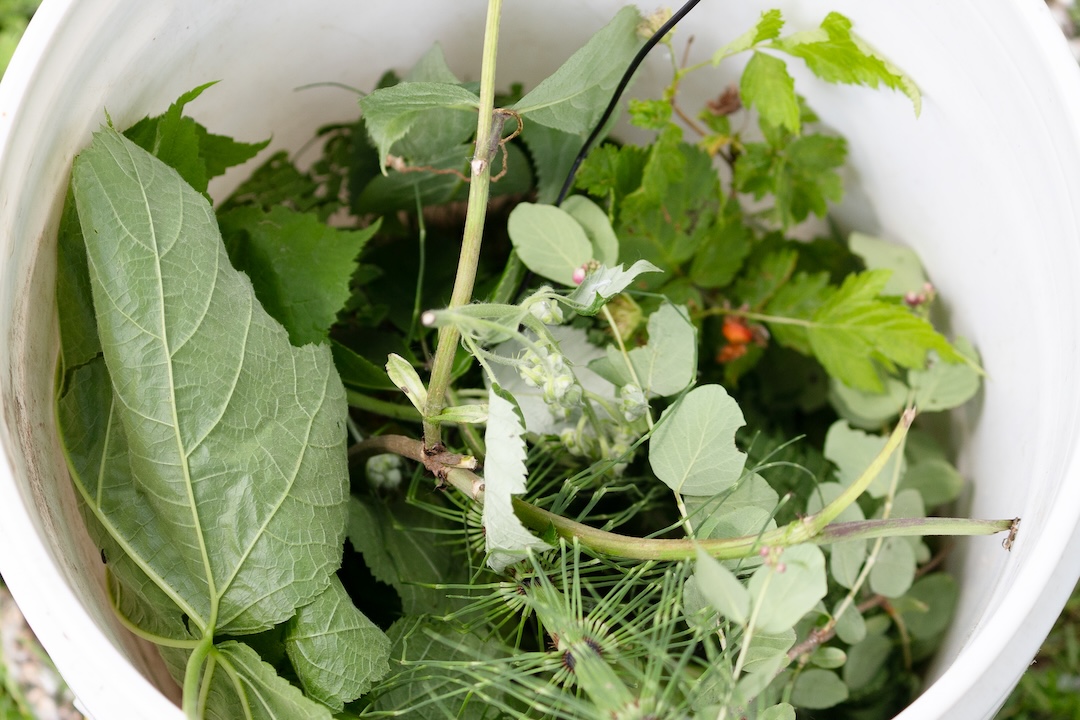
They pick the lichen off of sticks. They stomp in puddles, boots sloshing through the mud and wet socks peeking out from dirty sandals. They suggest that every bird we see or hear might be a junco. Or a crow. Delighted, they collect falling cottonwood fluff and pass tender thimbleberry leaves between their fingers.
Child (age 6): Well, you know it’s a blackberry because it has big thorns. And because the leaves. But sometimes I get blackberries and raspberries mixed up. …raspberries and salmonberries!
Oooof, that would be easy to mix up!
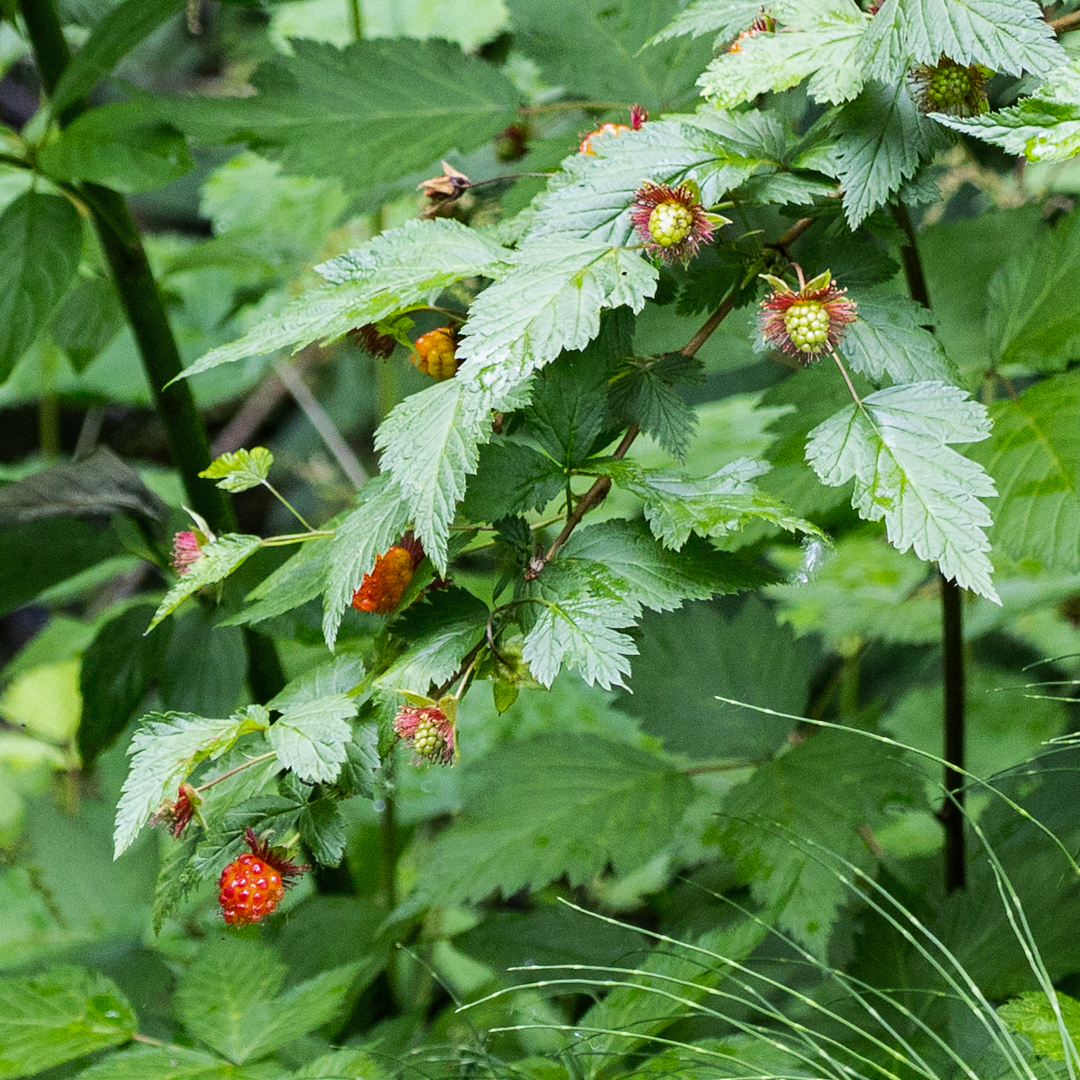
Child (age 6): Raspberries are bigger and more hollow but thimbleberries have the same… like, scaley texture.
Child (age 3): I see berries!
Child (age 2): da HAIR! (referring to a salmon berry)
Child (age 6): I think they could be a type of blueberry…but I think not because I don’t think there are blueberry trees.
They went every which way, excited to explore the soil, leaves, and critters. Equally enthralled by a giant maple leaf (common or even boring to an adult) as they were a salmon berry branch that boasted blossom, bud, and berry (a more rare and lovely reminder of growth and changing seasons).
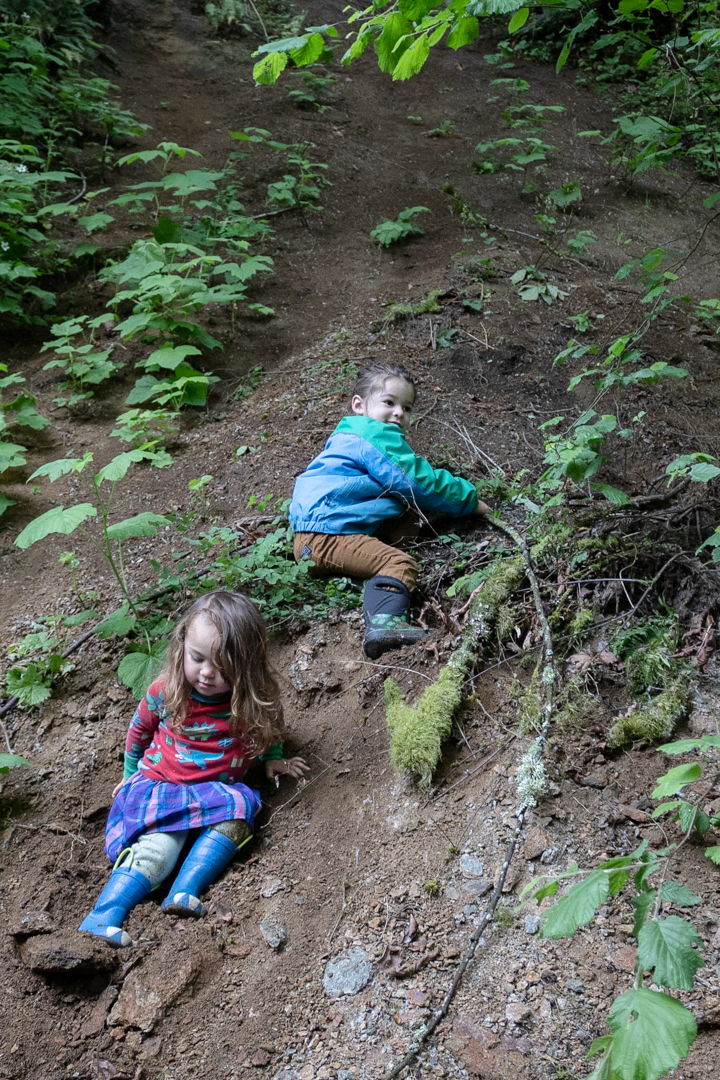
They climbed a small hillside of unconsolidated earth — eagerly anticipating a gravity-enhanced scoot back down to our berry-picking path — and aptly named it the “mud slide”. They ogled at centipedes crawling out of the gabion wall retaining a nearby mudslide.
They casually searched for alpine strawberries, excited by the different colors and not focused on ripeness as the most important factor. They celebrated berries tinier than bumblebees that are often trampled under adult feet.
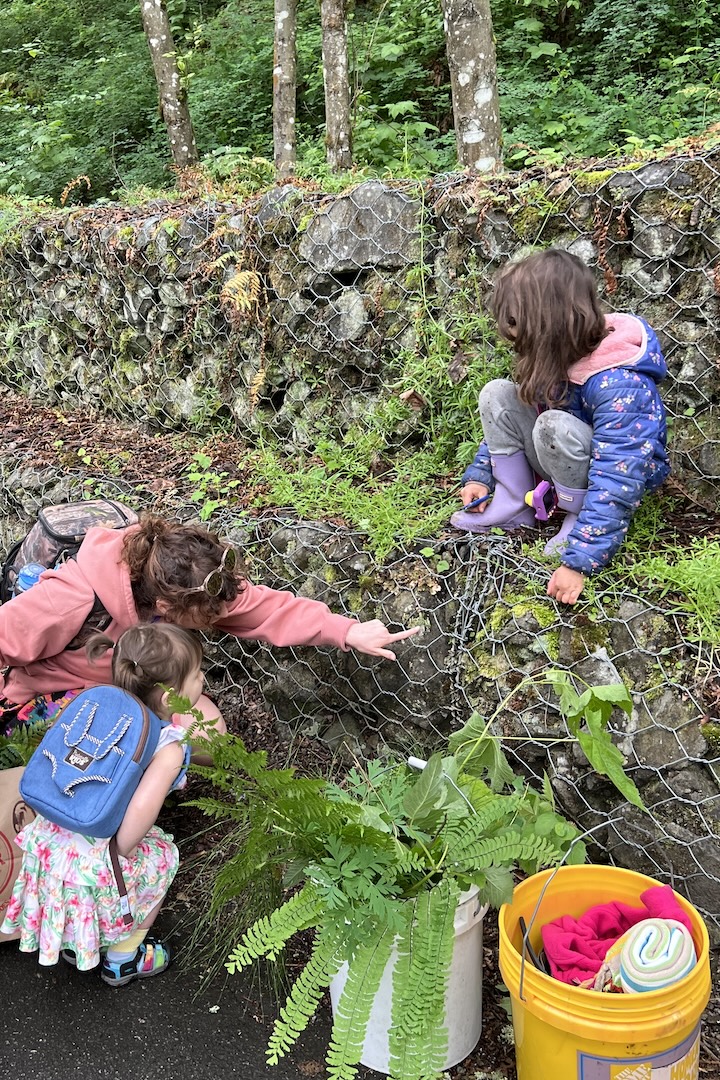
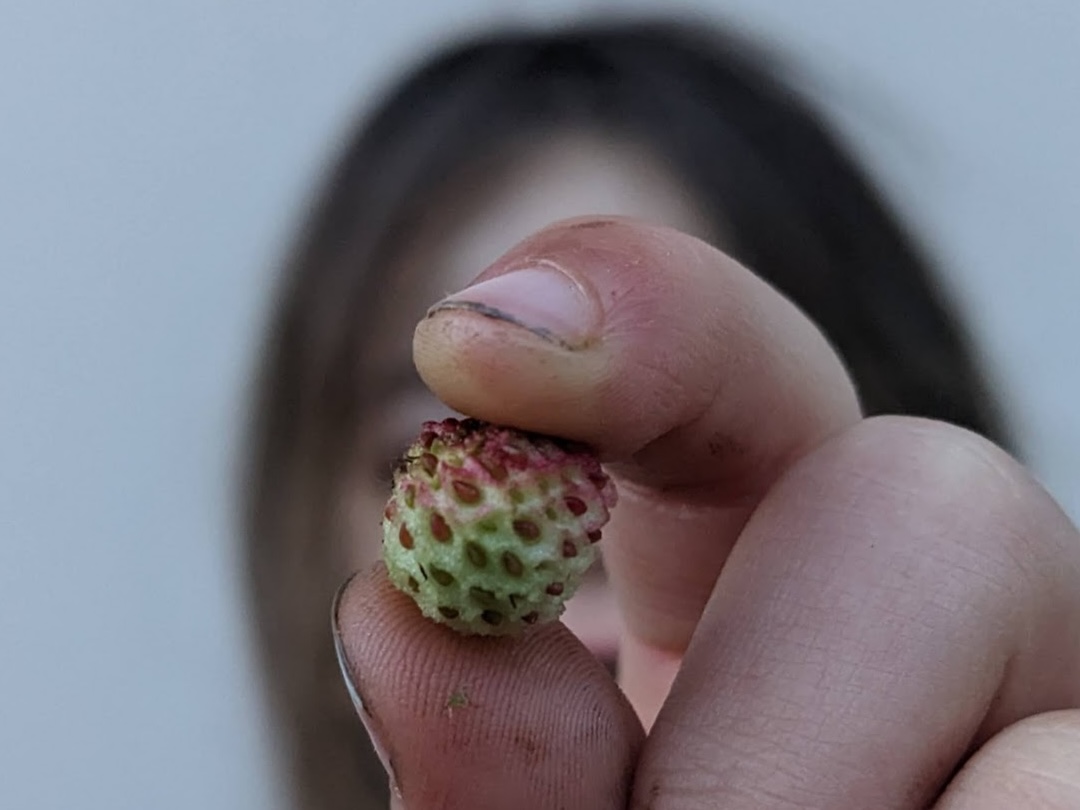
Unsurprisingly, children notice many details that we miss, and they look for connections we have trained ourselves not to see.
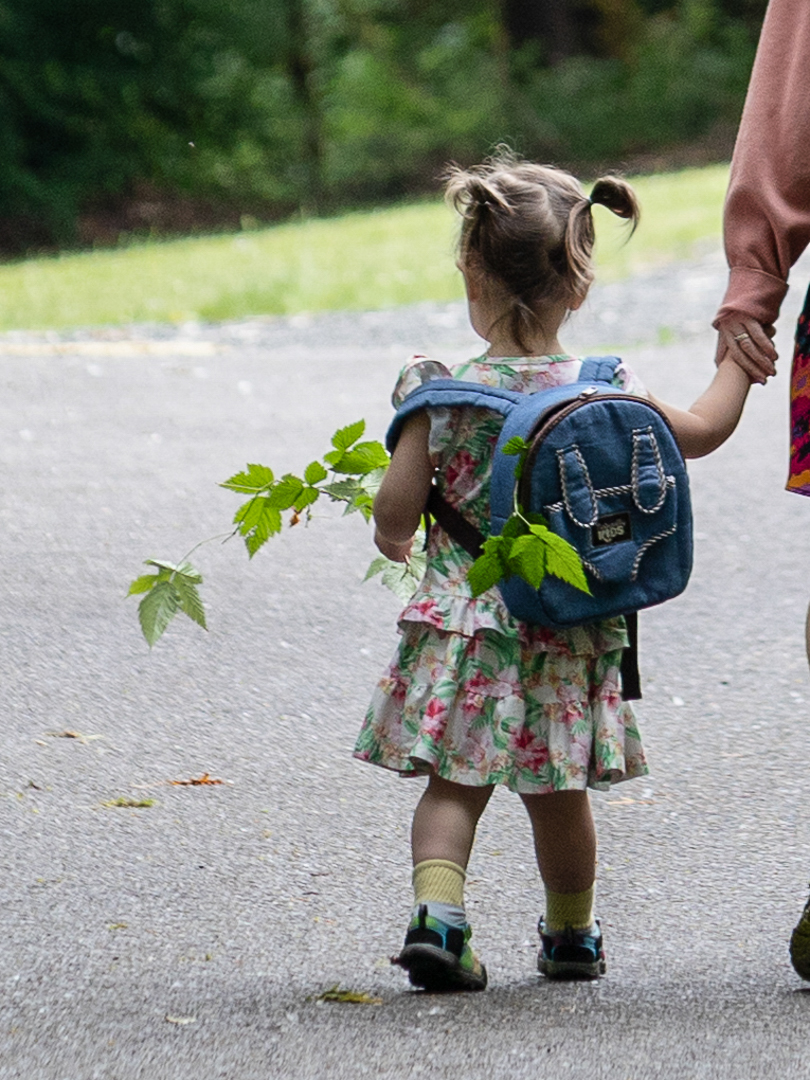
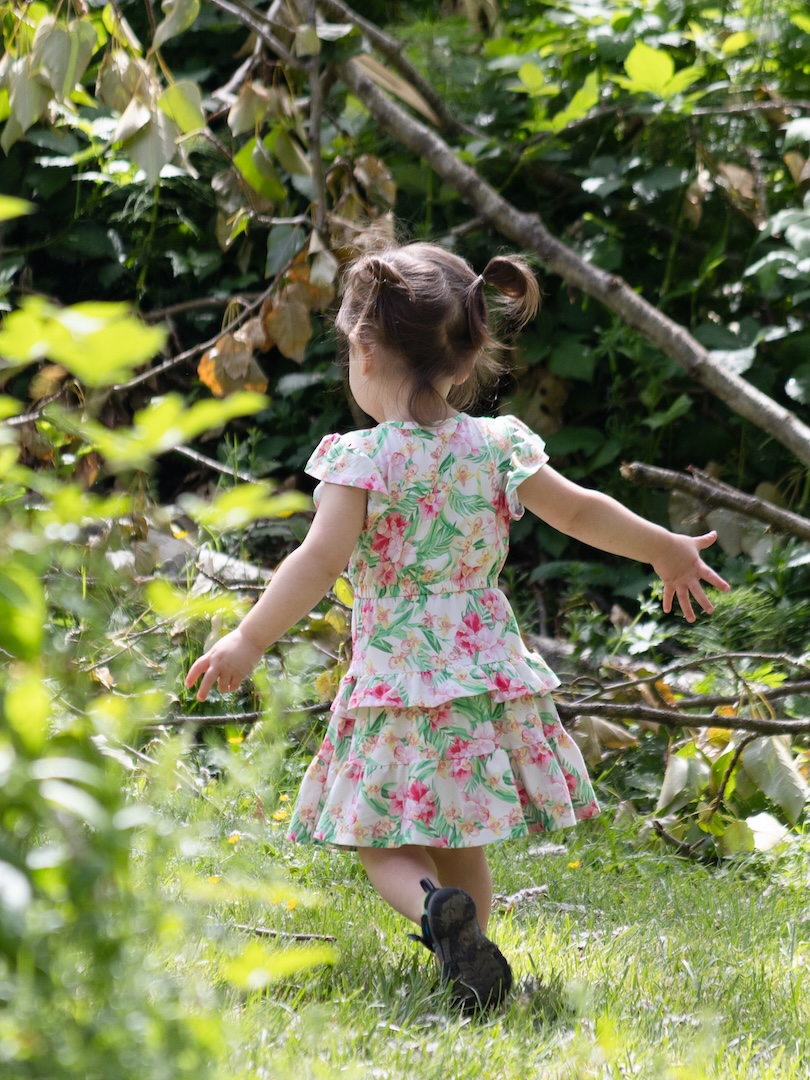
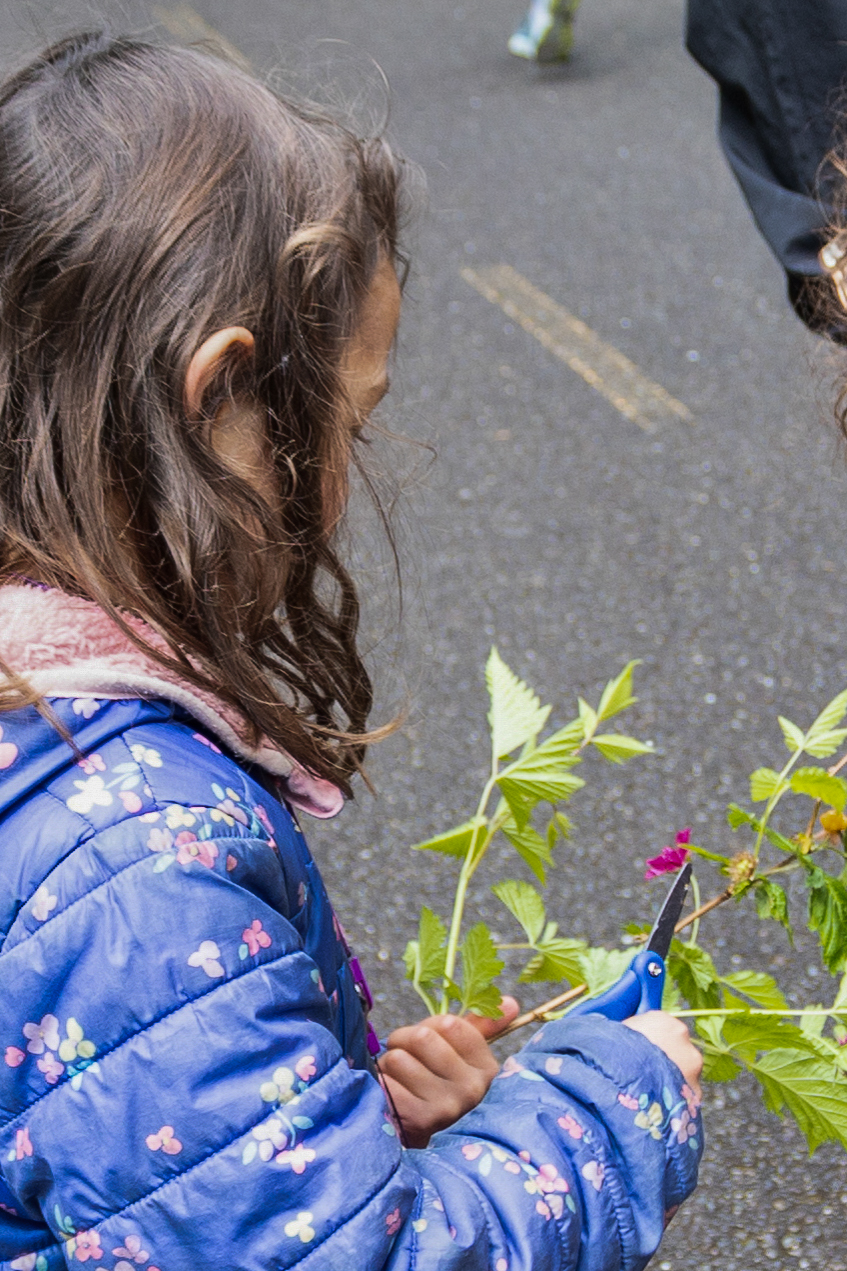
They collect browning maple leaves, Mahonia flowers, and thimbleberries. Snowberries still clinging to last year’s stems with new blossoms just starting to emerge. Grapes and blueberries. Strawberries. Interesting rocks. Handfuls of soil. Salmonberry blossoms and berries. Trash. And, yes, snails — carried for hours by hand and offered all of the most interesting organic debris for the three meals a snail surely eats in rapid succession during the middle of the day.
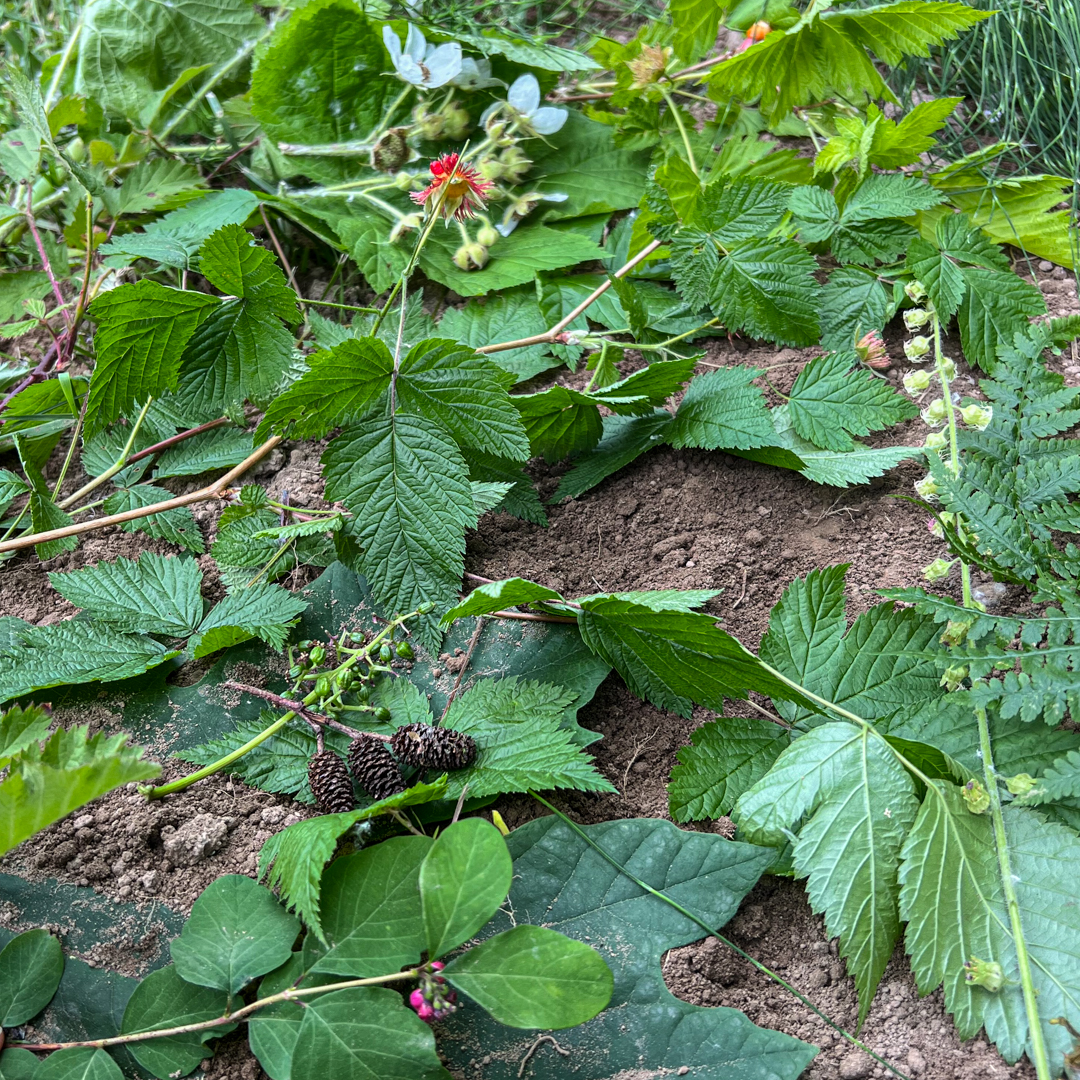
Child (age 6): It barely has thorns!
Child (age 4): I wonder how it got so fuzzy?
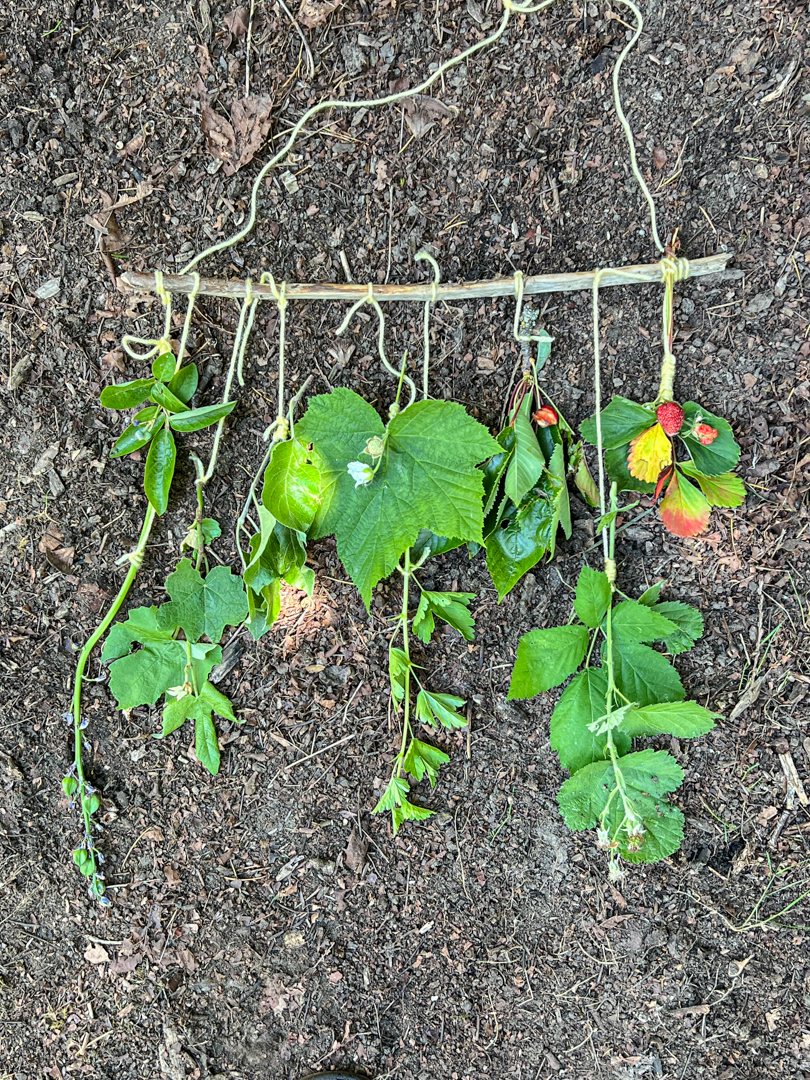
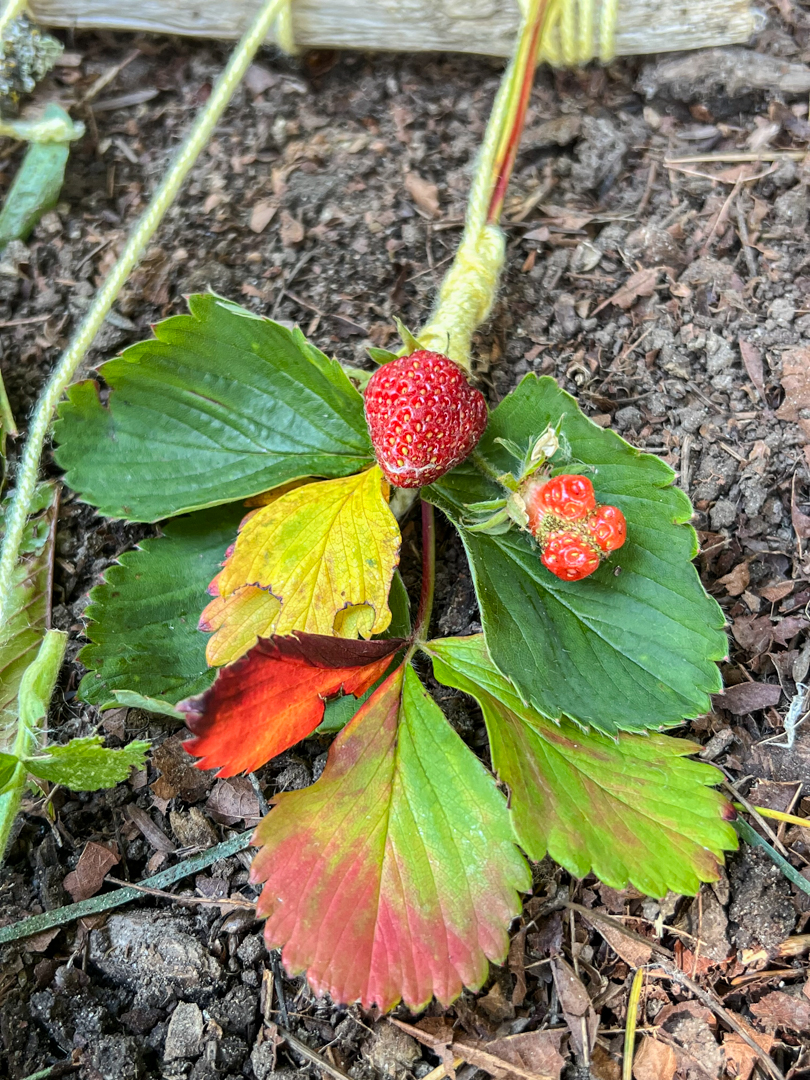
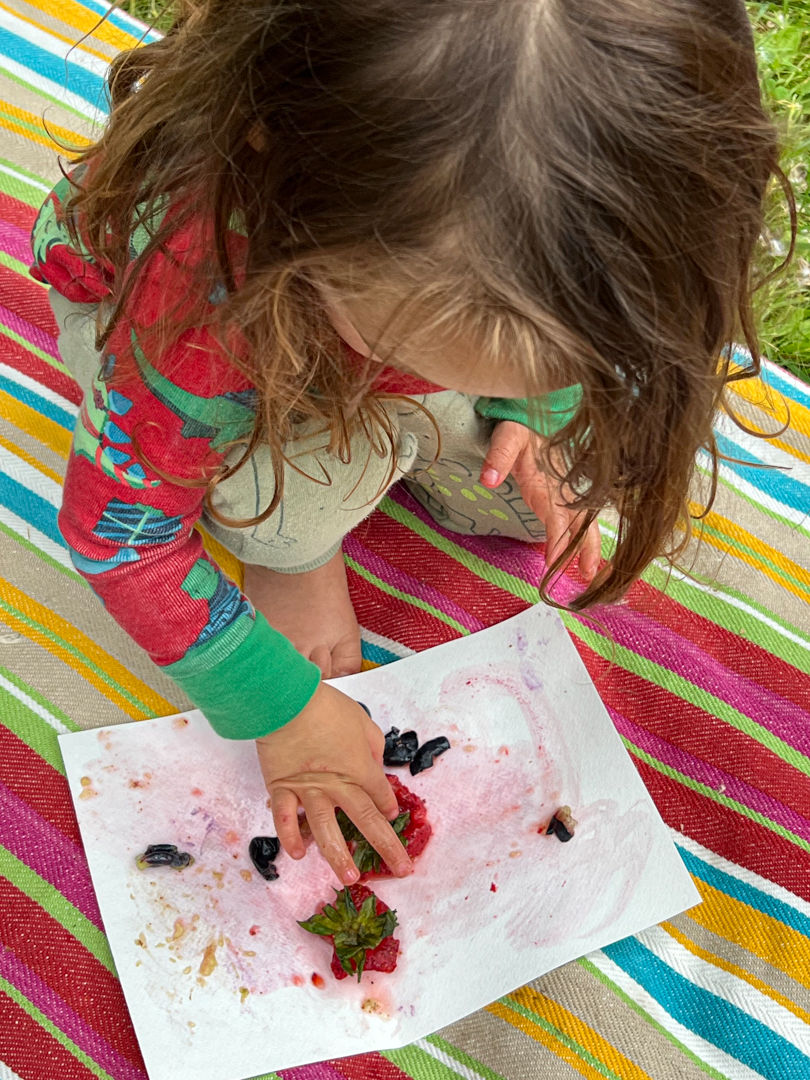
They explore the sweet and sour summer treats, breaking the berries between their teeth or with their fingers onto craft paper. Salmonberries can be yellow! Blueberries aren’t blue inside? Blackberries make the darkest smudge, but most of them are used for snacks, not art. Strawberries smell the sweetest. Thimbleberries are so fragile!
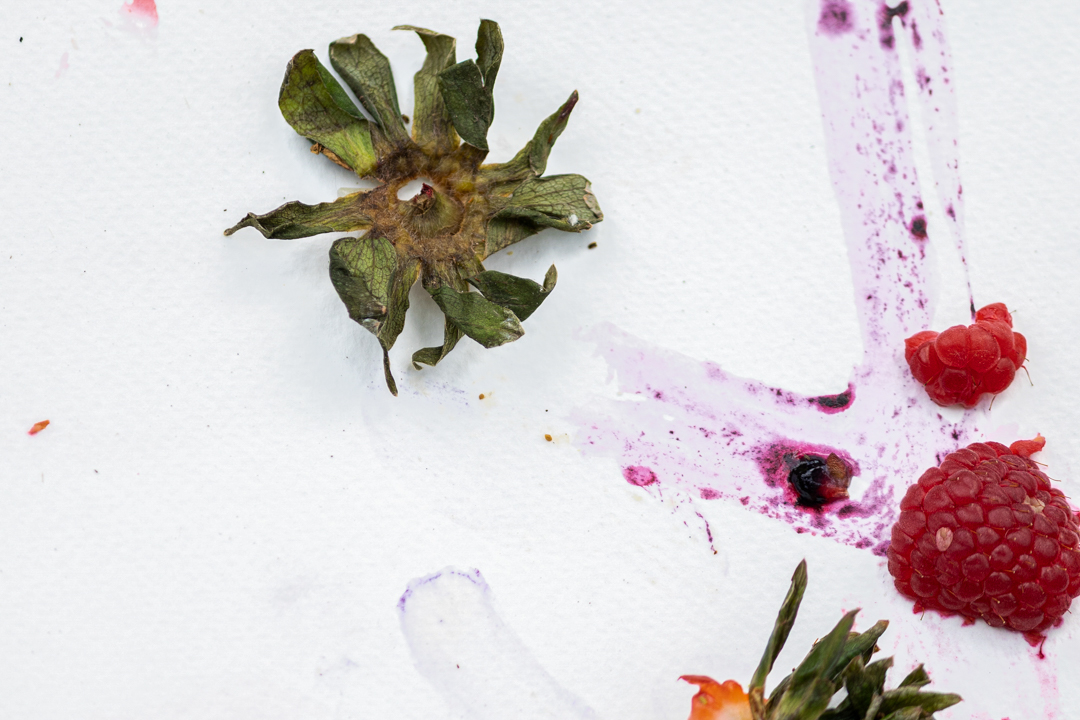
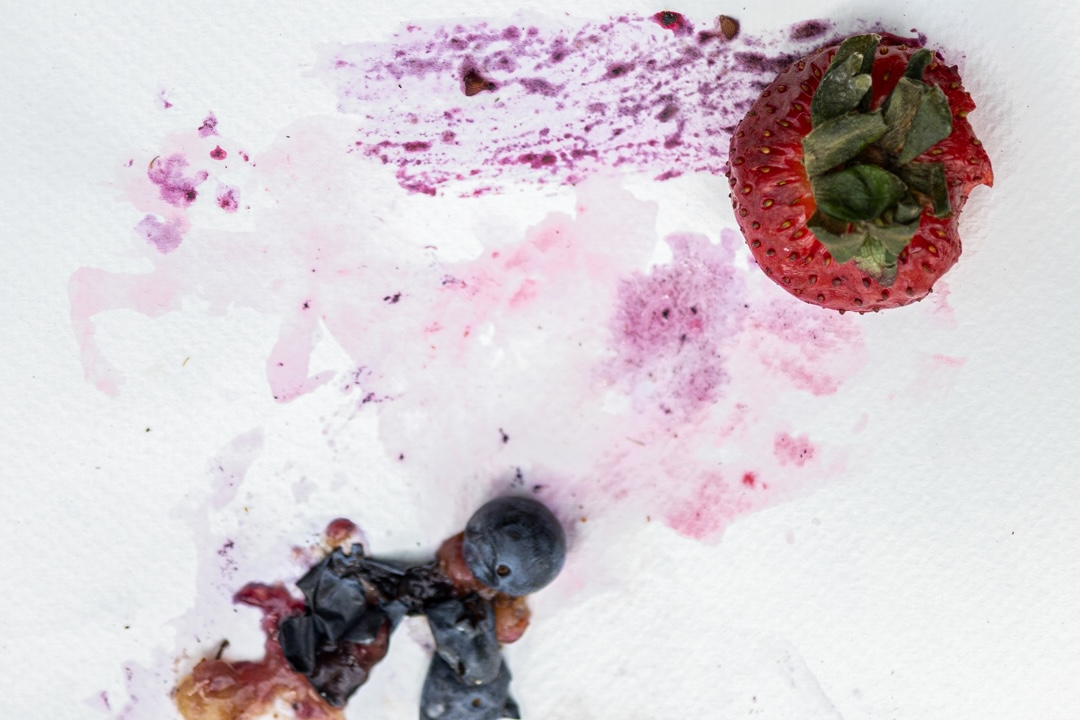
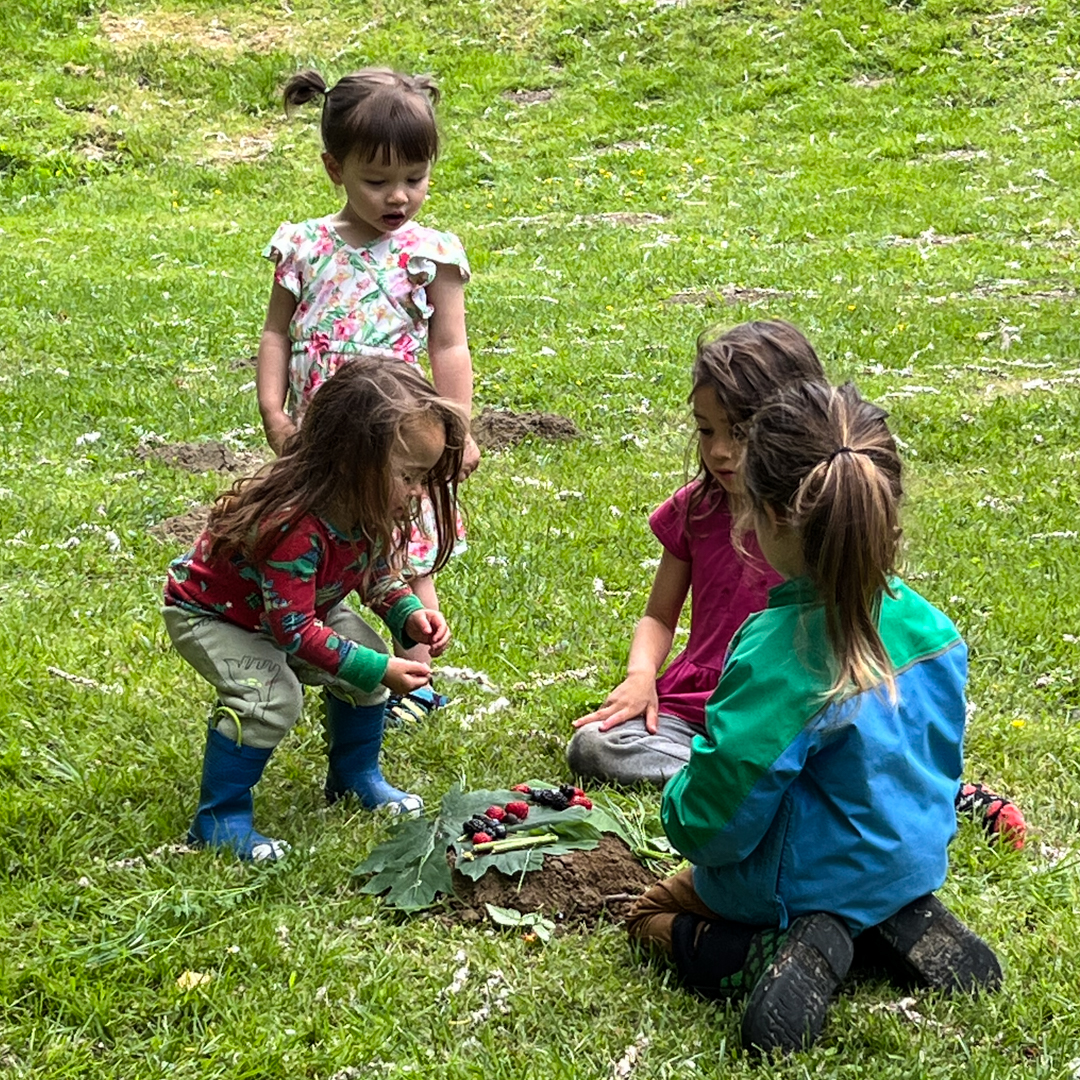
Miscellaneous berries and seeds and pods and leaves are arranged on a mole hill to surround the snails we leave behind in the forest.
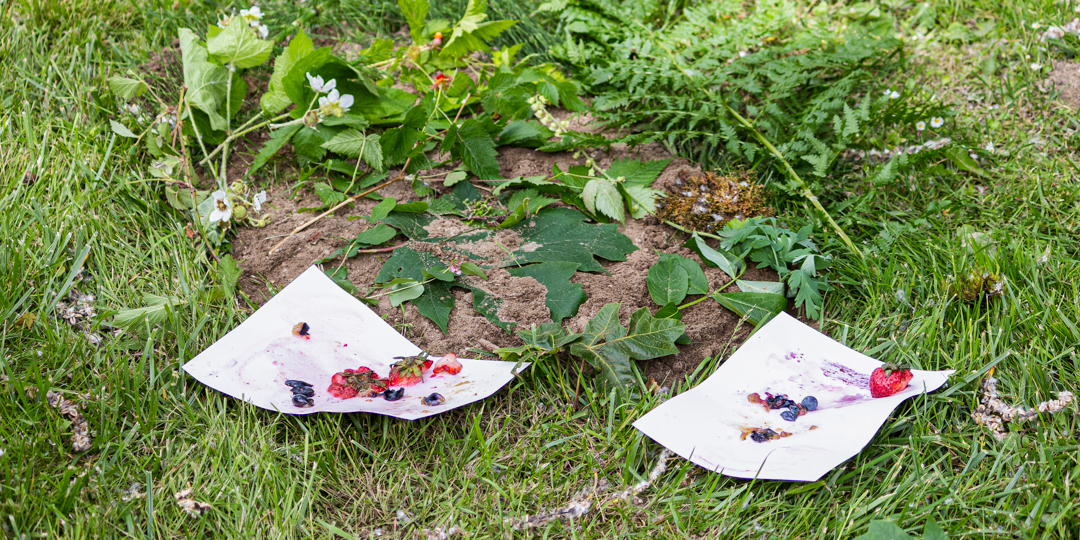
And although they tried to feed it, we found no evidence that newts (or salamanders) have any interest in eating berries.
They don’t – but what joy there is in wondering!
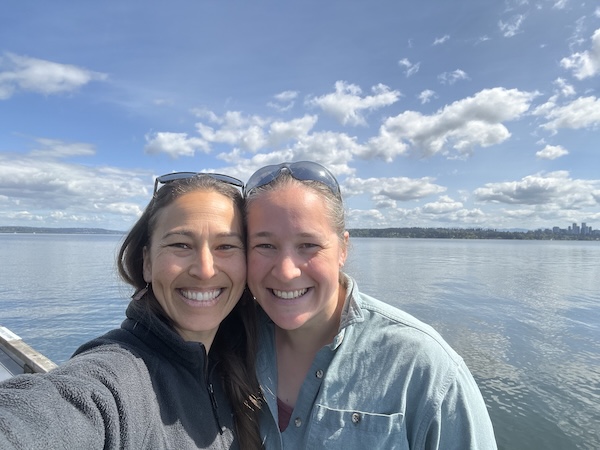
Lindsey Davidge (right in photo) lives among the sword ferns and cedar trees in Mountlake Terrace and has always considered the Pacific Northwest her home. She is an environmental scientist, engineer, and educator, and loves sharing her passion for outdoor recreation and conservation with her son. You can find her at work and at play in local forests, in and on the water, and in her garden.
Meilani Lanier-Kamaha’o (left in photo) spent her childhood in nature exploring redwood trees, avocado groves, granite rocks, and beaches throughout California. She now enjoys the basalt and metamorphic rocks, ferns, lakes, rivers, and native berries of Washington and is thrilled to share these delights with her family. She lives near the confluence of the Cedar River and Lake Washington on Coast Salish dxʷdəwʔabš (Duwamish) and bəqəlšuɬ (Muckleshoot) land, in Renton. Meilani is an executive co-director at Sustainable Seattle, community organizer, geologist, gardener, and practicing birth doula. She is a fierce advocate for environmental justice and resilience and she focuses on climate adaptation practiced at the individual and community level. The climate solutions and regenerative technology we need exist ~ what comes next is up to us.
Issue Page
Table of Contents, Issue #28, Summer 2025
A Rainbow of Berries
A Rainbow of Berries by Gunnison Langley, Summer 2025An artistic rainbow of berries. photos by Thomas Noland, composition by Susan Merrillby Gunnison Langley Summer 2025Often in the pursuit of filling our bellies with delectable berries, we overlook that berry plants...
Blackberries of the Salish Sea
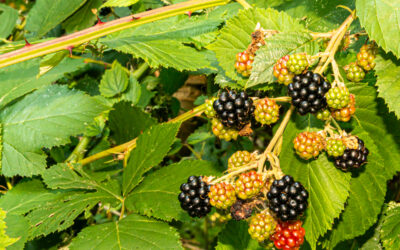
Blackberries of the Salish Sea by Sarah Ottino, Summer 2025Himalayan blackberries at various stages of ripeness. photo by John F. Williamsby Sarah Ottino Summer 2025Editor’s note: Summer is time for blackberries ripening along trails, roadsides, and streams around the...
Our Rowan Tree
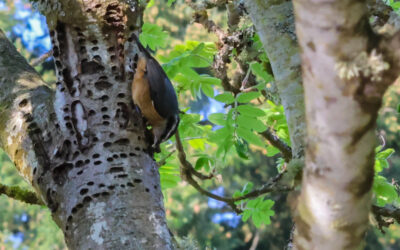
Our Rowan Tree by Thomas & Sara Noland, Summer 2025Red-breasted nuthatch caching a berry in mountain ash tree. photo by Thomas Nolandby Thomas & Sara Noland Summer 2025In our front yard is a year-round grocery store and rest stop for wild travelers. It started...
Blush Before the Salmon
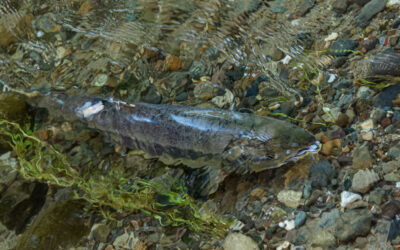
Blush before the salmon by Celeste Hankins, Summer 2025Adult female chum salmon in Chico Creek, Kitsap. photo by John F. Williamsby Celeste Hankins Summer 2025Along the edges of the Salish Sea, where cedar shadows stretch long over moss and fern, the salmonberries...
Poetry 28 A
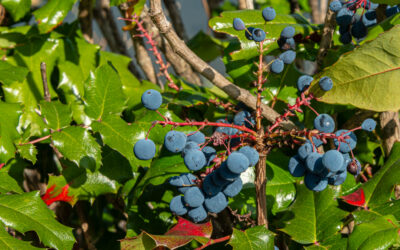
Poetry 28 A by multiple poets Summer 2025Berries of oregon grape (mahonia). photo by John F. Williamsby multiple poets Summer 2025Blueberry by Nancy Taylor bigger than a pea had been a flower suckled by a bee color of a new bruise but doesn’t hold the pain...
Poetry 28 B
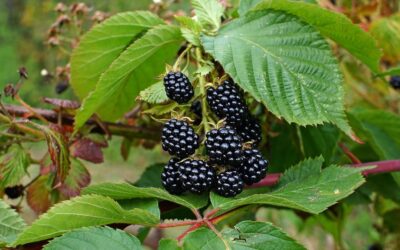
Poetry 28 B by multiple poets Summer 2025Blackberries on the bush. Image by Marevo via Pixabayby multiple poets Summer 2025sun pierced by Carl Jensen The element of fear picking blackberries (you really do get snagged by vines) is balanced against an everyday...
COPYRIGHT
Copyright SEA-Media
All rights reserved. Reproduction or distribution, in whole or in part. without consent of copyright owner is strictly prohibited — except for brief quotations in critical reviews and other noncommercial uses permitted by copyright laws.
SEA-Media is a 501(c)(3) nonprofit corporation
PLEASE HELP SUPPORT
SALISH MAGAZINE
DONATE
Salish Magazine contains no advertising and is free. Your donation is one big way you can help us inspire people with stories about things that they can see outdoors in our Salish Sea region.
We also don't advertise Salish Magazine, so please spread the word of this online resource to your friends and colleagues.
Thanks so much for your interest and your support.