
Poetry 29 A
by multiple poets
Autumn 2025
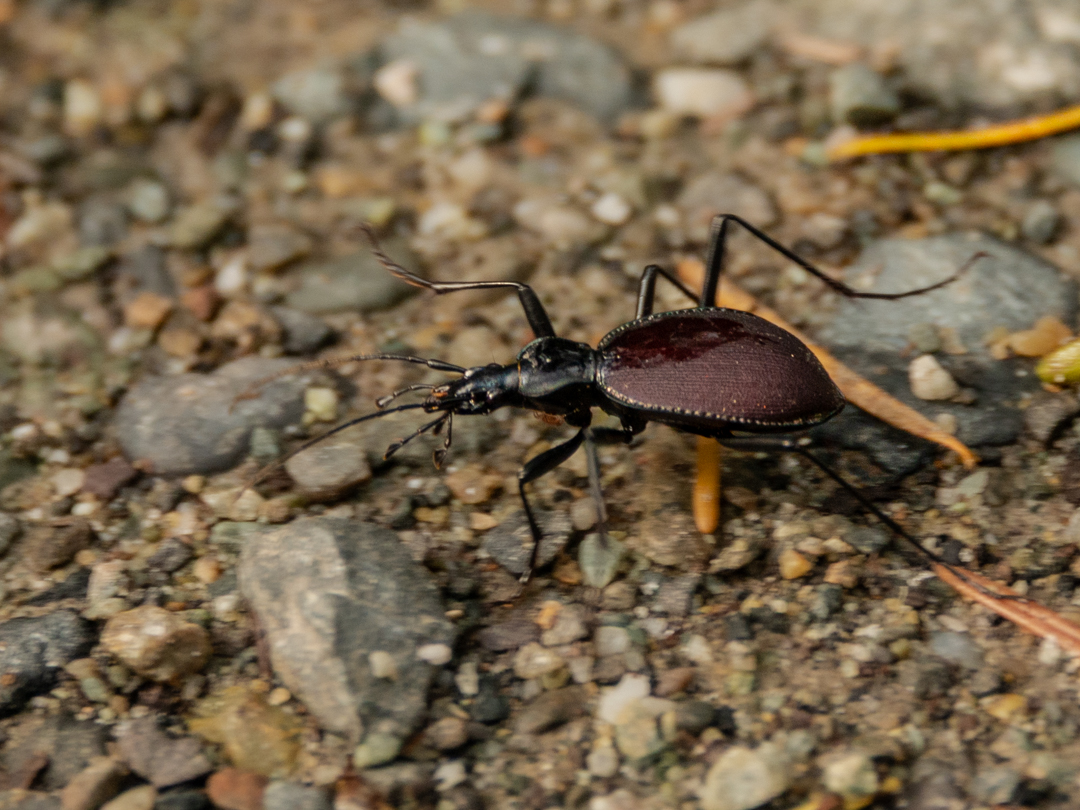
Narrow-collared snail-eating beetle — it eats spiders too! photo by John F. Williams
POETRY 29 A
by multiple poets
Autumn 2025
A Bug’s Life
by Diane Moser
He scurries across the wall
tiny legs more nimble
than size seven Keds.
Miniscule feelers reach ahead
a reflection of ancestors
who lined up like soldiers in the field,
against life’s odds. I watch him advance
on a crumb left from breakfast toast.
No turning back when life is short
as a minute breath. One crunch of a foot
and he would disappear.
No need for cremation or bugles at burial.
I reach for a glass,
its reflection sends light across the room
then catches him in mid-bite.
I lift him up,
his bug eyes on mine,
then set him outside,
the crumb still clutched in his mouth.
Water Strider
by Maddox Hoots, age 10
little water strider
gliding on the surface
waiting for his moment
waiting for his prey
a drowned mosquito, perhaps
helpless to his jaws
he is speedy, swift
quick to dodge
briskly skimming
he balances, carefully
bounding here and there
on long, skinny legs
his life is very short
so he must make
the most of it
he beats his legs
on the soft dirt
to get a lady
then they mate
lay eggs on soft brush
and rest together
a little while later,
new babies hatch
and start bounding
making their home
in the same creek
their parents lived in
and spend their short life
in that creek
striding and gliding
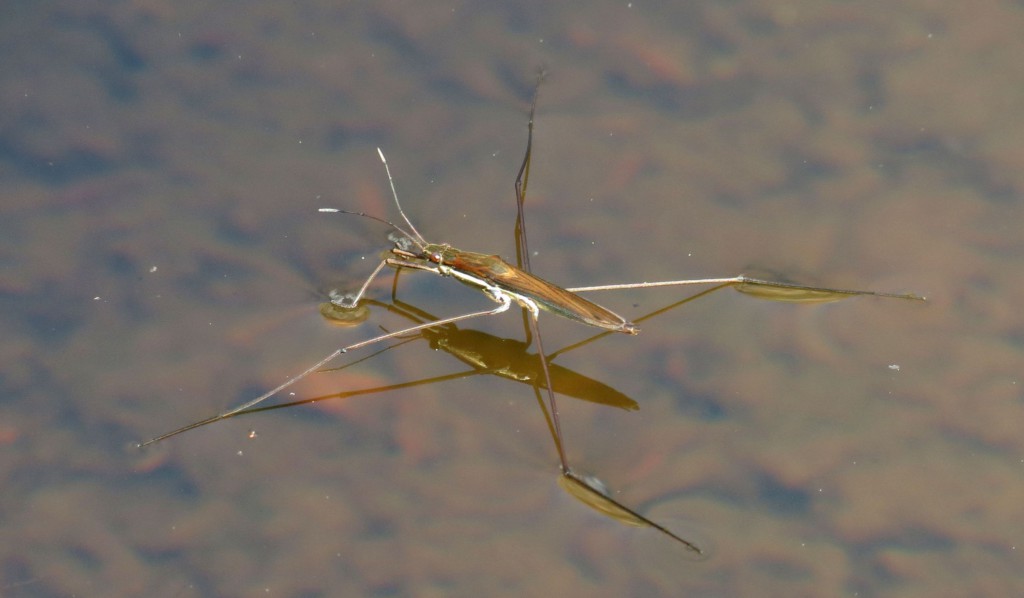
Water strider. photo by Katja Schulz, Creative Commons Attribution 2.0 Generic license
Spinneret
by Roger Midgett
Single strands of spider web
brush against my skin as I walk
in the dark to the ferry.
The spiders in the brush grunt
with disappointment when I proceed,
their biggest prey so easily escaping.
I admire their optimism
as they launch these merest of threads
out on the currents of air.
The floating strands could be
a language, articulated
from the depths of their viscera.
They send out these lines of silk
like poems, hoping with a subtle graze
to intercept the flight of their game.
And when a reader is arrested,
they’ll slip down the filaments to inject
the insidious protein of words.
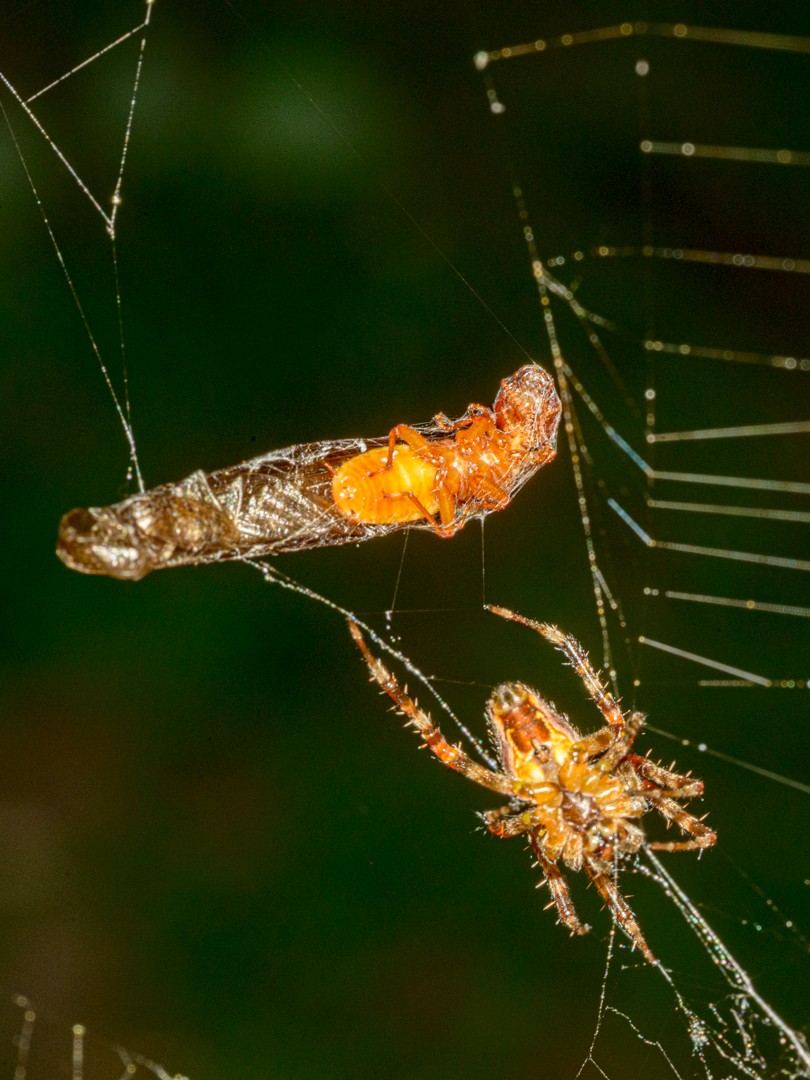
Spider with its prey in its net. photo by John F. Williams
Spiders
by John Fossett
Their 8-legged bodies
crawl in all earthly habitats.
Their spinnerets spew silk
stronger than steel.
Superior vision, strength,
speed and venom-filled fangs
allow them to liquify prey
into smoothies.
Some regenerate limbs,
and a few live communally.
A tiny fraction (0.05%)
can kill an adult human
with just a bite.
Spiders get bad raps
in books and movies.
Arachne, a Greek weaver
who angered a God
was turned into a spider.
A spider scared Miss Muffet
from her curds.
Peter Parker’s powers
came from a spider bite.
Shelob, a demon arachnid,
waited for Hobbits
near Tolkien’s Mordor.
Hagrid’s pet, Acromantula,
could communicate,
but had a taste for human flesh.
And then there’s Charlotte,
who saved her friend
by declaring him
“Some Pig” in her web.
To some, spiders are creepy,
to others, magnificent creatures.
Do spiders deserve
their dark reputation?
Or are these apex predators
that keep the insect population
in check simply misunderstood?
Despite the occasional
full in the face, spiderweb mask,
when walking in my garden,
I am a huge fan!
MOTH
by Mary Victoria Dombrowski
(For Virgil who was dying)
How lovely the loosed light
guttering in its pool of wax.
Same old story: Moth to flame.
Learn to be Friends with the Other
by Nancy Fowler
Please keep in mind that we now live on land that for a lot of years was occupied
by Vespula pensylvanica, the western yellow jacket. As a more recent immigrant
to this area, you may be fearful of this species, and sometimes with good reason
for there have been attacks in the past. I’ll talk about that later. But first….
Start by learning of the ways and lives of yellow jackets. They’re hard workers
and totally devoted to their community’s good. These qualities motivate their daily
lives and also, their response to threat, whether real or perceived. You could cause either.
Try to see their point of view. Perhaps a challenge, yet do try.
A roast beef sandwich and a lemonade. An early autumn picnic in the local park
with friends. A plate of chocolate cookies. The frisbee game is finished so you
move toward the table. You shouldn’t be surprised to find a yellow jacket snacking
on the cookies, and the red meat, at the drink cans’ open tabs. You swat.
Reinforcements arrive. You swat again. Wrong move. Each threatened insect
releases pheromones, a call for help, a call for attack, and, if by chance you kill
one, a call to claim the body, bring it home. No, I am not joking. By the way,
you can’t outrun a yellow jacket. They speed at thirty miles per hour. Can you?
Cover your head. Move away slowly. If attacked seek shelter, but never hide
in water. They’ve learned to wait. They’re smart you see. Will wait until
you rise for air. I wish to add some good advice, especially for outside dining
particularly in fall. It’s then they’re most aggressive, as the colonies have reached
their largest size, while food supplies diminish. These workers, barren females all,
now desperate to sustain the next year’s queen, the only one who will survive
from now until new flowers bloom. Then will emerge the pregnant queen, she’ll end
her winter’s hibernation and step into nature’s destiny—she’ll build a nest, birth
first a next generation of workers, later a few males. For months the colony will work
to feed their own and also aid their neighbors, as they eat invasive pests in local gardens
and in farms. Aphids on tomato plants, a single good example. They also clear surrounding ground of rotting carrion. So, leave them be and let them feed the tanagers and falcons, the owls,
raccoons, the dragonflies and others who devour them. And one last thought for you to think, plan your picnic after four. For then they take a needed rest.

Diane Moser lives on the Kitsap Peninsula overlooking the beautiful Olympic Mountains where a lifetime of observation is reflected in her poetry.
She feels words can connect in a time when we need to hear and understand each other. She hopes you find a sense of connection and shared experience in her poetry.
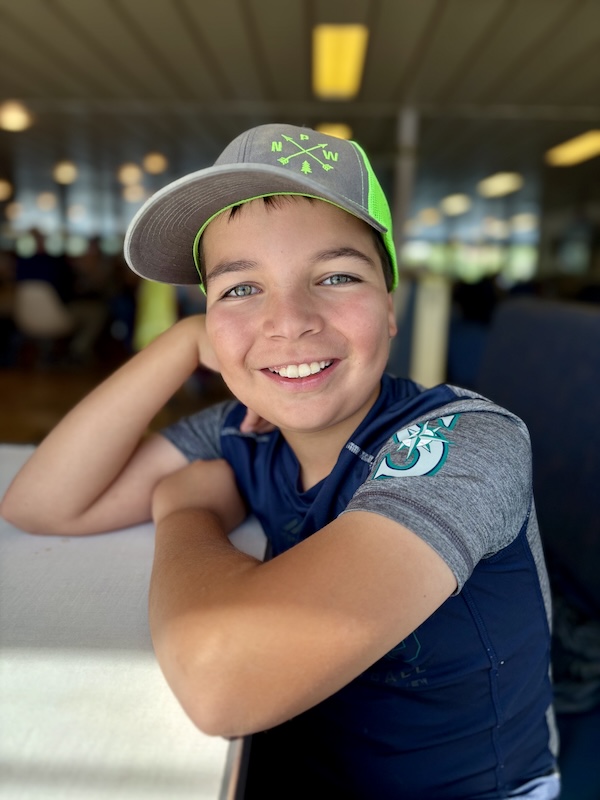
Maddox Hoots is a 10 -year old who lives in Poulsbo, Washington. His love for poetry kicked off when he had a poetry unit in school and has written many poems since then. Some of his other hobbies include playing basketball, reading, and playing video games. This is his first time having a poem be published in a magazine, but he hopes to write more.

John Fossett is a former tugboat skipper, retired reference librarian, life-long gardener, food preserver, cyclist, hiker and berry picker, with an eclectic skill set. He lives with his partner, kids and their rescued dogs in the Pacific Northwest, where he plays guitar, writes poetry and grows veggies and berries, mostly. You can see more of his writing at http://hangingwiththedog.blogspot.com/
Roger Midgett has long been connected to poetry on Bainbridge Island through John Willson’s poetry workshop, Poetry Corners, Exhibition,”Last Poem On Earth: A Jazz Requiem,” and the Return to Creativity awards. He’s a Clinical Social Worker in private practice.
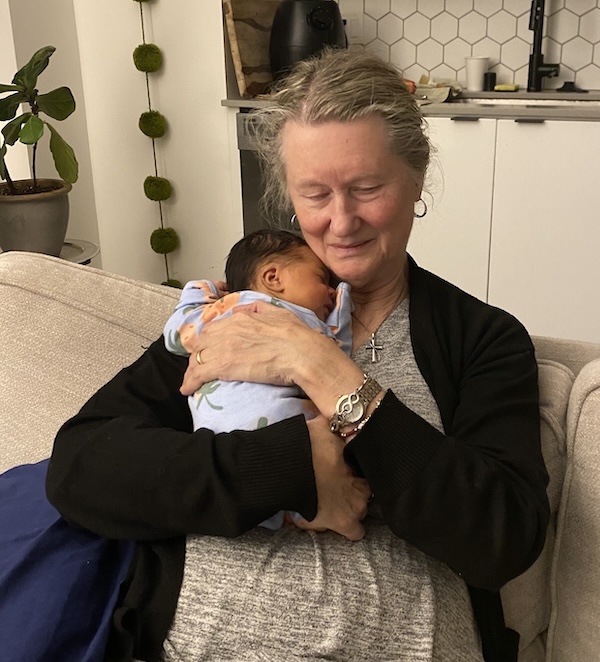
Mary Victoria Dombrowski lives on Bainbridge Island with her husband James. Their three children live within a stone’s throw with their spouses and children. A blessing. Mary splits her time between reading history and theology, tending to business matters, and keeping the house and garden.
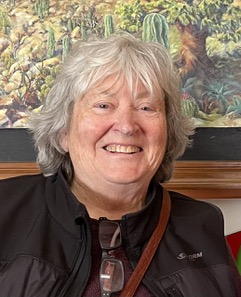
Nancy Fowler’s work has been published in Tidepools, Gemini, Songs of the San Joaquin, Naugatauk River Review, Cirque, Porter Gulch Review and other journals. It has been exhibited in Bainbridge Island’s Poetry Corners event, and in the Port Angeles Fine Arts Center’s Poetry in the Park Program, with yearlong displays in the Webster Woods Sculpture Park, and is included in Women in a Golden State, a recent anthology of poetry by women over 60.
Issue Page
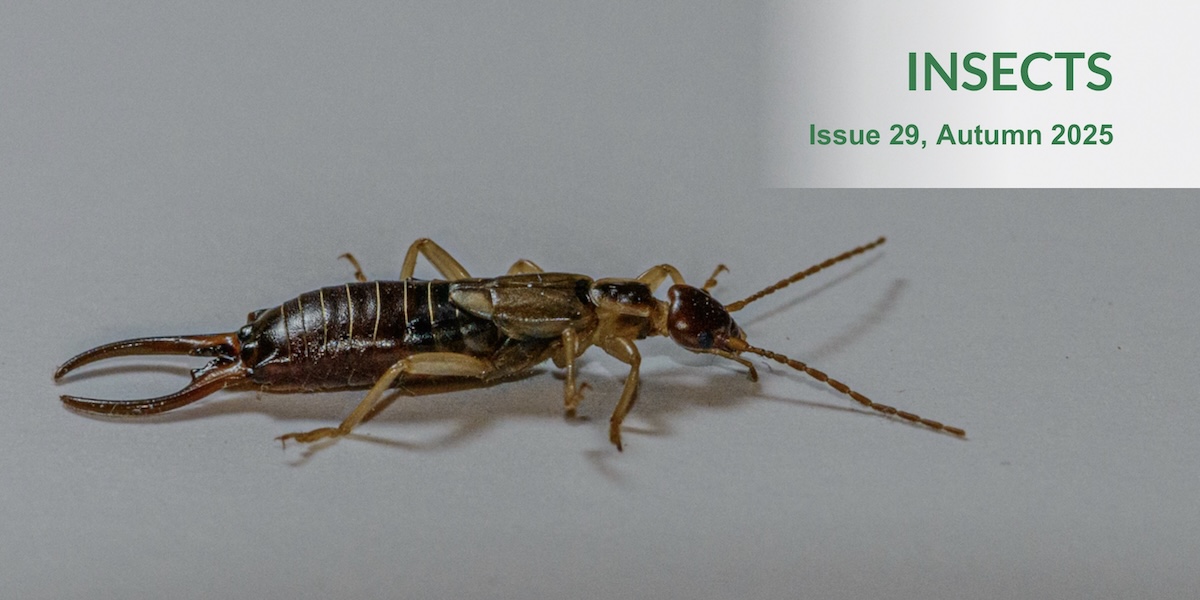
Table of Contents, Issue #29, Autumn 2025
Stream Bugs
by Mercedes Garcia Autumn 2025Dogfish Creek in Fish Park in Poulsbo, WA. photo by John F. Williams by Mercedes Garcia Autumn 2025Streams are teaming with life of all shapes and sizes. Salmon and sculpin swim along the rocks, dodging the branches and leaves. Within the...
Tiny Hunger
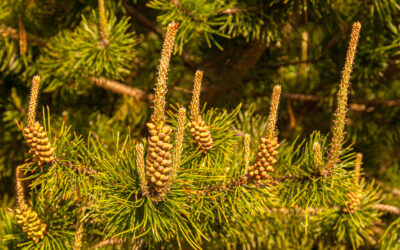
by Lucienne Miodonski Autumn 2025Shore pine. photo by John F. Williams by Lucienne Miodonski Autumn 2025On the southwestern corner of my waterfront property — high on a bluff above the Saratoga Passage, where the land begins to lose its grip on the sea, a single...
Beneath the Bark
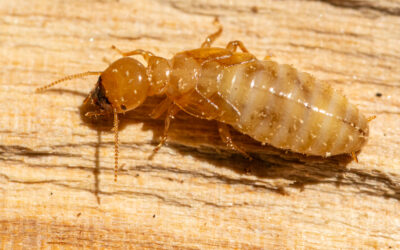
by Celeste Hankins photos by John F. Williams Autumn 2025A cedar tree growing from a nurse log that provides nutrients as it decays. by Celeste Hankins photos by John F. Williams Autumn 2025A fallen cedar isn’t the end of the story. Not here. Along the misty trails...
Poetry 29 B
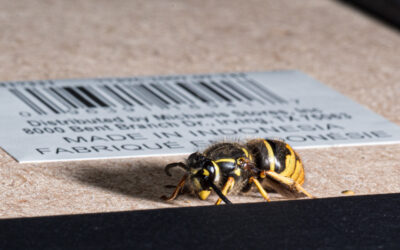
Poetry 29 B by multiple poets Autumn 2025A wasp in the house! photo by John F. Williamsby multiple poets Autumn 2025Dinner on the Web Judy Shimek Drechsler The spider with a round back endcreates a dinner table of diaphanousstrings capable of holding a cornucopiaof...
Insect Garden
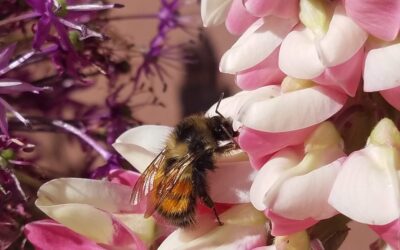
Insect Garden by Sarah Ottino, Autumn 2025A bee helping to pollinate a lupine plant. photo by Sarah Ottinoby Sarah Ottino Autumn 2025A garden is more than flowers and vegetables. It’s an ecosystem — a collaboration of sunlight, soil, water, plants, animals, fungi, and...
Elk and Insects
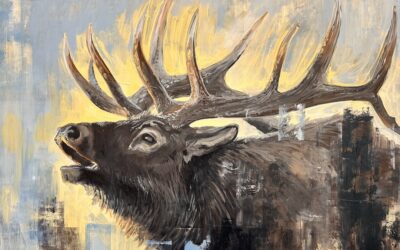
Roosevelt elk. oil painting by Justin JohnsonA BROADER LOOK AT THE COMPLEX RELATIONSHIPS BETWEEN ELK AND INSECTS IN THE PACIFIC NORTHWEST by Justin Johnson, Autumn 2025Here in North Bend, Washington, we're lucky to live alongside one of the state's resident elk herds....
A Leaf Miner’s Journey
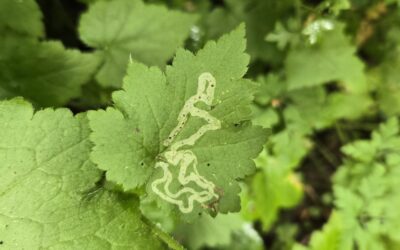
Under Cover — A Leaf Miner's Journey by Mary Johnson, Autumn 2025Leaf mine of Phytomyza tiarellae (a fly) on youth-on-age (Tolmiea menziesii). photo by Mary Johnsonby Mary Johnson Autumn 2025Within the confines of the darkened space, the organism tunnels its way...
COPYRIGHT
Copyright SEA-Media
All rights reserved. Reproduction or distribution, in whole or in part. without consent of copyright owner is strictly prohibited — except for brief quotations in critical reviews and other noncommercial uses permitted by copyright laws.
SEA-Media is a 501(c)(3) nonprofit corporation
PLEASE HELP SUPPORT
SALISH MAGAZINE
DONATE
Salish Magazine contains no advertising and is free. Your donation is one big way you can help us inspire people with stories about things that they can see outdoors in our Salish Sea region.
We also don't advertise Salish Magazine, so please spread the word of this online resource to your friends and colleagues.
Thanks so much for your interest and your support.