
BACKYARD BIRD HABITAT
by Sarah Ottino, Spring 2026
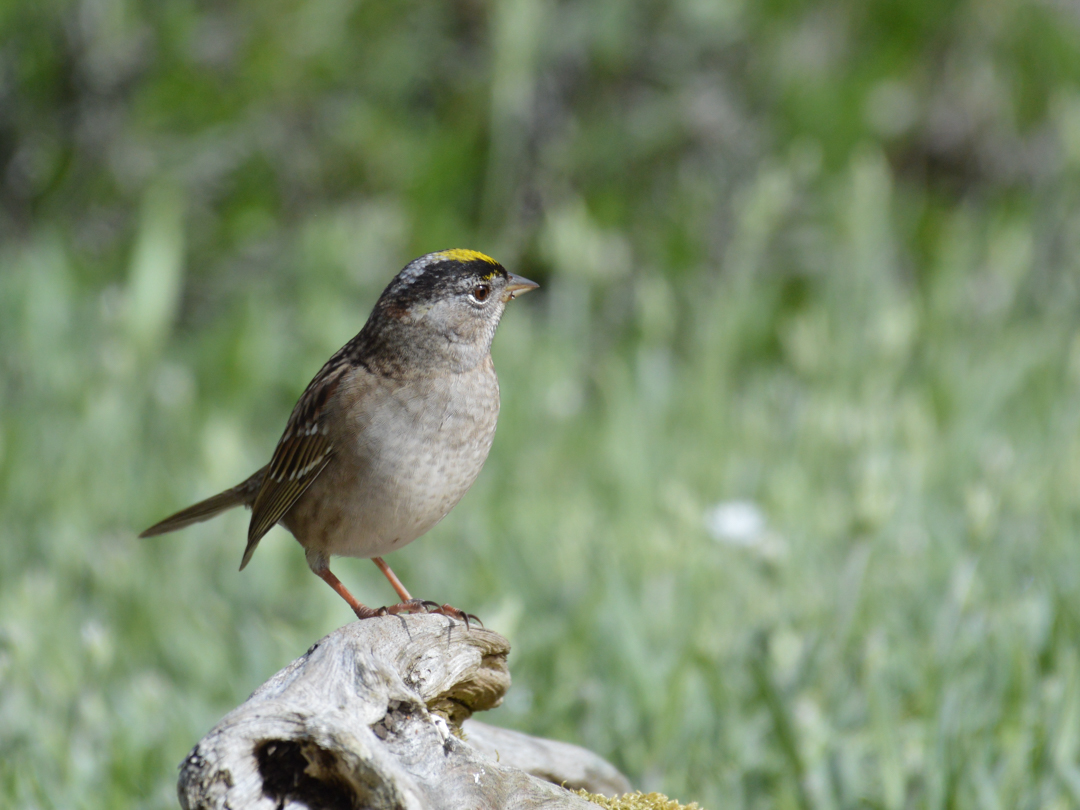
Golden-crowned Sparrow. photo by Sarah Ottino
BACKYARD BIRD HABITAT
by Sarah Ottino
Spring 2026
The world of birds is vast, and avian species are found on all seven continents. Some birds are particular and only reside in specific locations, while others can be found around the world. The Salish Sea region is home to many birds. There are roughly 220 bird species known to make King County their home. Some of these species are year-round residents while others are regular visitors, staying for a whole season or just taking a break on their migratory journey. While some birds have an affinity for wild forests, the slopes of the Cascades, or murky wetlands, others have adapted to living alongside humans. For these birds, backyards (including rooftops, balconies, and patios) offer valuable habitat.
A habitat provides four key elements: food, water, shelter, and space. The more habitat elements a backyard can offer, the more birds it will attract. While large backyards can provide a deluxe habitat for many birds, even small backyards can be a bird haven. As urban development expands, the smallest patch of greenery or a bird bath becomes an oasis in a sea of concrete. Backyards play an important role as corridors and resting places for resident urban birds as well as those passing through.
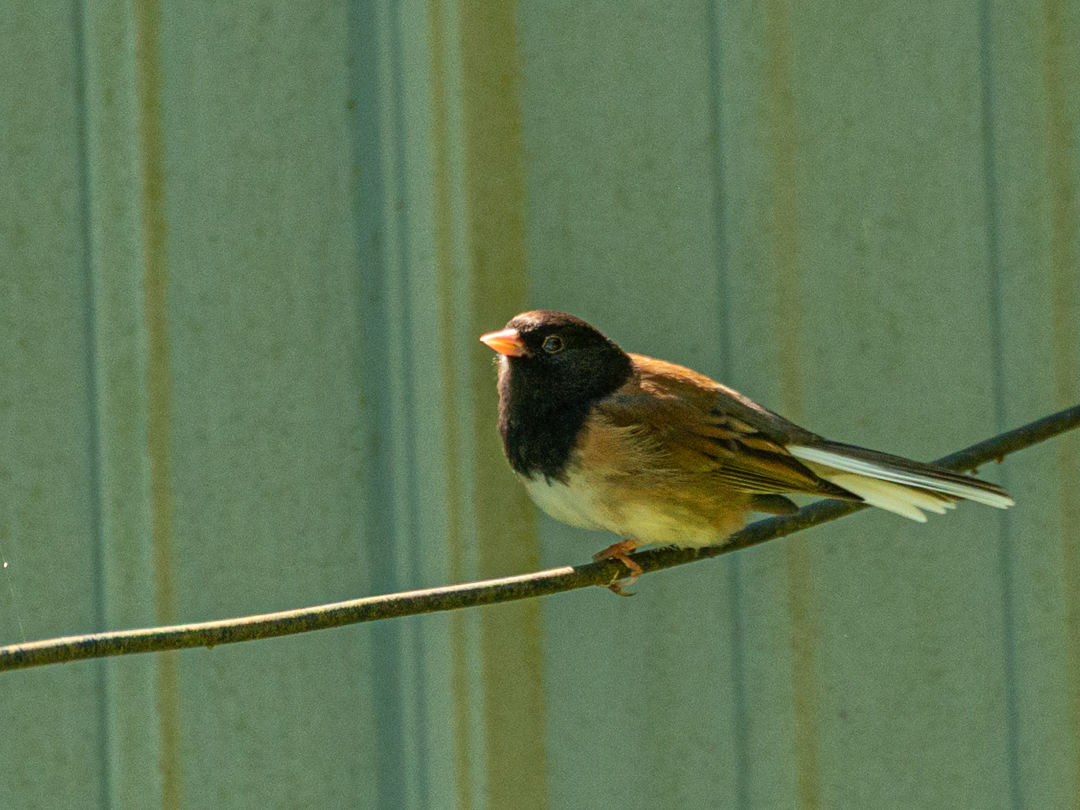
Dark-eyed Junco. photo by John F. Williams
There are multiple factors that influence the types and number of birds that may make a backyard home. One is the proximity of a backyard to other open spaces. Backyards near greenbelts, parks, or in more rural areas will often be home to birds less tolerant of the hustle and bustle of human activity. Birds such as the House Sparrow (Passer domesticus) have lived alongside humans for so long that they prefer a city sidewalk to a rural woodland.
Another big influence is plant diversity. Birds need plants for food, shelter, and nesting sites. While some birds eat the seeds and berries produced by plants, others rely on flower nectar or insects associated with plants.
Backyard size is a third factor. An acre of backyard offers more space for birds than a condo patio. Larger birds need more space and are more likely to be seen in a bigger backyard. Nevertheless, small spaces can be important habitat for some species. An apartment balcony may never be called home by a Bald Eagle (Haliaeetus leucocephalus), but it can be a rest and refuel station for an Anna’s Hummingbird (Calypte anna).
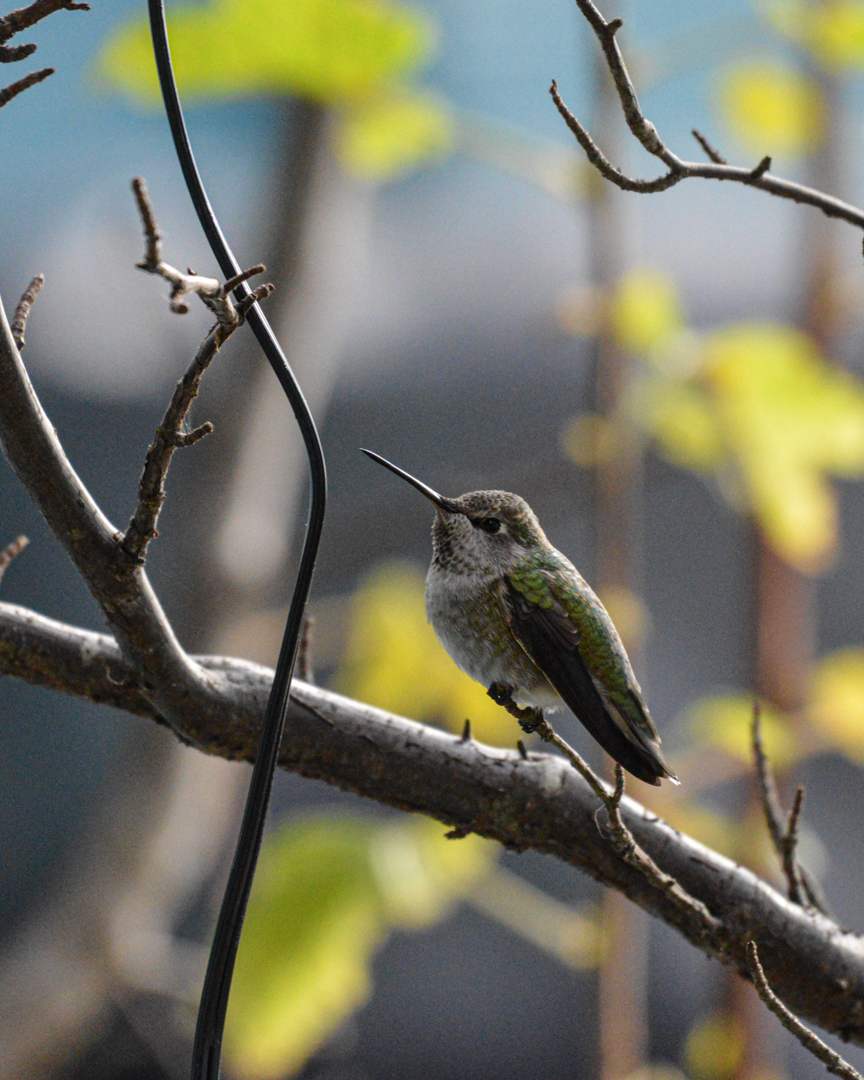
Anna’s Hummingbird. photo by Sarah Ottino
Some bird species that are frequent urban backyard residents include:
- American Bushtit (Psaltriparus minimus)
- American Crow (Corvus brachyrhynchos)
- American Robin (Turdus migratorius)
- Anna’s Hummingbird (Calypte anna)
- Bewick’s Wren (Thryomanes bewickii)
- Black-Capped Chickadee (Poecile atricapillus)
- Dark-Eyed Junco (Junco hyemalis)
- European Starling (Sturnus vulgaris)
- House Finch (Haemorhous mexicanus)
- House Sparrow (Passer domesticus)
- Northern Flicker (Colaptes auratus)
- Pine Siskin (Spinus pinus)
- Red-Breasted Nuthatch (Sitta canadensis)
- Spotted Towhee (Pipilo maculatus)
- Steller’s Jay (Poecile atricapillus)
- White-Crowned Sparrow (Zonotrichia leucophrys)
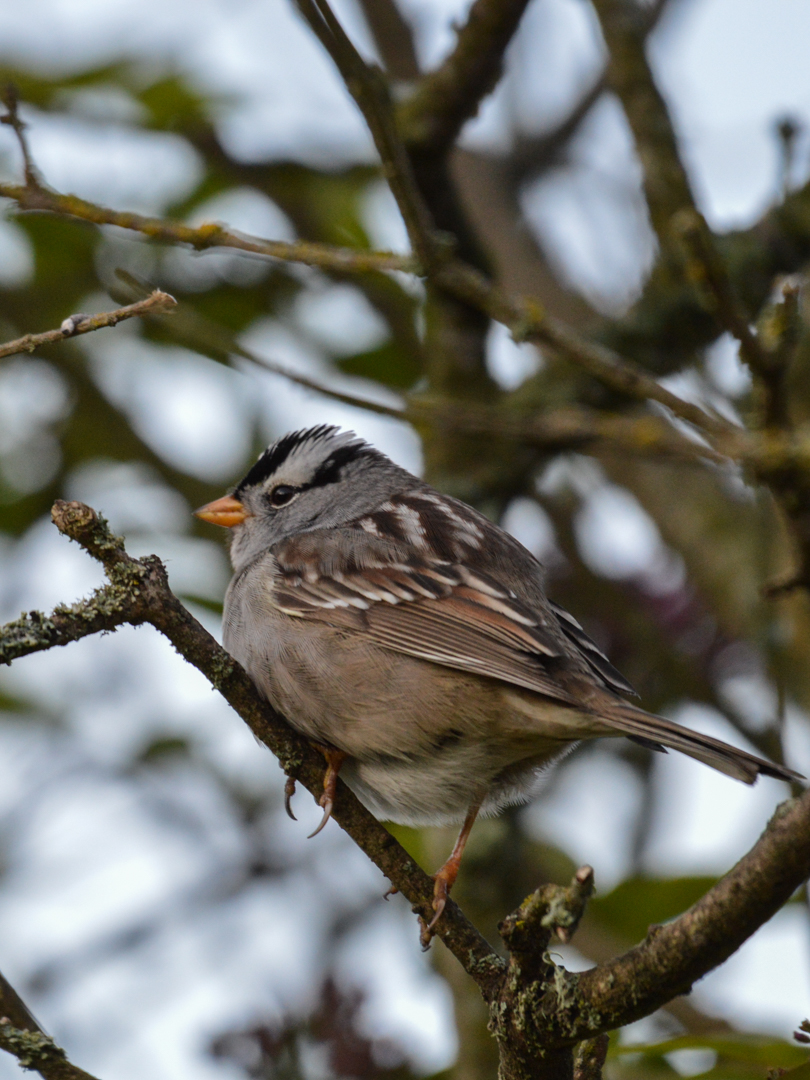
White-crowned Sparrow. photo by Sarah Ottino
birds and plants
Plants and birds go hand in hand (leaf in wing?). The more abundant a backyard’s plant diversity is, the more birds it will attract. Although backyard size is a limiting factor, plant abundance is more important when it comes to providing habitat. An estate with a pristine lawn but no other flora will not attract a wide array of bird species, whereas a smaller city backyard filled with a variety of plants has much more to offer.
There is a wide variety of diets amongst birds, so a backyard with a medley of plants (trees, shrubs, and ground covers) becomes a buffet that will satisfy a greater selection of birds. Some backyard birds are seed eaters while others prefer nuts, berries, invertebrates (slugs, worms, insects, spiders, etc.), or nectar. A garden filled with wildflowers may be a hummingbird paradise but does not have the berries needed to satisfy a Cedar Waxwing (Bombycilla cedrorum)’s appetite.
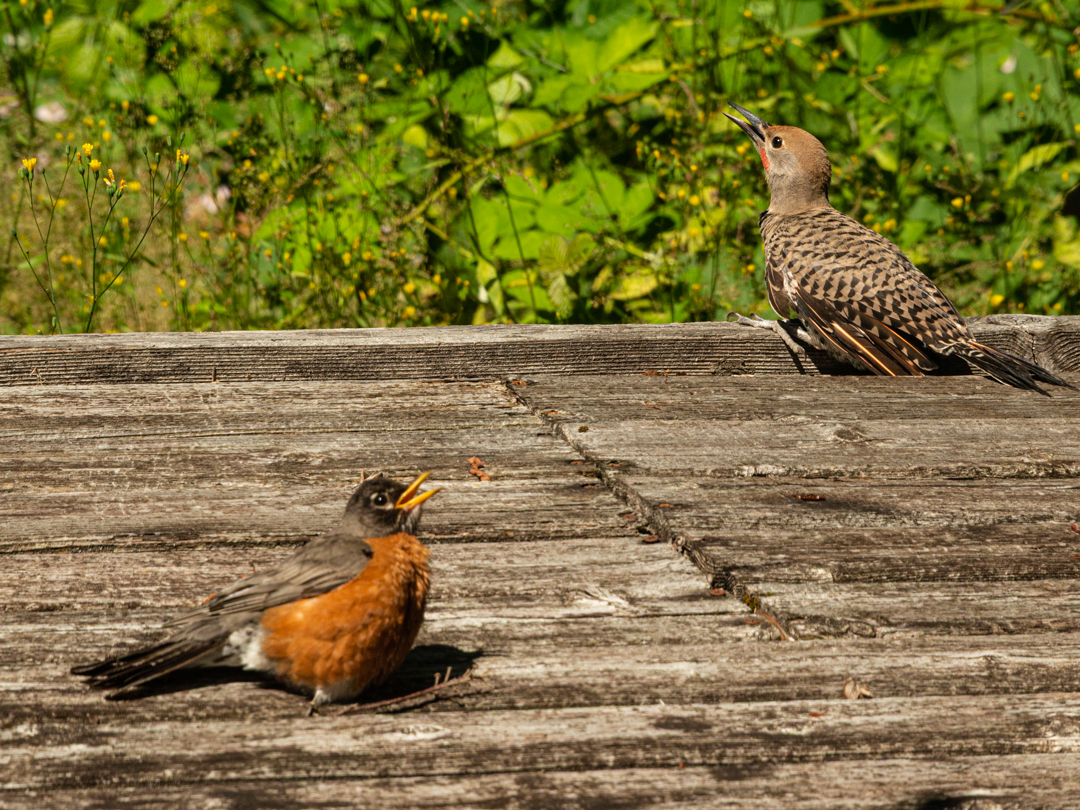
American Robin and Northern Flicker on a deck. photo by John F. Williams
Plants also provide shelter from predators and offer nesting sites. While some birds prefer building nests in trees, other birds, such as the Dark-eyed Junco (Junco hyemalis) are ground nesters. Birds that nest on the ground still need shelter and protection. A Dark-eyed Junco is more likely to build a nest in a backyard with low branches, logs, or tree roots than in the middle of a grass lawn. While deciduous plants have much to offer during the spring and summer, once their leaves begin to fall, birds become reliant on evergreen plants to provide shelter from not only predators but from winter weather.
Small backyards can maximize their space with a little creativity. Hanging pots and trellises take advantage of vertical space and allow for more plants to be grown. Some small birds such as the House Finch (Haemorhous mexicanus) will even nest in flower pots.
There are many non-native plants that offer food and shelter for birds, but native plants are the gold-star choice. Native birds have evolved alongside native plants. Birds know these plants are safe food choices and prefer them to introduced species. Native plants also attract native insects, which are the staple of some birds’ diets.
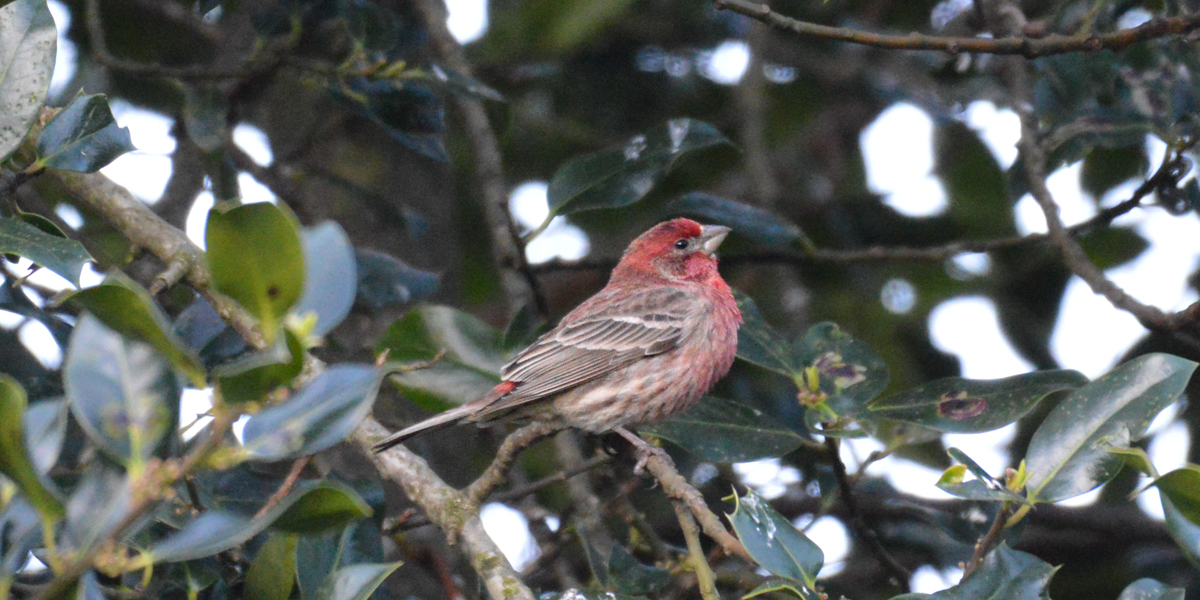
House Finch. photo by Sarah Ottino
water sources
Birds need water for drinking and bathing. The easiest way to provide water is to put out a bird bath or shallow dish; the water level in a bird bath should be no more than 3 inches deep. Most birds prefer to have good sightlines when bathing, so placing a bird bath in an open area will be most appealing to potential birdy bathers.
For more spacious backyards, ponds and fountains are decorative water features that can benefit birds. Hummingbirds seldom drink water since they stay hydrated with the nectar they consume. They do still need to bathe and have an affinity for sprayed and misted water, and when feeling bold, they will fly through the spray of a gardener’s hose.
Bird baths and dishes should be cleaned every few days, especially in the summer, to prevent algae, bacteria, and viruses from making birds sick. Non-toxic treatments should be used when cleaning bird baths and water features.
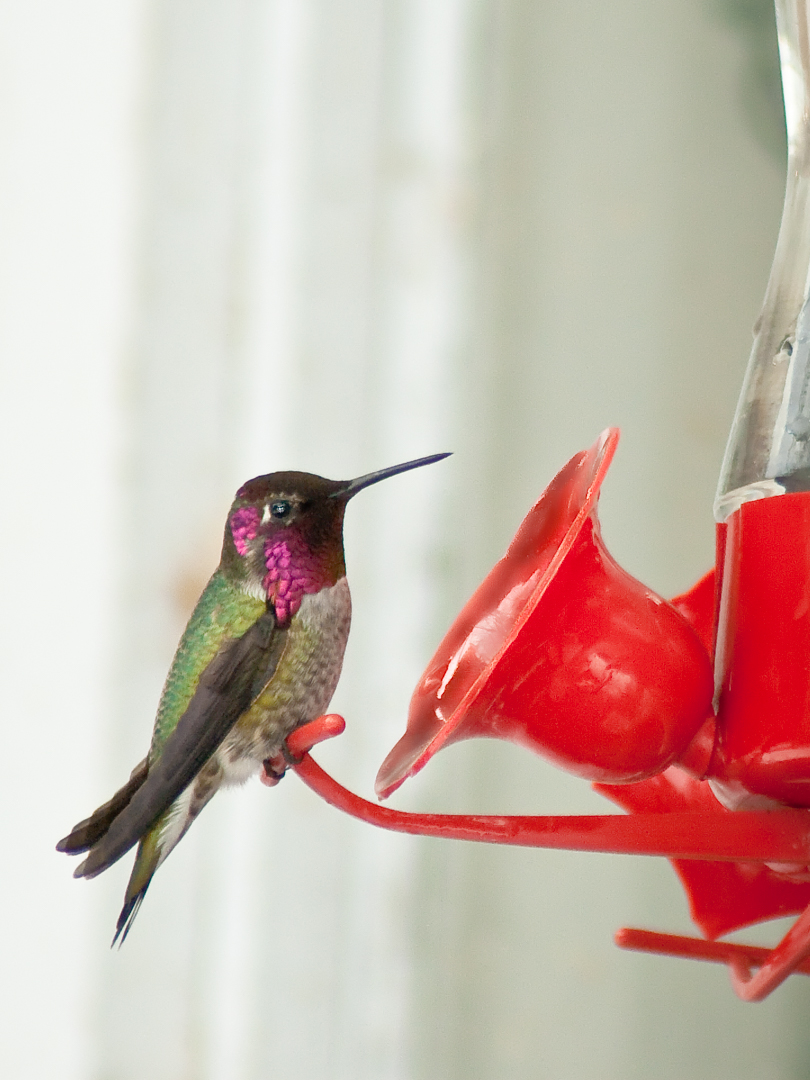
Anna’s Hummingbird at feeder. photo by John F. Williams
bird feeders and houses
Watching birds brings pleasure to many people, and being able to watch them out the window while washing dishes or sipping a cup of coffee is delightful and often comical. Bird feeders tend to be the go-to for attracting birds, and while feeders can be beneficial, nothing is better than creating natural habitat.
Feeders can be used as a supplement to plants, especially in the winter. The downside to feeders is that birds can become reliant on them. In the winter, if a hummingbird feeder freezes or seeds run out, it may be detrimental to the birds. A backyard that offers plants in addition to feeders helps birds maintain their natural foraging behaviors.
Feeder placement is also important for the safety of birds. Feeders should be placed within 3 feet of windows or over 30 feet away to prevent window collisions. Placement close to trees and shrubs increases the risk of predator attacks as well as easy access for squirrels and rats. Since not all birds eat the same diet, not all birds will enjoy every type of bird food or feeder style.
Like bird feeders, bird houses can be beneficial but should not be a replacement for natural habitat features. Bird houses are also not one-size-fits-all. Birds have unique nesting requirements, and certain bird house styles only appeal to certain birds. For backyards that are too small to plant trees or large shrubs, well-placed bird houses can be a good substitute. Bird houses, however, can also be a habitat for insects, rodents, bacteria, and viruses. To prevent disease or infestations, clean out old nesting material in the fall after all birds have left the nest.
A bird’s beak is an indicator of its dietary preferences. Birds with short sturdy beaks prefer nuts and seeds while longer slender beaks are ideal for catching insects.
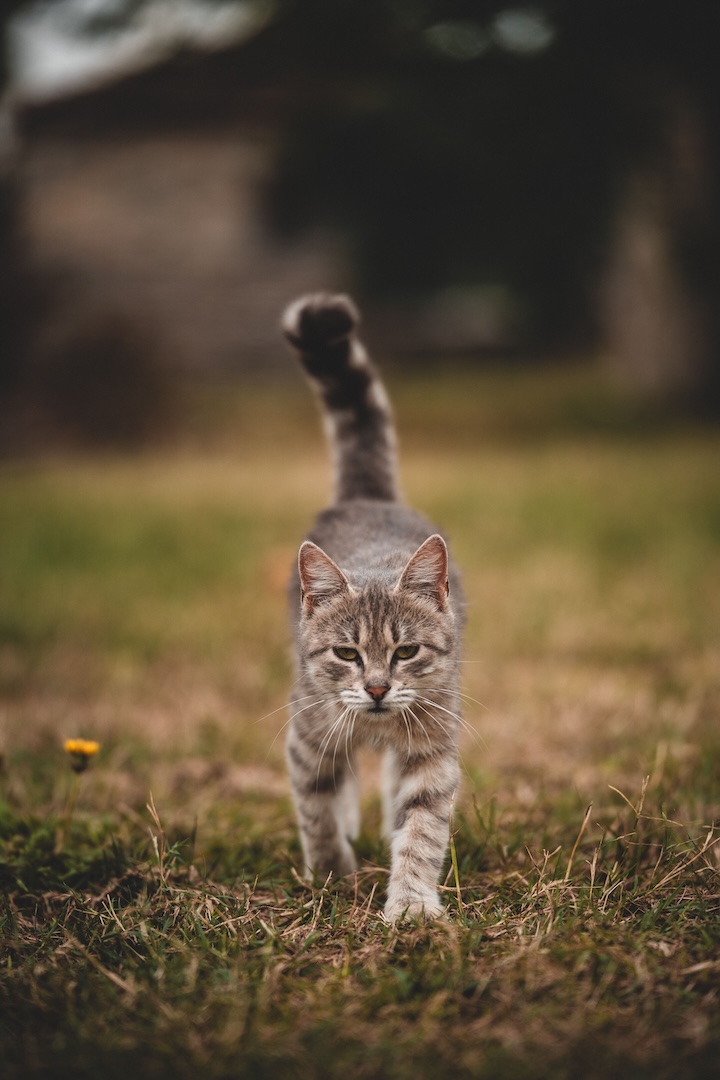
Cat outdoors. photo by Zaur Takhgiriev via Pexels
bird conservation
There are many threats to birds, especially in urban and suburban areas. Outdoor cats, both pet and feral, are a major threat to birds. Billions of birds are killed by cats each year in the United States. In neighborhoods with outdoor cats, backyard trees and shrubs offer places of refuge from prowling felines. Balcony and rooftop gardens offer even safer places for birds to escape to.
For migrating birds, light pollution is a big threat. Many bird species migrate at night and lights are disorienting. Turning off outdoor lights at night in the spring (March-May) and in the fall (August-November) helps birds migrate safely. Backyard habitats offer migrating birds places to rest and eat during the day.
Habitat loss and pollution are also threats to birds. Over time, some birds such as the American Crow (Corvus brachyrhynchos), have evolved to thrive in urban environments, but not all birds can do so. As human development spreads, crucial habitat such as old growth forests and wetlands are destroyed.
 See more about crows in this issue: Serious, Playful, Mischievous, Nurturing
Unfortunately, not all bird species can survive outside of these unique habitats, but for others, backyards can offer a temporary or permanent habitat. However, an urban garden can go from an ideal habitat to a hazard if chemical pesticides and herbicides are used. Natural gardening practices are crucial for the safety of birds and other wildlife.
While not every backyard may be a “perfect” habitat, every outdoor space can provide some habitat elements. Providing plants and water is key to supporting birds in urban and suburban environments. While backyards may not be wild, they still are a part of the local ecosystem and play an important role in bird survival.
FIND OUT MORE
resources
For Cities Where People and Birds Thrive — Birds Connect Seattle
Native Plants That Feed Our Birds — Birds Connect Seattle
Bird Feeding and Care — National Audubon Society
Wild Birds and Window Collisions — Salish Magazine
Creating Songbird Habitat — Washington Department of Fish & Wildlife
PNW Plants and the Birds that Use Them — Washington Native Plant Society
Native Plant Gardening for Birds, Bees & Butterflies: Pacific Northwest by Jaret C. Daniels
Birds of the Pacific Northwest by Tom Aversa, Richard Cannings and Hal Opperman
get involved – participate in community science
Neighborhood Bird Project — Birds Connect Seattle
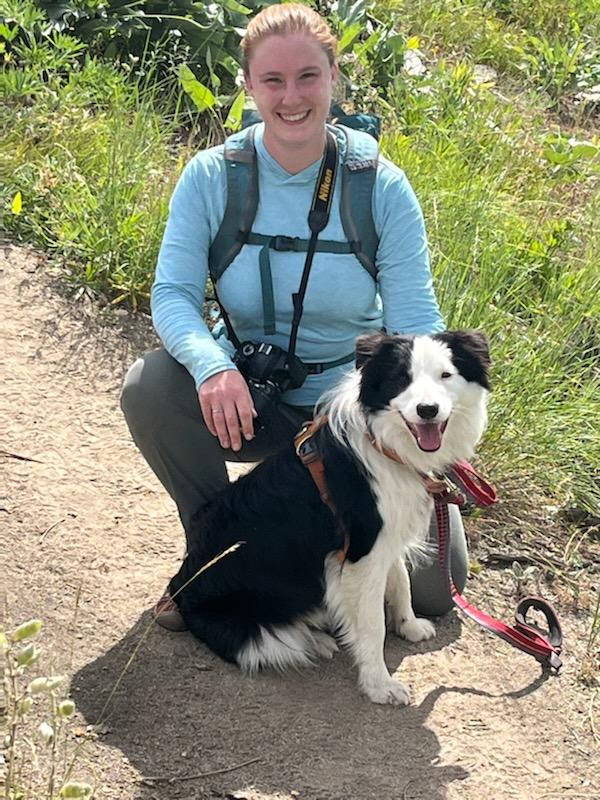
Sarah Ottino — Freelance Writer & Photographer
Sarah loves to write, create, and explore nature. She travels full-time in a 20 ft. Airstream with her husband and her border collie, Nimbus. She uses life’s adventures as inspiration for healthy living, outdoor recreation, and environmental content. She often uses her photography or design graphics to complement her writing. Her website is: www.naturewritten.com
Issue Page
Table of Contents, Issue #31, Spring 2026
One Bird Birding
ONE-BIRD BIRDING IN THE SALISH SEA by Maria Ruth, Spring 2026Pigeon Guillemots on a bluff. photo by Govinda Holtby by Maria Ruth Spring 2026Over the past decade, I’ve added just one bird to my life list of birds I’ve seen in my backyard. This bird wasn’t at my bird...
Serious, Playful, Mischievous, Nurturing
SERIOUS, PLAYFUL, MISCHIEVOUS, NURTURING by Gunnison Langley, Spring 2026Crow perched on a tree. photo by Gunnison Langley by Gunnison Langley Spring 2026Last year I joined a Birds Connect Seattle “Neighborhood Bird Outing” at Magnuson Park in North Seattle. About an...
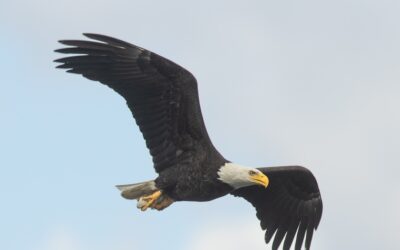
Bald Eagles, A Visual Story
Only mature adult bald eagles have the classic white heads and tails. As they recover from the egg-thinning effects of DDT, they are once again becoming common around the Salish Sea. However, because their lives primarily play out above our heads, we often miss some...
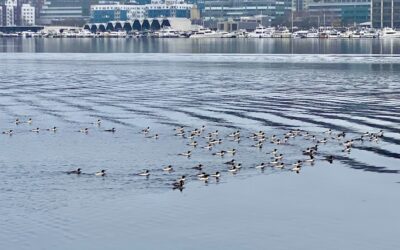
Birds on an Urban Lake
BIRDS ON AN URBAN LAKE by Dave Galvin Spring 2026Mergansers on Lake Union. photo by Dave Galvin by David Galvin Spring 2026The Salish Sea is defined by water: the sea itself, the freshwater lakes and rivers, and the rain that is the hallmark of the region. It is no...
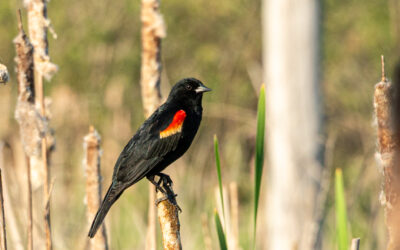
Mapping Red-Winged Blackbird Territories
MAPPING RED-WINGED BLACKBIRD TERRITORIES by Mica Sage Roberts, Spring 2026Male red-winged blackbird on cattail. photo by John F. Williams by Mica Sage Roberts Spring 2026Conk-la-ree! A moment later from the east: conk-la-ree-o! I flipped over the soggy graph paper map...
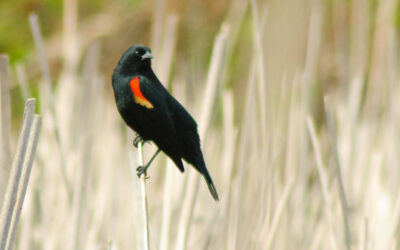
Poetry 31
by multiple poets Spring 2026Red-winged blackbird on cattail reed. photo by John F. Williams by multiple poets Spring 2026Red-winged Blackbird Marcia Claire Millican Conspicuous commander, comfortable atop the cattails. Displaying proud patches,resilient red and...
COPYRIGHT
Copyright SEA-Media
All rights reserved. Reproduction or distribution, in whole or in part. without consent of copyright owner is strictly prohibited — except for brief quotations in critical reviews and other noncommercial uses permitted by copyright laws.
SEA-Media is a 501(c)(3) nonprofit corporation
PLEASE HELP SUPPORT
SALISH MAGAZINE
DONATE
Salish Magazine contains no advertising and is free. Your donation is one big way you can help us inspire people with stories about things that they can see outdoors in our Salish Sea region.
We also don't advertise Salish Magazine, so please spread the word of this online resource to your friends and colleagues.
Thanks so much for your interest and your support.