
Wild Birds and Window Collisions
by Jeff Beyl, Summer 2024

Black-capped chickadee. photo by Skyler Ewing via Pexels
Wild Birds and Window Collisions
by Jeff Beyl
Summer 2024
It happened again this morning.
At first, I thought it was a gunshot. My head jerked, my shoulders jumped, and I quickly ducked beside the breakfast table. I wasn’t sure what happened or where the loud bang originated. It seemed to echo throughout my house as if it reverberated through the walls.
I looked through the sliding glass door out at the view beyond my deck. Was there an explosion somewhere in the distance? Did a car backfire? Do cars backfire anymore? I can’t remember the last time I heard a car backfire. Maybe a sonic boom? I don’t think I’ve heard a sonic boom since I was a kid.
Then I noticed something lying on the wood deck just below my large window. A bird, a spotted towhee to be exact. The towhee, Pipilo maculatus, is a large sparrow with a thick, round body. There was a small spot of blood coming from its mouth and a couple loose feathers lying beside it, quivering in the morning breeze. The bird appeared dead. I surmised that it must have flown headfirst into the window. It had to have been flying pretty fast to make such a loud noise upon collision. It bashed directly into the glass, thus the loud boom, and the crash must have killed it instantly.
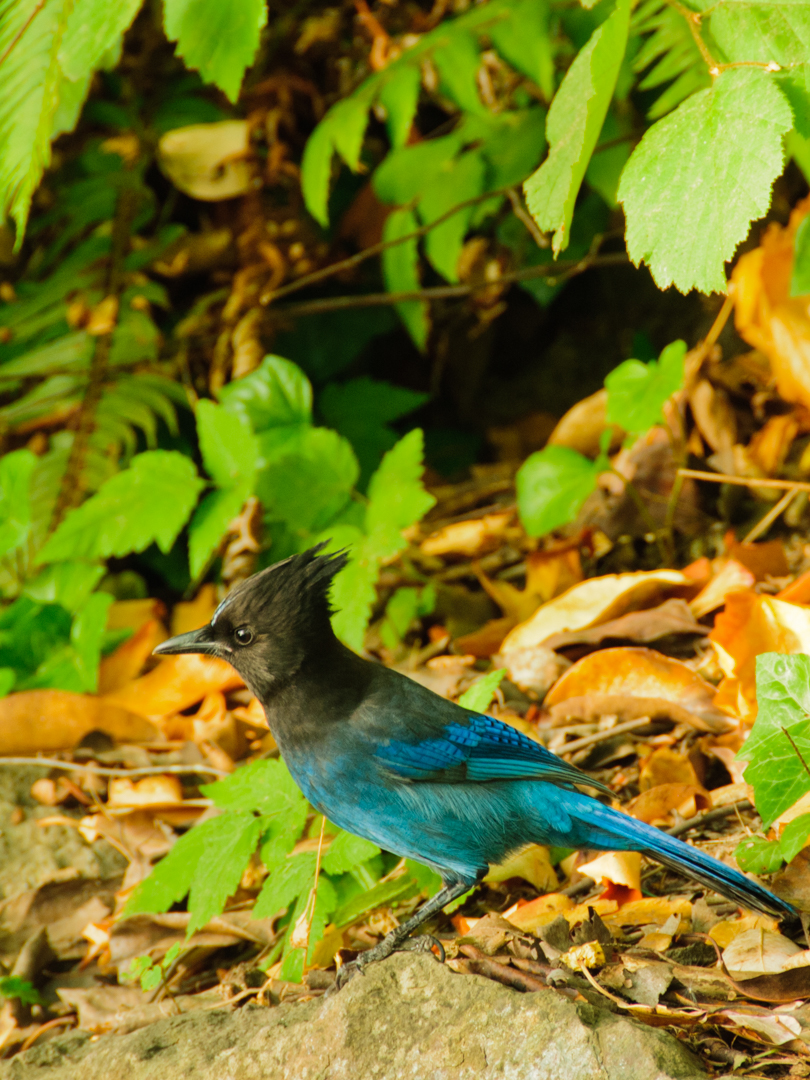
Steller’s jay. photo by Karen Perry
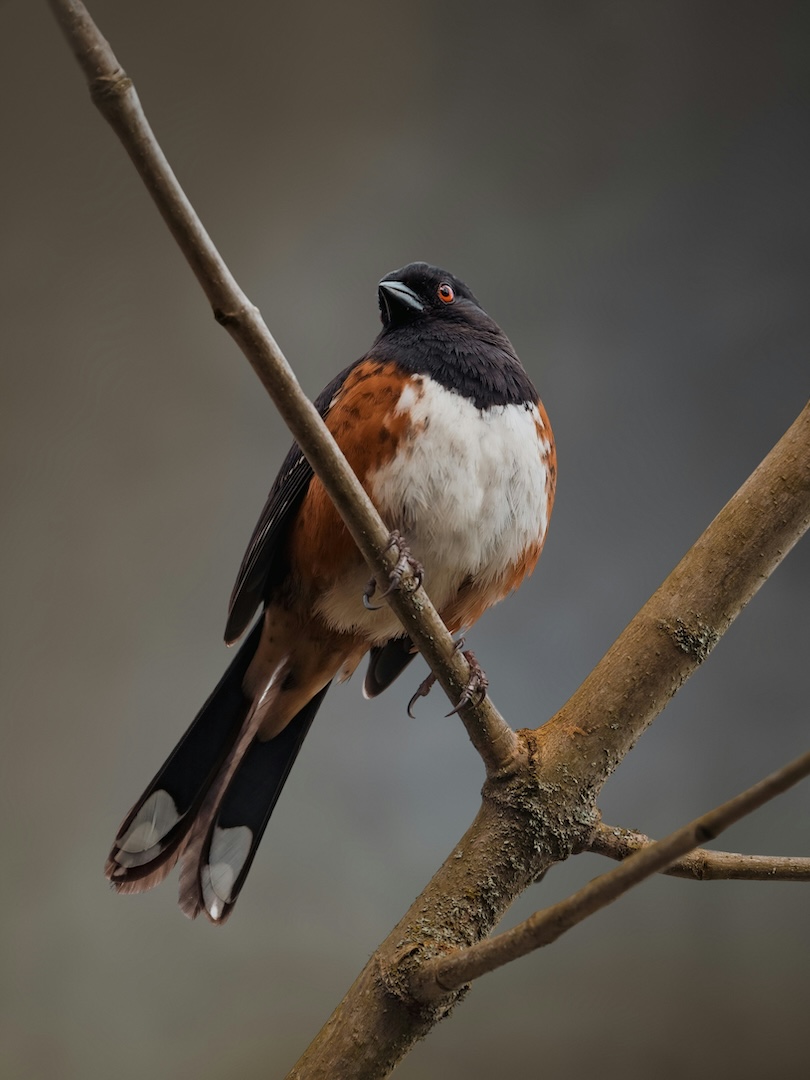
Spotted towhee. photo by Lance Reis via Unsplash
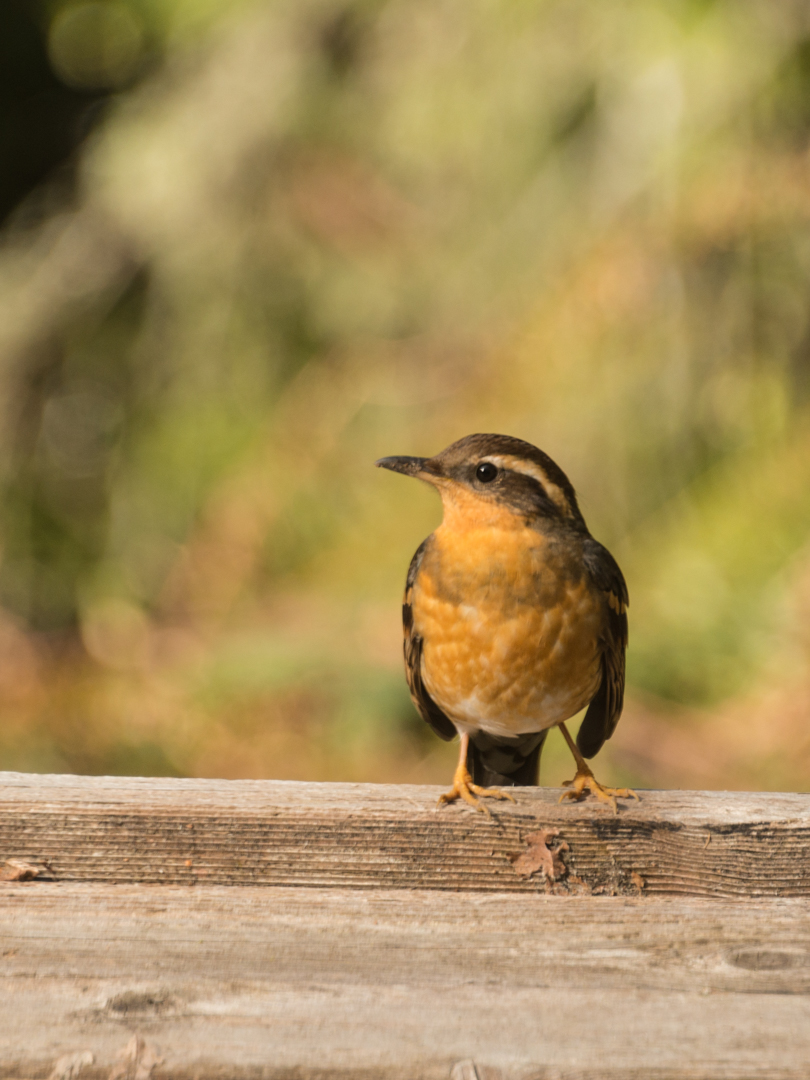
Varied thrush. photo by John F. Williams
It is not the first time this has happened. Several different types of birds have crashed into my front window. I have found Steller’s jays, chickadees, and thrushes. Once it was a flicker and twice an Anna’s hummingbird. All dead from slamming into my large bay windows. Why, I wondered, do they do that?
I did some research and found that yearly in North America, an estimated billion birds, usually males, die in window collisions. A billion! Wow! That is an astounding statistic. If that many die, how many bump their heads, knock themselves silly, and fall to the ground? Then get up thinking, whoa, what happened? Finally, they shake it off and fly away with a headache. Perhaps one billion more? Maybe ten billion? And why is it mainly males? Why don’t females fly into windows? Or at least, why not as often?
 This FAQ by the Audubon Society estimates the number of bird collisions. It also provides suggestions about how to avoid them.
See more about making your windows bird-safe from The Humane Society. This resource also contains links to other resources.

Osprey. photo by John F. Williams
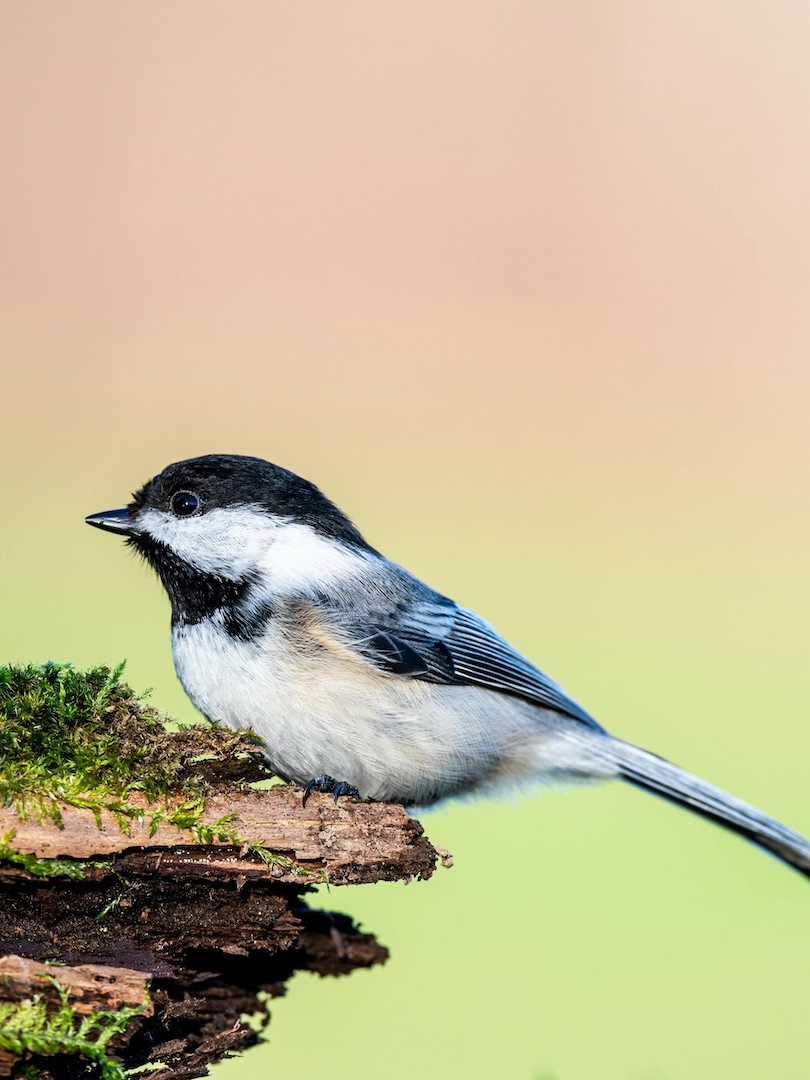
Black-capped chickadee. photo by Skyler Ewing via Pexels
There are several theories. If it is predominantly males that do this, perhaps they see, in the reflection of the window glass, another male bird in their territory and go after it not realizing that it is themselves that they are seeing. Many birds are territorial, especially if they have a nest nearby. So are black-capped chickadees and ospreys. Territoriality is common in the natural world. Lions are. Dogs are. Some sharks are. Even humans are territorial. I can understand territoriality.
And speaking of window glass being reflective; it is. When we see a reflection in window glass, a mirrored image of the world behind us, we understand the principle. But a spotted towhee doesn’t. He’s flying along at a fairly good clip. He sees the world before him, at least as he knows and understands it. To him, everything seems normal. So, he flies on. Then suddenly, WHAM! He’s dead. It’s that fast.
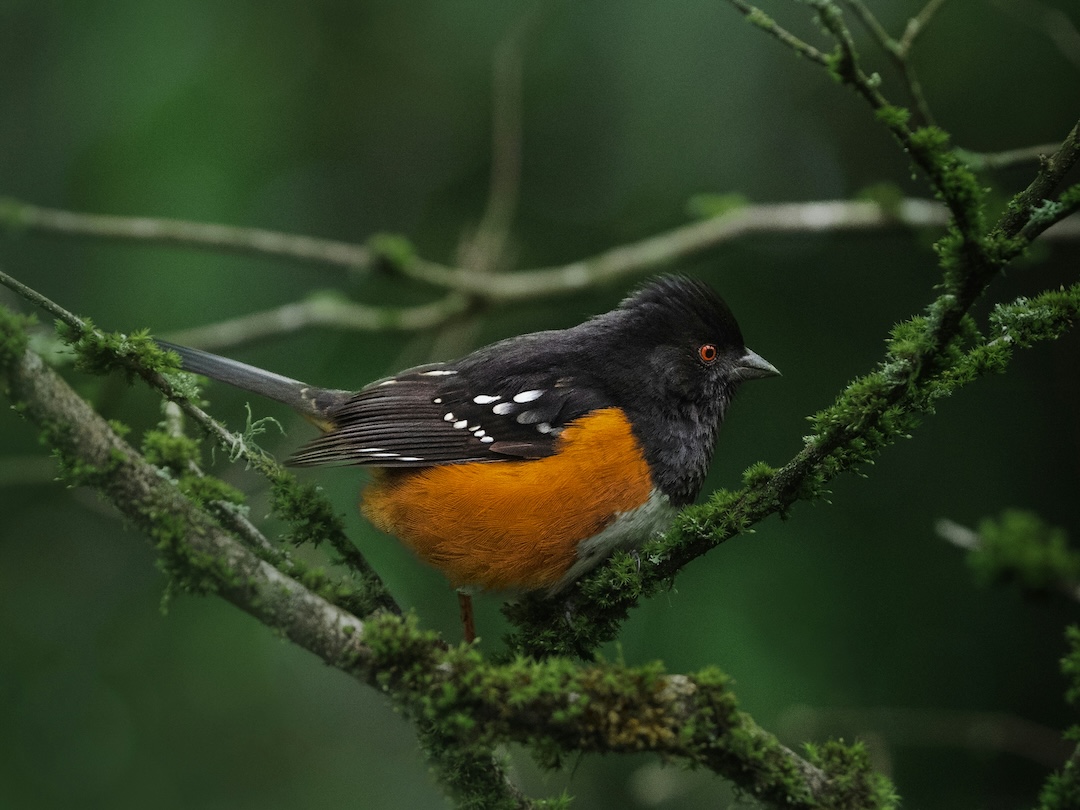
Spotted towhee. photo by Lance Reis via Unsplash
I slid the glass door open, stepped out onto the deck, and looked closely at the towhee. It was definitely a male. I am enough of a bird-watcher to recognize the patterns and coloration. I frequently see towhees scratching around in the underbrush of my yard. They perform a sort of two-footed, backward hop in search of berries, seeds, and insects. Some birds, such as black-capped chickadees and red-breasted nuthatches, fly to my feeders and hang by their tiny talons to eat the seed, while others, such as towhees and thrushes, scratch around below the feeders to get the spilled seed. I looked at the bird. It looked dead, but I wasn’t really sure. I left it alone a moment longer. I thought to let it alone to die on its own terms. Nature at work.
But nature did not invent the plate glass window. After a moment of silence, I decided I would bury it in the yard, under the very shrubs that it used to scratch around in. But before I did, I took a moment and looked closely at it.
It was a beautiful bird. I could try to describe the colors, the delicate patterns of its feathers, or the fire engine red of its eyes. But I don’t think my description would do the bird justice. I could try to describe the deep black of its hood flowing down to its shoulders or its bold, white spots set against the shiny black of its wings. I could attempt to describe the terra cotta color of its flanks juxtaposed against the downy, white feathers of its breast and belly. I could talk about its white-tipped, fan-like tail that flares wide when the towhee is perched on a fence post. You can google it. I did, and I learned that the male spotted towhee spends up to 90% of its time, singing to attract a mate. I learned that a lot of towhees together are called a tangle or a teapot. I like that. A tangle of towhees. A teapot of towhees.

Spot decals on a window at the ferry terminal on Bainbridge Island. photo by John F. Williams
But let’s talk a little about how to prevent birds from colliding with your windows. Remember the stat, about a billion. There are several things you can do to help prevent this. You can put decals, for instance, on your windows. If a bird is flying on a headlong course toward your plate glass and suddenly sees a decal, which is something different and alien to his knowledge and experience, he might veer off. That’s the theory anyway.
What kind of decals? Well, it is suggested to put decals of hawks or owls on your windows. A spotted towhee would certainly recognize a hawk or an owl. However, such decals might scare away songbirds. Hawks and owls are predators. And who wants decals all over their windows anyway? We want to see the view, not the decal. Another option is to hang things in your windows such as a mobile, a plant, or a wind chime. The bird may think, “What the heck is that?” and swerve away.
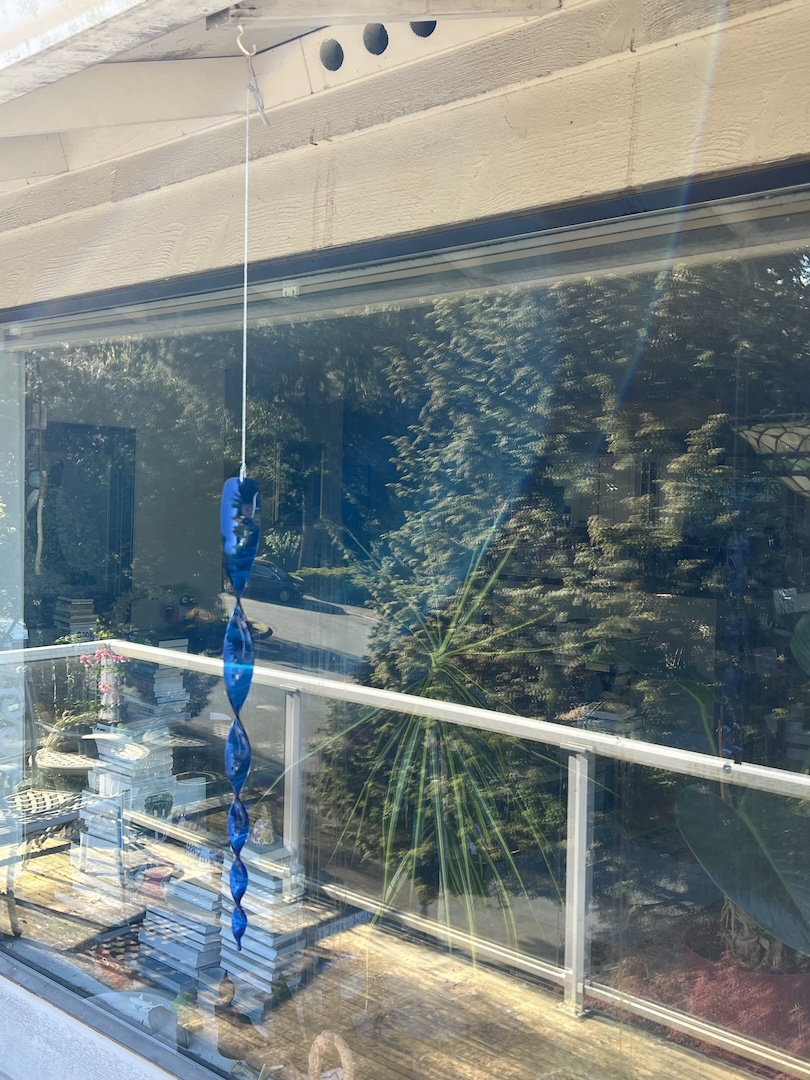
Reflections in window with glass corkscrew hanging in front of it. photo by Jeff Beyl
People walk into windows too. It happens all the time. Maybe you’ve never done it. Maybe, I’ve never done it. But some people do, and there are lawsuits every year by people who walk into glass doors at banks and restaurants. There are people who faceplant into display windows in clothing stores and grocery stores. Sometimes, they get hurt, or at the very least embarrassed, and next thing you know, they’re all lawyered up.
The towhee didn’t lawyer up. He died. And I buried him under the shrubs. In an effort to not have this happen again, I hung a wind chime outside that window. I also placed some petunias in a hanging pot, and I hung one of those curlicue things that corkscrew in the breeze by other windows. Since then, only one bird has crashed into my front window. But I know that every year, a billion birds will fly into other windows and die. And as a bird-watcher, that makes me sad.
In the meantime, look for good books about bird identification in your local bookstore. Maybe hang a feeder or two filled with a seed mix and get to know the birds in your yard on a personal level. Oh, and hang one of those curlicue things that corkscrew in the breeze. They’re kind of fun to watch, too.
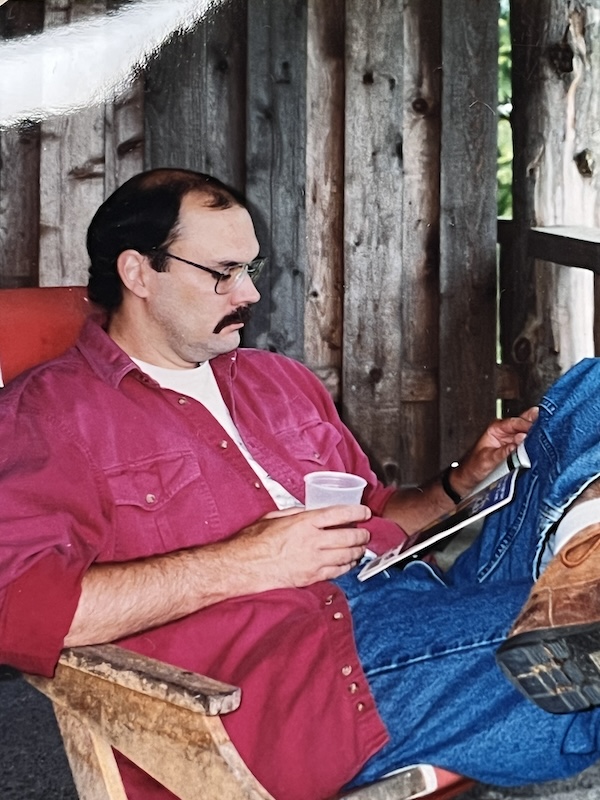
Jeff Beyl has been scuba diving since he was young. He has dived up and down the Pacific coast and Puget Sound as well as Australia, Hawaii and the Caribbean. He writes about nature, geology, fly-fishing, music, surfing and the ocean. He is a jazz guitarist, fly-fisherman, underwater photographer and has dived with whales, orcas, sharks and, of course, Spiny Dogfish. His book, A Conversation With the Earth, was published in 2020. He lives in Seattle.
Table of Contents, Issue #24, Summer 2024

Pocket Beach
by Julie Jeanell Leung, Summer 2024images by Julie Leung except as notedPocket beach in Myrtle Edwards Park, adjacent to Olympic Sculpture Park in Seattle.by Julie Jeanell Leung, Summer 2024images by Julie Leung except as notedLooking through Alexander Calder's...

Avalon Pond
by Joshua Ralph, Summer 2024Everett Crowley park, Vancouver Canada. photo by Chelaxy Designs via Unsplashby Joshua Ralph Summer 2024a history in a landscape Nestled within the far southeast corner of what is today Vancouver, British Columbia, lies a 40-hectare park,...
Salamanders, Stormwater, and Skateboards
by Susan McCleary, Jessica Sandoval, Max Lambert, Claire Kerwin, Summer 2024Yauger Pond when the area is not flooded. photo courtesy of WDFWby Susan McCleary, Jessica Sandoval, Max Lambert, Claire Kerwin Summer 2024Map of the route of water from Yauger Park to the...
The Wild Indoors
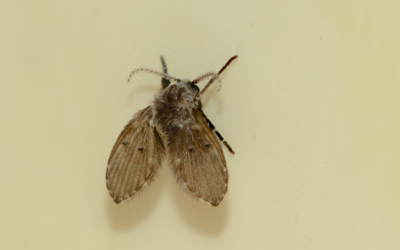
by Sarah Ottino, Summer 2024 images by Sarah Ottino except as noted Clogmia albipunctata or drain fly, less than 1/4" long. photo by John F. Williamsby Sarah Ottino images by Sarah Ottino except as noted Summer 2024Many of us think of nature as being restricted to the...
Neanderthals in the House
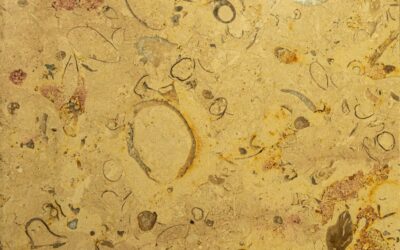
by David B. Williams, Summer 2024 images by David B. Williams except as notedFrench Limestone containing fossils in an exterior wall of Westlake Center, Seattle. photo by John F. Williamsby David B. Williams images by David B Williams except as noted Summer 2024In the...
Joy & Woes: Anna’s Hummingbirds
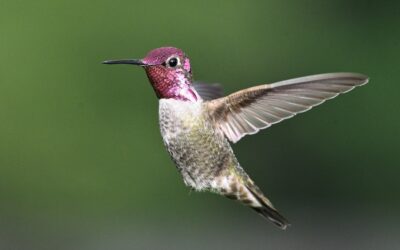
by Anya Gavrylko, Summer 2024Anna's hummingbird. photo by Veronika Andrews via Pixabayby Anya Gavrylko Summer 2024My freshman year of college I was in a regular state of awe as I adjusted to my new surroundings. I had moved to Seattle from the suburbs of Chicago, and...
Poetry 24
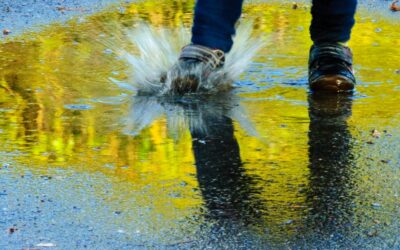
by multiple poets Summer 2024photo by of John F. Williamsby multiple poets Summer 2024Three Colleagues and a Coyote by Jessica Levine This poem was written in the morning of April First, describing the wild and wonderful life of being a bike commuter in the city. This...
COPYRIGHT
Copyright SEA-Media
All rights reserved. Reproduction or distribution, in whole or in part. without consent of copyright owner is strictly prohibited — except for brief quotations in critical reviews and other noncommercial uses permitted by copyright laws.
SEA-Media is a 501(c)(3) nonprofit corporation
PLEASE HELP SUPPORT
SALISH MAGAZINE
DONATE
Salish Magazine contains no advertising and is free. Your donation is one big way you can help us inspire people with stories about things that they can see outdoors in our Salish Sea region.
We also don't advertise Salish Magazine, so please spread the word of this online resource to your friends and colleagues.
Thanks so much for your interest and your support.