
Avalon Pond – A Miniature Urban Oasis
by Joshua Ralph, Summer 2024
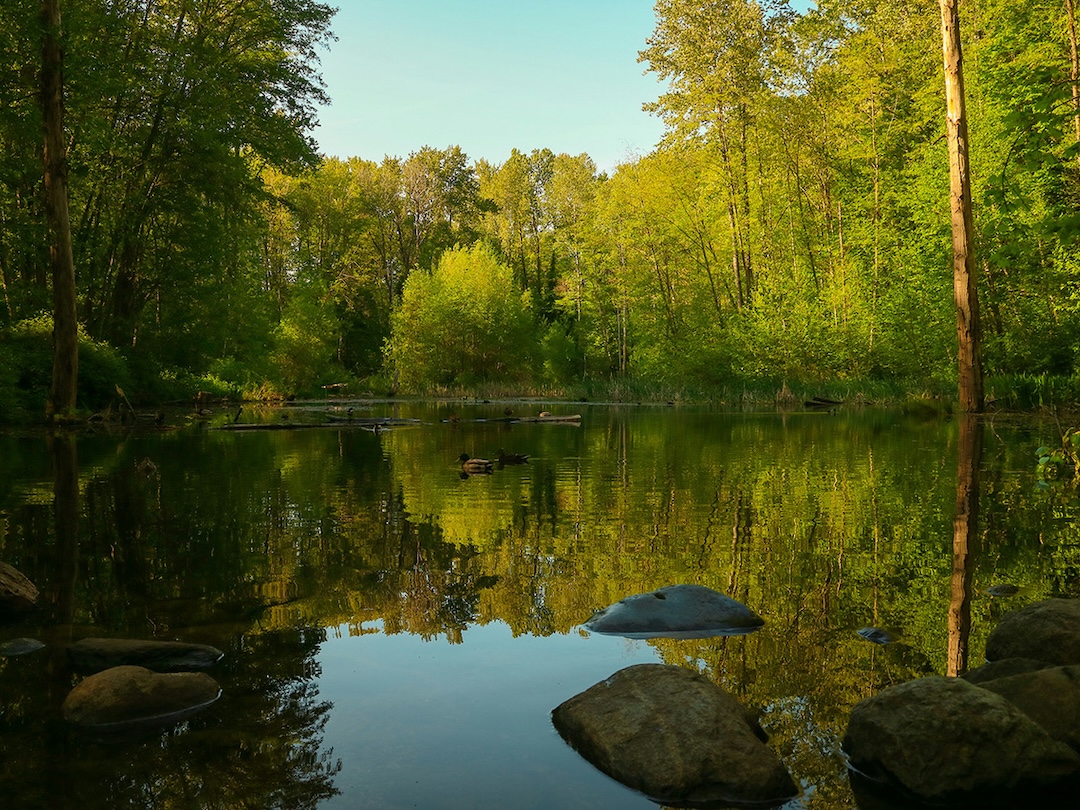
Everett Crowley park, Vancouver Canada. photo by Chelaxy Designs via Unsplash
Avalon Pond – A Miniature Urban Oasis
by Joshua Ralph
Summer 2024
a history in a landscape
Nestled within the far southeast corner of what is today Vancouver, British Columbia, lies a 40-hectare park, a window into the multifaceted relationship between urbanized centres and the natural world. Everett Crowley Park is situated on lands just north of a historic village, described in Musqueam history as Tsukhulehmuth (suk-hu-lay-mult), along the north arm of the Fraser River. It was once host to a large salmon-bearing stream, known as Kinross Ravine, surrounded by old-growth Douglas-fir, western hemlock, and western redcedar.
Beginning in in 1944, in the boom of Vancouver’s urbanization experiment, the lands were excavated and swiftly filled in by the Kerr Road Dump. The land was used as a primary municipal landfill site for 22 years, one dump truck unloading its waste every ninety seconds while the refuse site was in operation. It is estimated that four million cubic meters of garbage was dumped into the Kinross Ravine.
With the area largely eradicated of flora, the city began excavating the northeast corner of the parcel in the 1960s, collecting sand to be used for street trenches around construction-hungry Vancouver; the resulting Avalon Pond became the lowest topographical region in the soon-to-be neighbourhood. The Pond has since unintentionally served to collect rain and surface drainage from surrounding residential zones, creating a small wetland. The resulting naturalized space serves as a contemporary sanctuary for wildlife within the city, offering a unique glimpse into the story of an ecosystem in recovery.
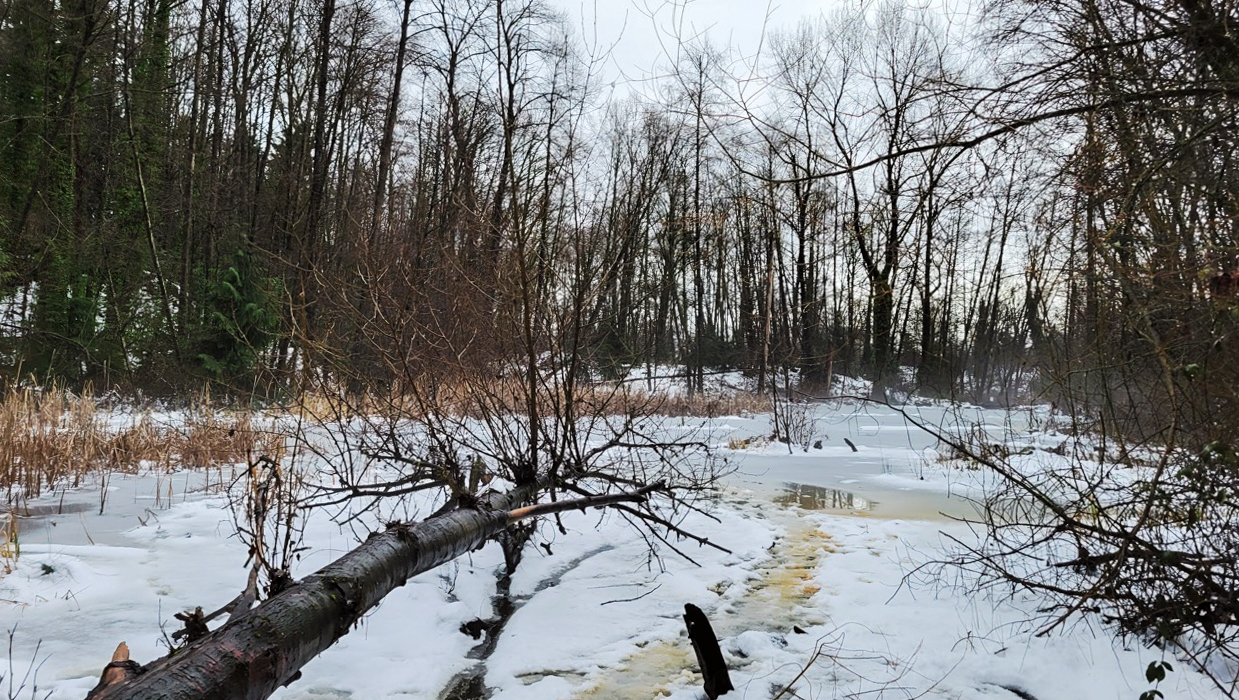
Everett Crowley Park in winter.
challenges and hidden sanctuaries
Following the entourage of disturbances from logging to waste disposal, natural processes have begun to reclaim the land, in turn establishing an urban riparian zone of early successional deciduous woodland. However, as a result of past disturbance to the historic vegetation, soils, and native seed bank, much of Avalon Pond’s surrounding area is coated in expansive thickets of invasive Himalayan blackberry, morning glory, and reed canarygrass, competing for space and sunlight with low-lying native vegetation and saplings.
The Pond is host to a large bloom of invasive yellow floating heart (a type of pond lily), rooted in the substrate, forming dense mats over the water surface with the advent of each spring. With taproots and rhizomes penetrating deep into the once-barren earth, such hardy introduced and invasive species found an opportunity to thrive.
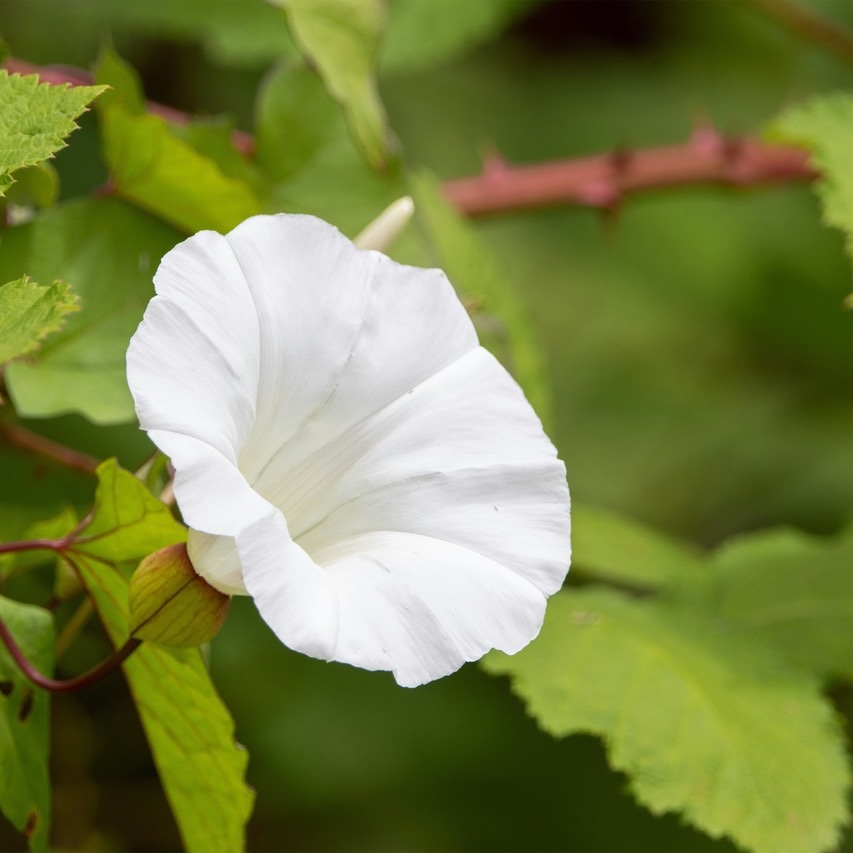
Morning glory flower.
Through much deliberation on varied uses for the land, Everett Crowley Park was opened in 1987. Major strides have been made in recent decades in naturalizing the space with the support of lasting, place-based stewardship. A sign of success is the recent confirmation of northwestern salamanders — a sensitive amphibian species — in Avalon Pond. Long-time inhabitants include three-spined stickleback and families of mallards that choose the Pond as their nesting grounds each year.
Despite invasive species, the areas adjacent to the Pond now host a variety of native riparian plants such as salmonberry, rushes, pondweeds, and willows. Today, trees tremble in the breeze and birds sing as Avalon Pond spills out into a creek running to the southeast. In the face of this disjointed and destructive history, urban wilderness continues to thrive.
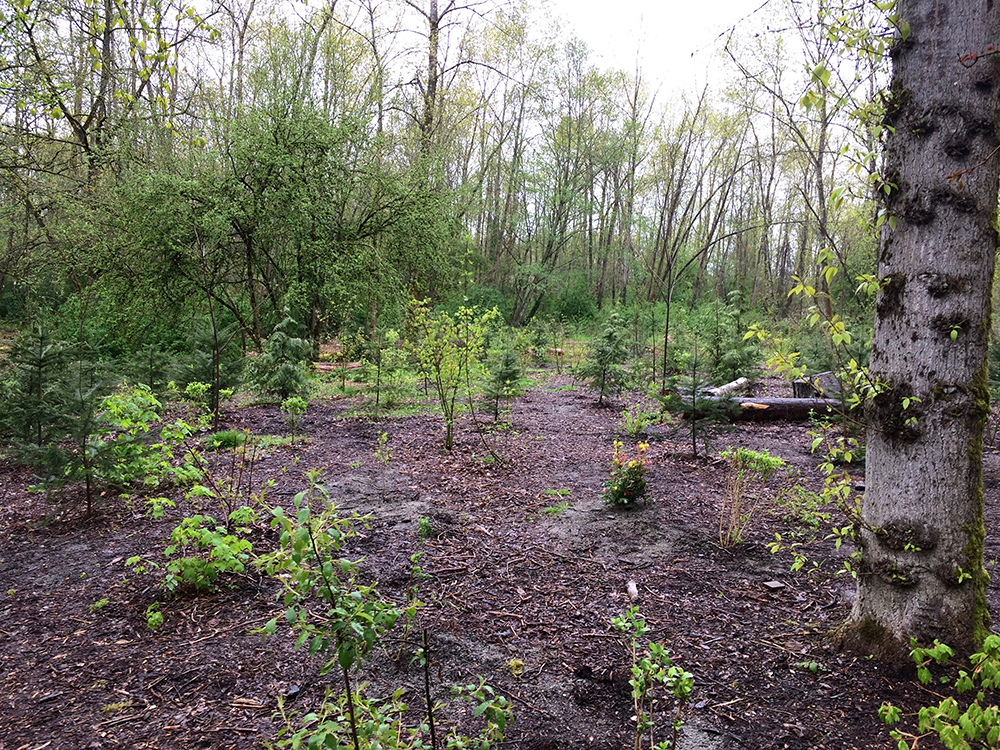
Everett Crowley Park restoration. photo by Damian Assadi
the waters ripple onwards
In this path to recovery from ecologically detrimental land uses, paired with decades of intensive exploitation, Avalon Pond stands testament to the resiliency of these shared environments, unearthing interconnected processes atop the altered ecologies of this watershed. In a meeting ground between manufactured and naturalized landscapes, invasive and native flora, such watersheds reclaim the wounded land, spreading their waters atop the roots of aspens, down the gullets of ravens, transpired through the leaves of ferns. The waters recall the histories, are we willing to listen?
ANOTHER PERSPECTIVE
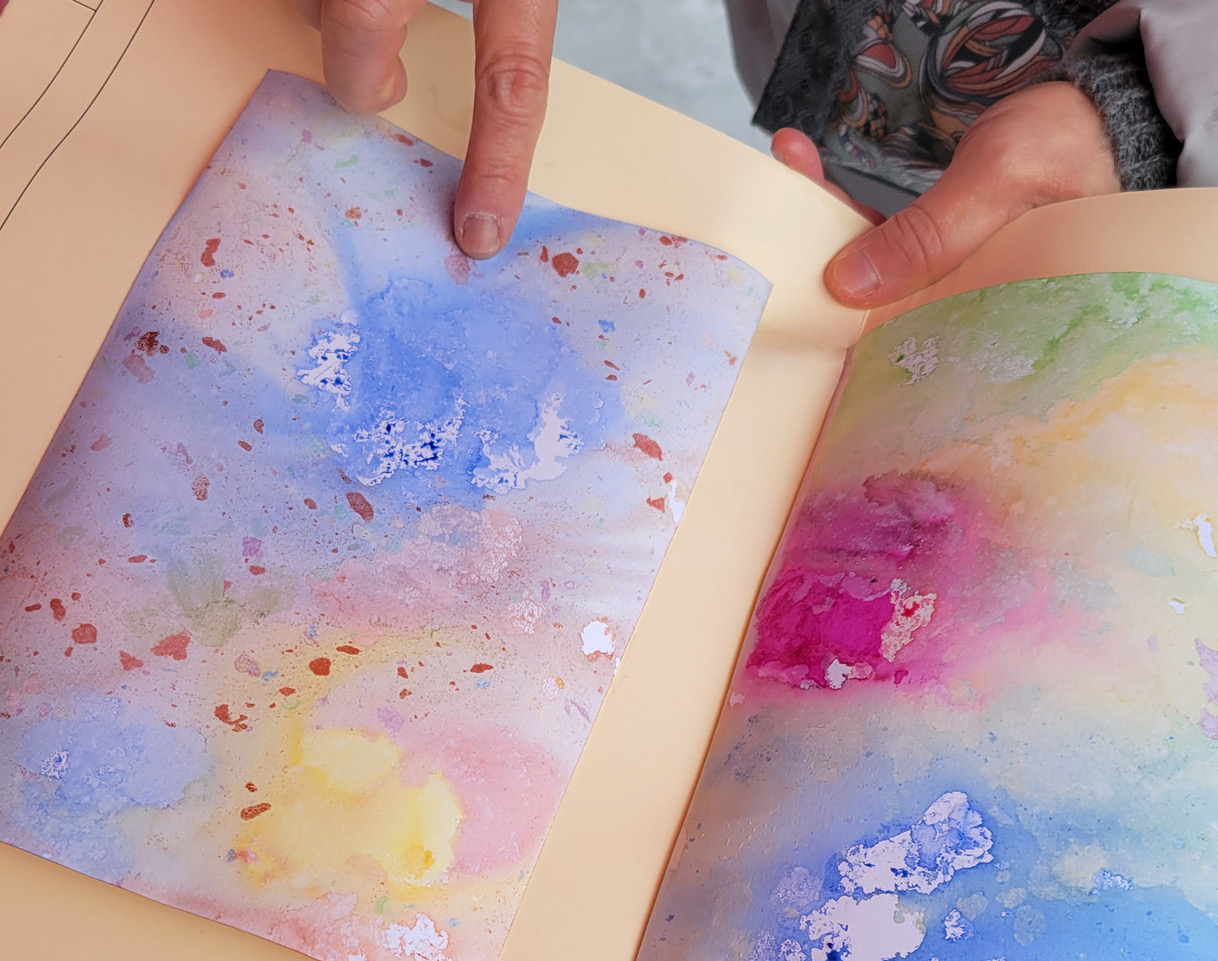
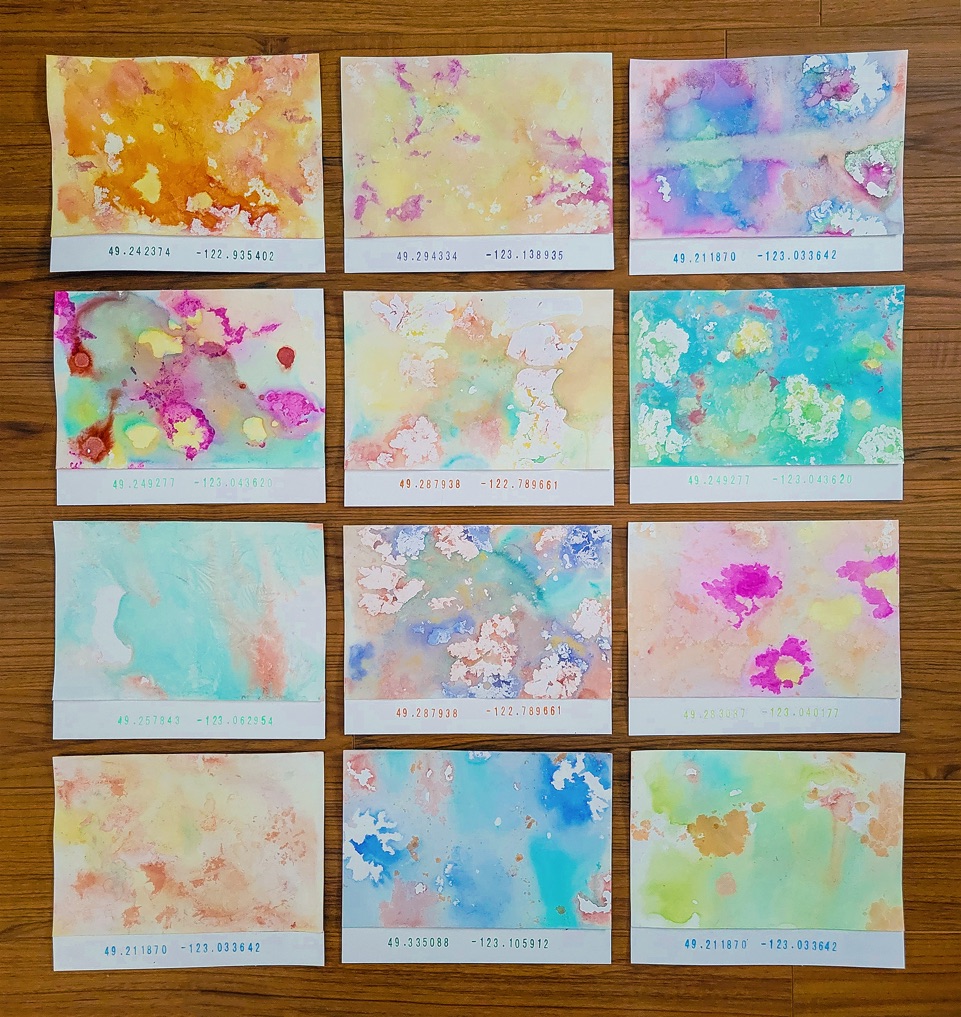
As an act of fostering a heightened connection to this place, The Freshwater Monitoring Art Kit joined with a group of volunteers in collecting water samples from Avalon Pond during the chilly mornings of January. Data was gathered on the pond’s pH, hardness, alkalinity, dissolved oxygen, and conductivity. Participants then collaborated with the body of water itself, making generative art to visually realize the collected data.
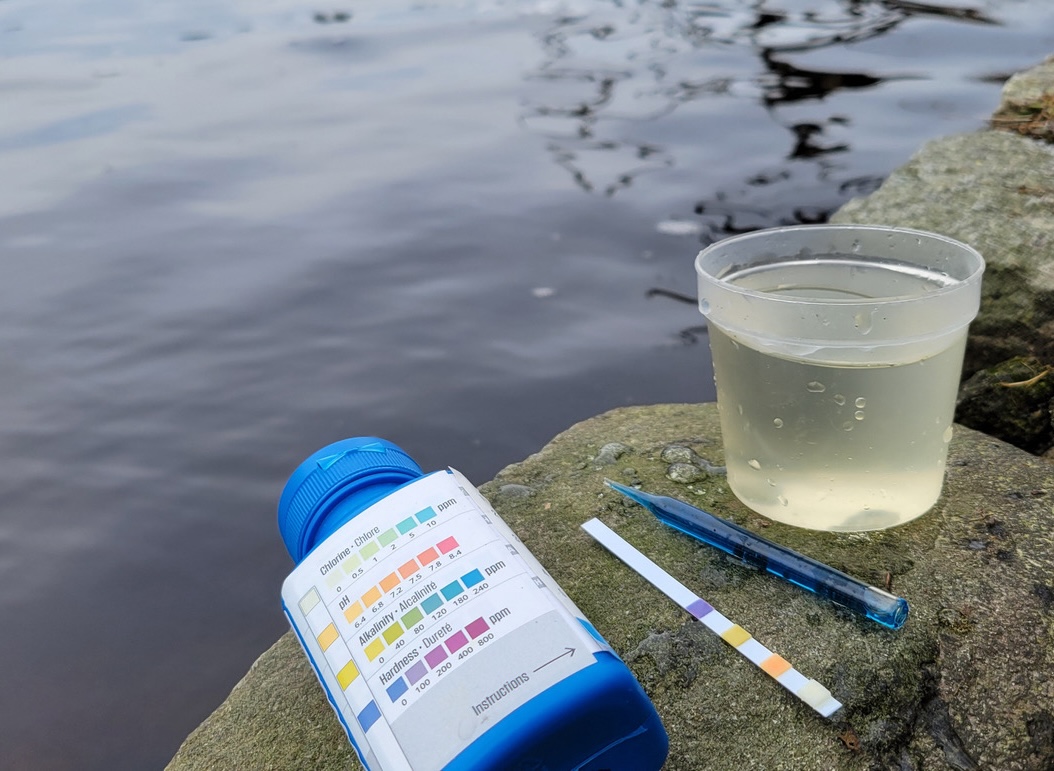
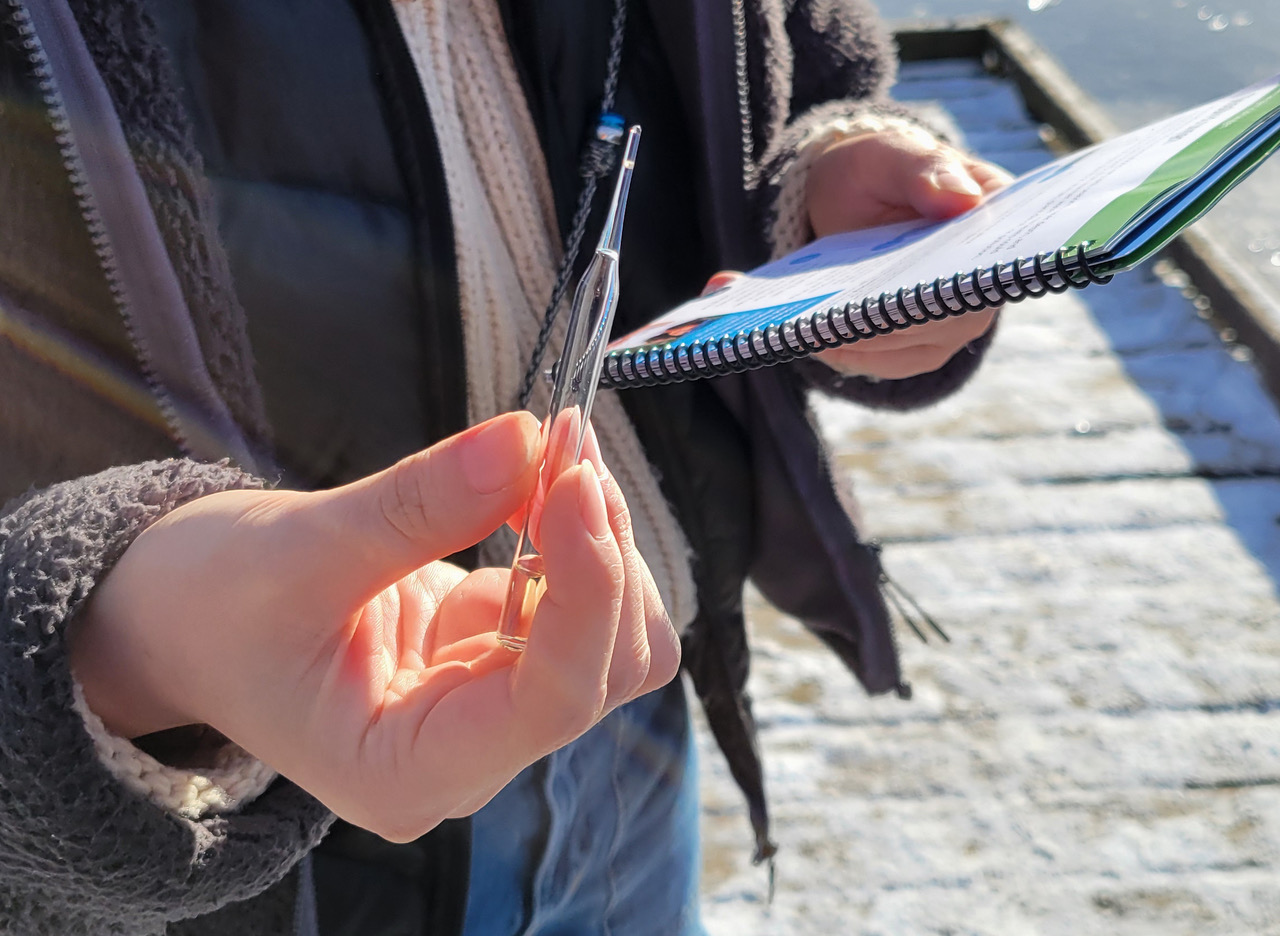
The event aimed to serve as a practice of communal documentation of this history, in bearing witness and providing gratitude for all that remains of these changed and changing ecosystems. We made art that invites reciprocity, while gathering scientific context in determining potential risks to human and ecosystem health atop the retired landfill site.
By inviting others to share in the experiences of gathering water data, the hope was for this project to play a role in a bettered understanding of the impact of these pasts on the current riparian ecosystems of the urbanized Vancouver landscape.
FIND OUT MORE
Editor’s note: The City of Vancouver’s Everett Crowley Park web page provides more information about the site’s history, use by First Peoples, trails, and landmarks (including Avalon Pond):
https://vancouver.ca/parks-recreation-culture/everett-crowley-trails.aspx
The following blog article provides details about the discovery of northwestern salamanders at Avalon Pond in 2023, as well as ongoing restoration efforts at the park:
https://champlainheightscc.ca/discovery-of-northwestern-salamander-at-avalon-pond-everett-crowley-park-ecp/
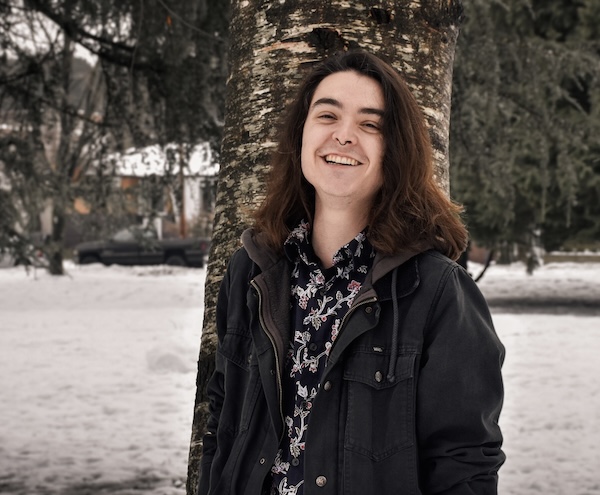
Joshua is an uninvited settler-occupier on the shared and stolen lands of the Squamish, Musqueam, and Tsleil- Waututh Nations. They are a community-engaged media and eco-artist, interested in changed and changing ecologies, advocating for collaborations on the intersections between art-making and varied understatings of the “natural” world.
They are the founder of the Invasive Art initiative, an arts-focused traveling project that promotes environmental dialogues through public workshops.
Table of Contents, Issue #24, Summer 2024

Pocket Beach
by Julie Jeanell Leung, Summer 2024images by Julie Leung except as notedPocket beach in Myrtle Edwards Park, adjacent to Olympic Sculpture Park in Seattle.by Julie Jeanell Leung, Summer 2024images by Julie Leung except as notedLooking through Alexander Calder's...
Wild Birds and Window Collisions
by Jeff Beyl, Summer 2024Black-capped chickadee. photo by Skyler Ewing via Pexelsby Jeff Beyl Summer 2024It happened again this morning. At first, I thought it was a gunshot. My head jerked, my shoulders jumped, and I quickly ducked beside the breakfast table. I...
Salamanders, Stormwater, and Skateboards
by Susan McCleary, Jessica Sandoval, Max Lambert, Claire Kerwin, Summer 2024Yauger Pond when the area is not flooded. photo courtesy of WDFWby Susan McCleary, Jessica Sandoval, Max Lambert, Claire Kerwin Summer 2024Map of the route of water from Yauger Park to the...
The Wild Indoors
by Sarah Ottino, Summer 2024 images by Sarah Ottino except as noted Clogmia albipunctata or drain fly, less than 1/4" long. photo by John F. Williamsby Sarah Ottino images by Sarah Ottino except as noted Summer 2024Many of us think of nature as being restricted to the...
Neanderthals in the House
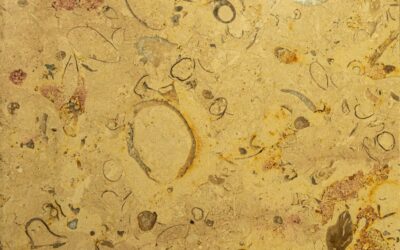
by David B. Williams, Summer 2024 images by David B. Williams except as notedFrench Limestone containing fossils in an exterior wall of Westlake Center, Seattle. photo by John F. Williamsby David B. Williams images by David B Williams except as noted Summer 2024In the...
Joy & Woes: Anna’s Hummingbirds
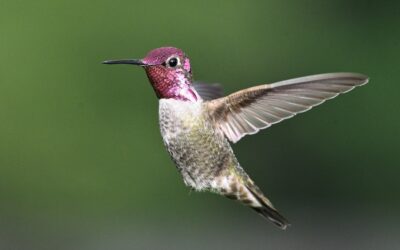
by Anya Gavrylko, Summer 2024Anna's hummingbird. photo by Veronika Andrews via Pixabayby Anya Gavrylko Summer 2024My freshman year of college I was in a regular state of awe as I adjusted to my new surroundings. I had moved to Seattle from the suburbs of Chicago, and...
Poetry 24
by multiple poets Summer 2024photo by of John F. Williamsby multiple poets Summer 2024Three Colleagues and a Coyote by Jessica Levine This poem was written in the morning of April First, describing the wild and wonderful life of being a bike commuter in the city. This...
COPYRIGHT
Copyright SEA-Media
All rights reserved. Reproduction or distribution, in whole or in part. without consent of copyright owner is strictly prohibited — except for brief quotations in critical reviews and other noncommercial uses permitted by copyright laws.
SEA-Media is a 501(c)(3) nonprofit corporation
PLEASE HELP SUPPORT
SALISH MAGAZINE
DONATE
Salish Magazine contains no advertising and is free. Your donation is one big way you can help us inspire people with stories about things that they can see outdoors in our Salish Sea region.
We also don't advertise Salish Magazine, so please spread the word of this online resource to your friends and colleagues.
Thanks so much for your interest and your support.