
Pocket Beach
by Julie Jeanell Leung, Summer 2024
images by Julie Leung except as noted

Pocket beach in Myrtle Edwards Park, adjacent to Olympic Sculpture Park in Seattle.
Pocket Beach
by Julie Jeanell Leung, Summer 2024
images by Julie Leung except as noted
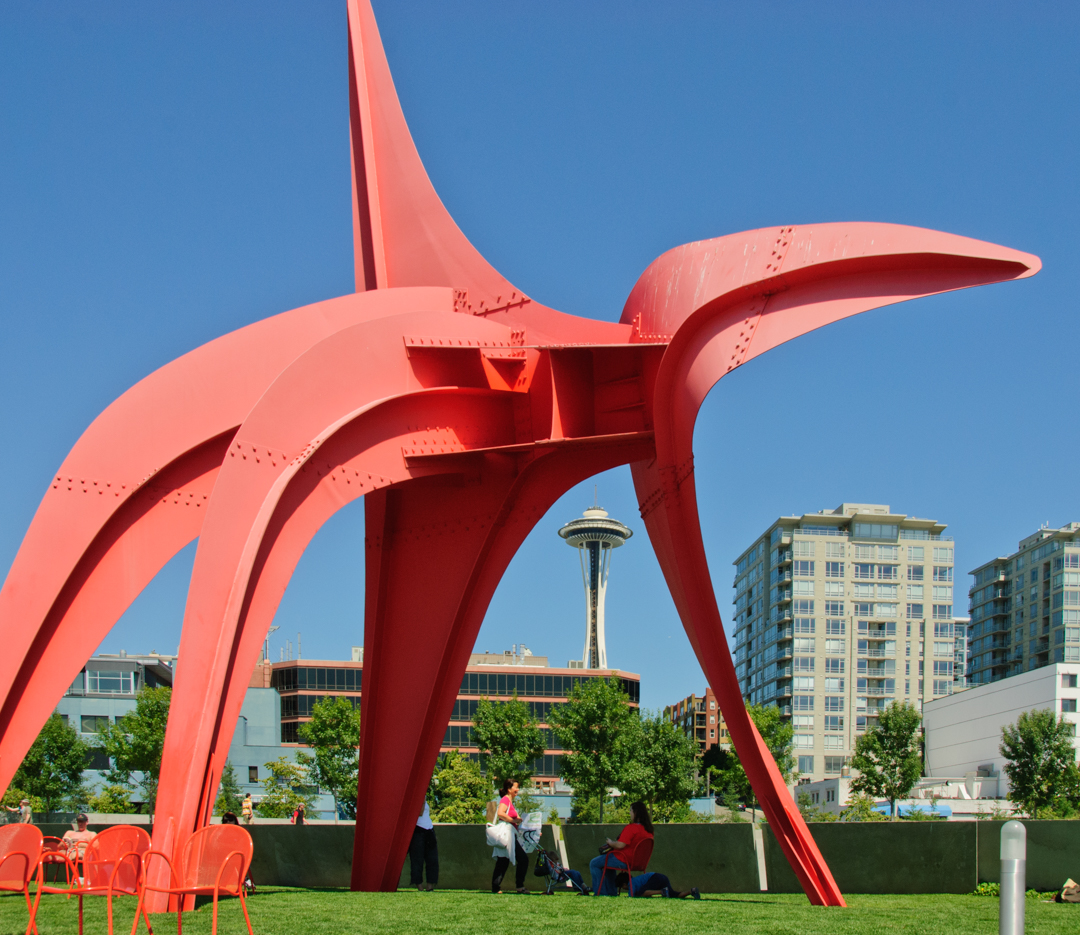
Looking through Alexander Calder’s sculpture The Eagle in Olympic Sculpture Park, toward Seattle’s Space Needle. photo by Karen Perry
A few city blocks away from the skyscrapers in downtown Seattle, the Olympic Sculpture Park offers easy access for exploring a restored shoreline. During summer low tides, visitors can observe the abundant biodiversity that has returned to this urban habitat since 2007. After following trails past sculptures, across a bridge over railroad tracks, and down to the edge of the Salish Sea, curious guests are rewarded with glimpses of the marine life thriving in the core of downtown Seattle. In fact, the quiet pocket beach has acquired a reputation among local beach naturalists and tidepool enthusiasts for being an exciting example of habitat restoration and biodiversity in the Salish Sea.
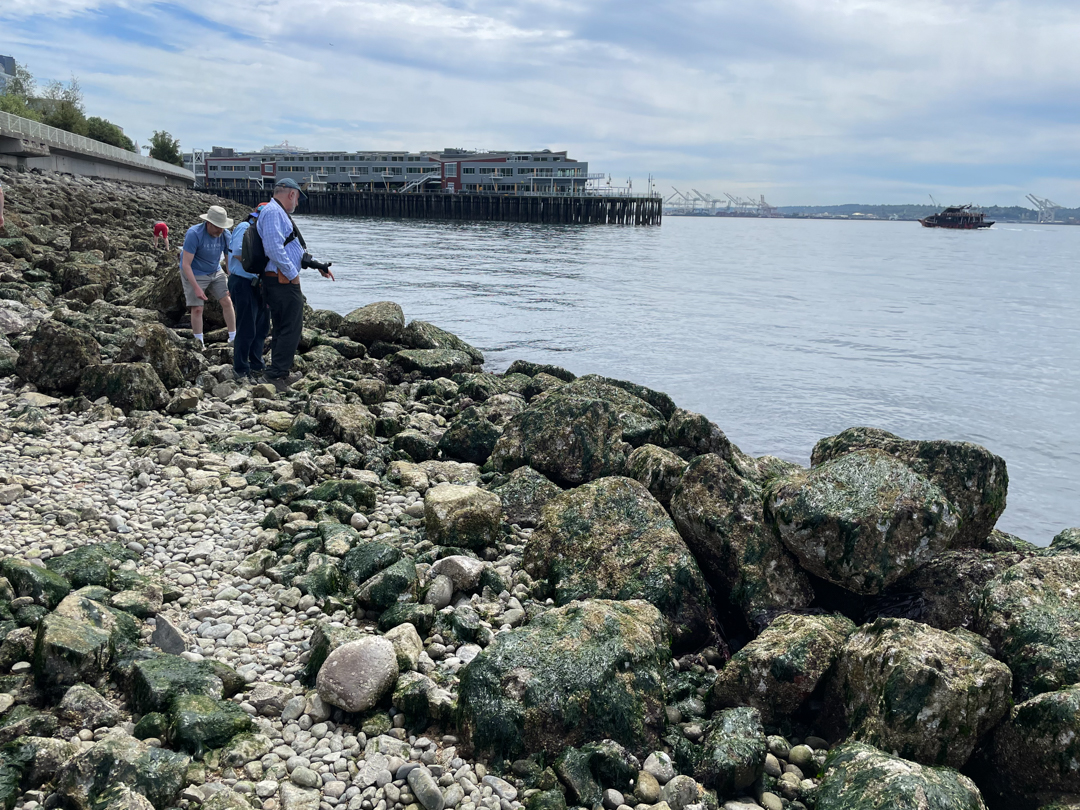
Looking south from the pocket beach.
history
By the early 20th century, railroads had displaced the villages and residences of the Coast Salish peoples who had lived along this shoreline for thousands of years. To recognize the indigenous history of this region, the City of Seattle has recently given the honorary name Dzidzilalich to a nearby section of Alaskan Way. The land now known as the Olympic Sculpture Park in earlier decades had served as a site for fuel storage, debris from I-5 construction, and trolley maintenance.
In 1999-2000, The Trust for Public Land and the Seattle Art Museum (SAM) acquired rights to create a public park on this undeveloped waterfront property in downtown Seattle. SAM’s goals included creating a restorative habitat for the juvenile Chinook salmon which migrate from nearby rivers into the Salish Sea. Riprap rock was relocated and shaped into a shallow bench so that young fish, smolt, would be protected from larger predators as they made their way towards the Pacific Ocean during their anadromous life cycle. Since the park’s opening in 2007, scientists have confirmed the restoration of species in this former industrial site including not only salmon and forage fish but also numerous invertebrates including a few species that are well worth cautiously exploring the barnacled rocks to see.
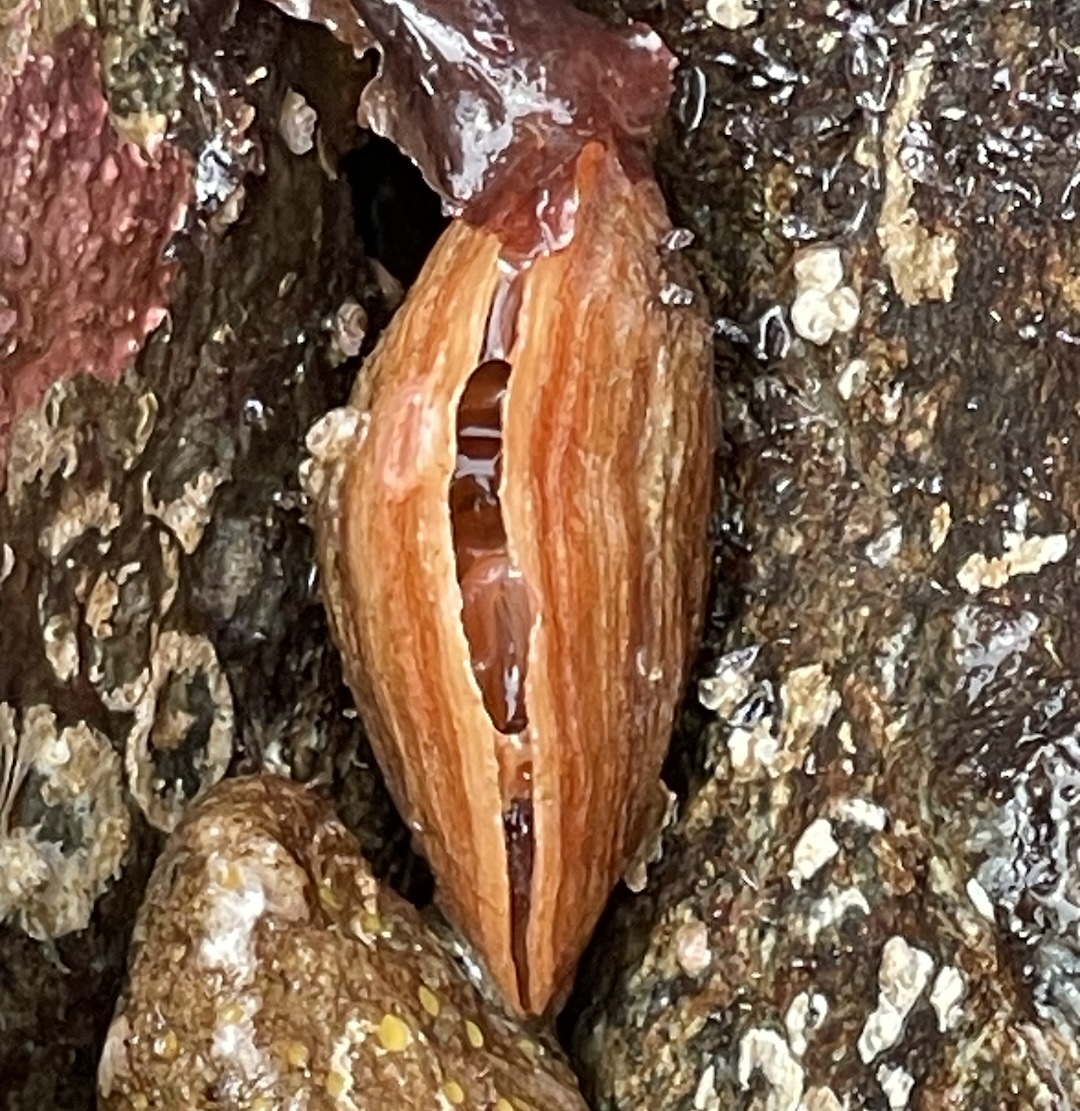
A slightly open lampshell.
lampshell (Terebratalia transversa)
Although a lampshell may look like a clam at first glance, this creature has a distinct dorsal shell and ventral shell, different from each other in shape. And unlike bivalves (clams), lampshells are anchored in place by a stalk or pedicle.
600 million years ago in the Cretaceous period, these members of the Brachiopoda phylum were one of the most abundant filter feeders on Earth with 30,000 species represented in fossils found all over the world. Scientists now think climate change may have been one of the factors in the decline of brachiopods. At low tide, check out the rocky edge of the pocket beach to spy these creatures that have survived eras of change.
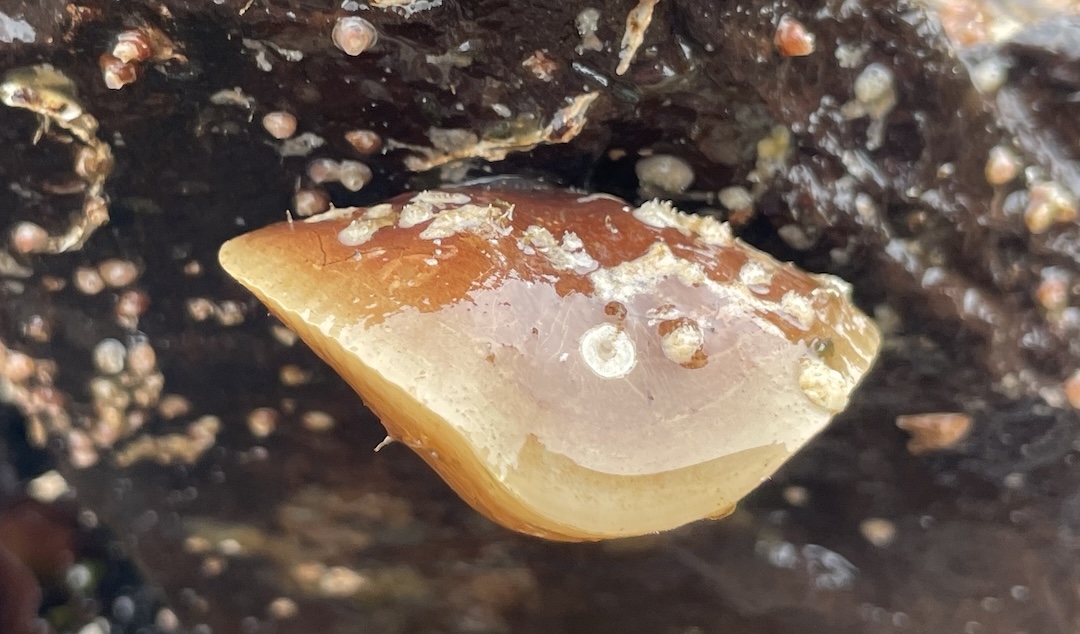
A very wet lamphell attached to a rock.
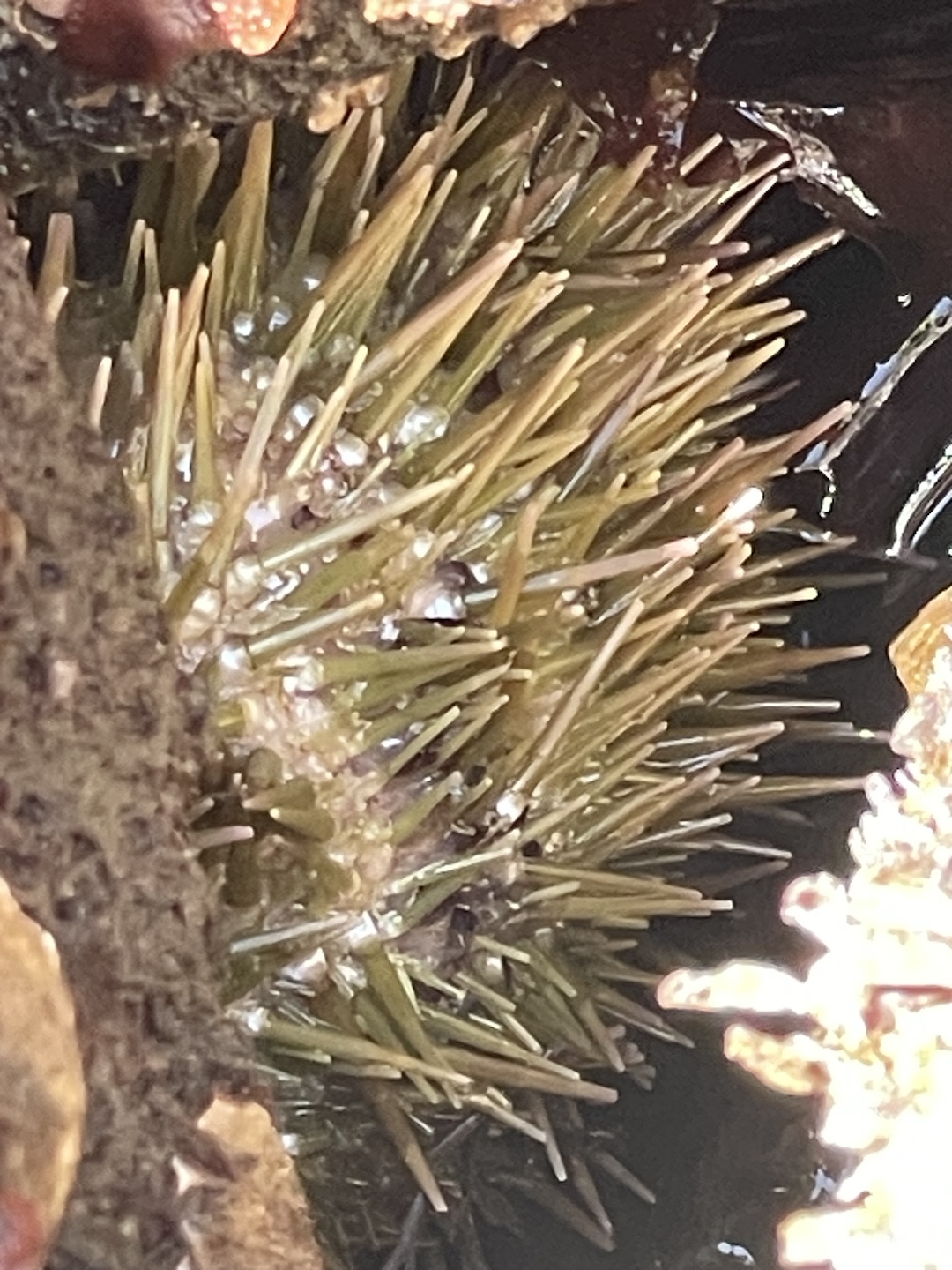
Green urchin (Strongylocentrotus droebachiensis).
armored sea cucumber (Psolus chitonoides)
The Echinoderm phylum is well represented in the pocket beach by sea stars, sea urchins, and sea cucumbers. Ochre stars and mottled stars are often seen at low tide, and blood stars are often found as well. Green urchins occasionally can be spotted in between edges of rock. Bright circles (feeding tentacle crowns) of the hidden bodies of orange sea cucumbers are easily visible as the tide is going out. Small salt and pepper sea cucumbers have been observed at this pocket beach.
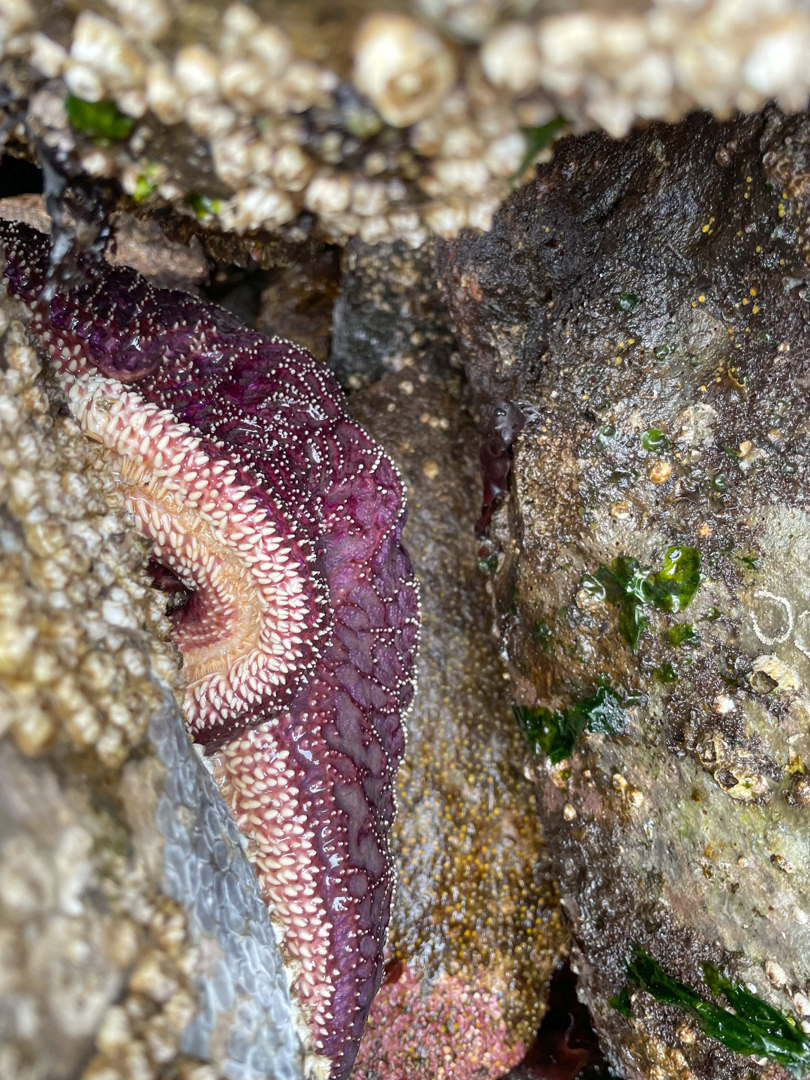
Ochre sea star (Pisaster ochraceus).
And the armored sea cucumber is another gem to glimpse here on the rocky shore. In keeping with the “spiny skin” name of the Echinoderm phylum, this creature protects itself with overlapping calcareous plates. Its feeding tentacles have a lava-red hue. With a high concentration of saponin in its body, the armored sea cucumber is toxic to most predators. The cilia and adhesion on their tentacles help sea cucumbers capture their dinner of detritus. Finding an armored sea cucumber may require some careful climbing onto rocks and persistent curiosity but it will be worth the effort to glimpse this “volcano”.
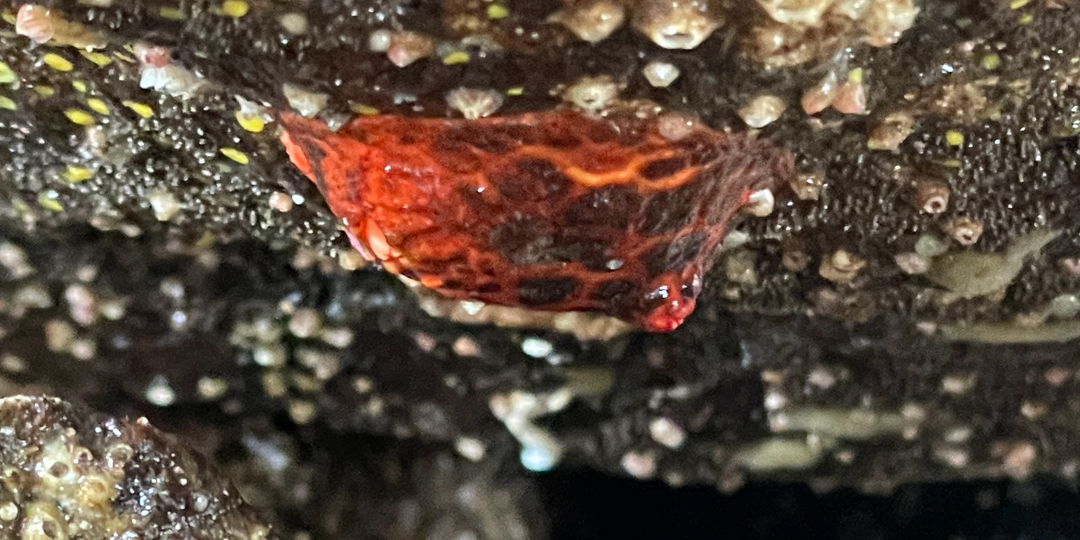
An armored sea cucumber.
hairy crab (Hapalogaster mertensii)
Surviving in the cobbles along the shoreline, hermit crabs and small shore crabs are abundant in this urban habitat. The hairy crab is another creature representing the biodiversity in this pocket beach. Keep an eye out in the gravel underfoot and perhaps a distinctive piece of a hairy crab molt will be visible.
In order to grow larger and mature, crabs will leave their exoskeleton behind as a molt. These decapod crustaceans are considered part of the king crab family. The Salish Sea area is the southernmost part of this creature’s habitat range, and this pocket beach is one place to observe this unusual invertebrate.
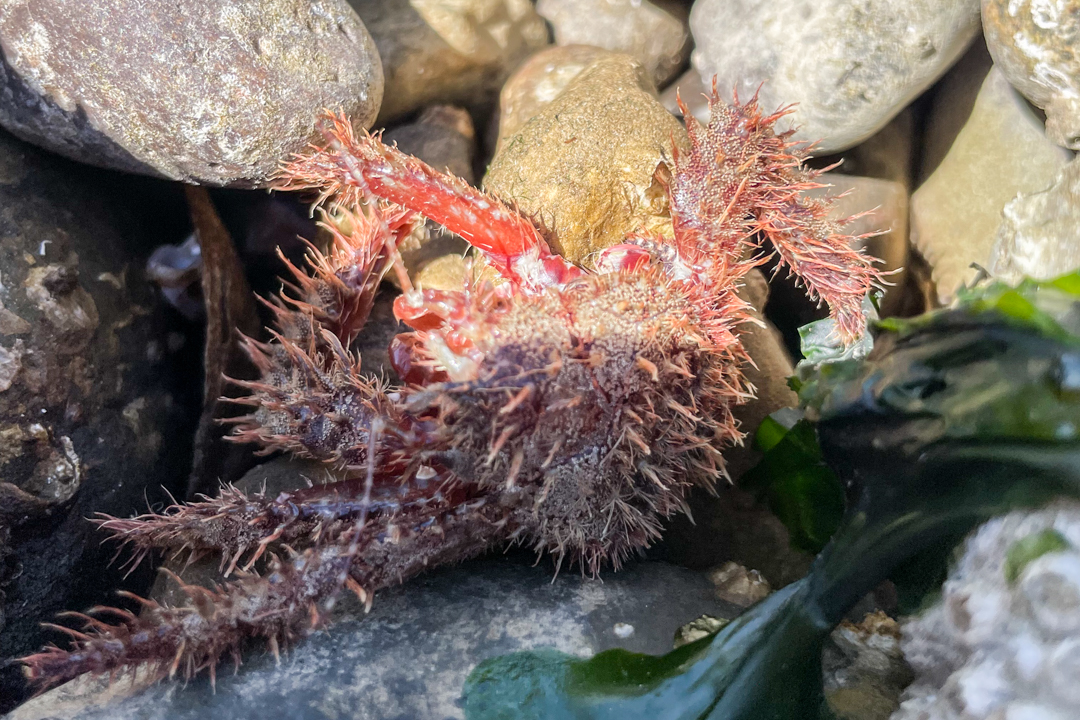
Hairy crab molt.
if you go
- Bring shoes that have good traction and protection on rocky shorelines, such as waterproof hiking boots.
- Bring gardening gloves to protect hands from the barnacles on rocks.
- Bring sun protective gear and water bottle, especially on summer days.
- Bring your curiosity and patience to explore this restored habitat!
Please note that any collecting or harvesting of sea creatures must follow all regulations from the City of Seattle, Washington Department of Fish & Wildlife, and the Department of Health. And in the core of an urban environment, it is inadvisable to consume wild creatures taken from the shoreline.
FIND OUT MORE
Seattle Aquarium Beach Naturalist program
Jen Strongin Photography and Instagram
Marine Life of the Pacific Northwest by Andy Lamb and Bernard P. Hanby
Department of Ecology, State of Washington:
- Eyes Under Puget Sound: Critter of the Month October 2019 (Sea Cucumber)
- Eyes Under Puget Sound: Critter of the Month November 2021 (Lampshell)
Climate Change Factors in the Fossil Record that Accelerate Mass Extinction
Seattle Art Museum Blog:
- Checking in on Environmental Restoration Efforts at the Olympic Sculpture Park
- More about the beach at the Olympic Sculpture Park
Extended abstract: Ecological responses and physical stability of habitat enhancements along an urban shoreline
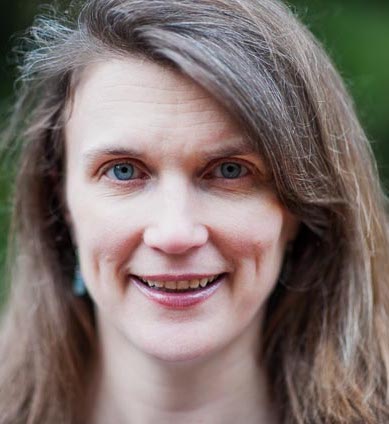
Julie Jeanell Leung received her MFA from the Rainier Writing Workshop at Pacific Lutheran University. Her creative nonfiction has appeared in a number of publications, including Bellingham Review, Blue Lyra Review, and Grist: The Journal for Writers. Her essays have been selected as a Finalist for Best of the Net and as a winner of the Living Earth Nonfiction Prize. A beach naturalist and citizen scientist, Julie lives with her family on Bainbridge Island where she counts sea stars on the rocky shores.
Table of Contents, Issue #24, Summer 2024
Avalon Pond
by Joshua Ralph, Summer 2024Everett Crowley park, Vancouver Canada. photo by Chelaxy Designs via Unsplashby Joshua Ralph Summer 2024a history in a landscape Nestled within the far southeast corner of what is today Vancouver, British Columbia, lies a 40-hectare park,...
Wild Birds and Window Collisions
by Jeff Beyl, Summer 2024Black-capped chickadee. photo by Skyler Ewing via Pexelsby Jeff Beyl Summer 2024It happened again this morning. At first, I thought it was a gunshot. My head jerked, my shoulders jumped, and I quickly ducked beside the breakfast table. I...
Salamanders, Stormwater, and Skateboards
by Susan McCleary, Jessica Sandoval, Max Lambert, Claire Kerwin, Summer 2024Yauger Pond when the area is not flooded. photo courtesy of WDFWby Susan McCleary, Jessica Sandoval, Max Lambert, Claire Kerwin Summer 2024Map of the route of water from Yauger Park to the...
The Wild Indoors
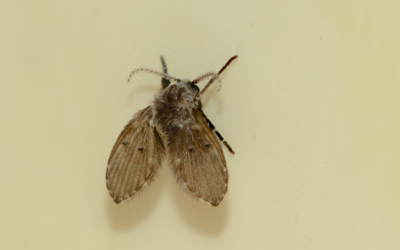
by Sarah Ottino, Summer 2024 images by Sarah Ottino except as noted Clogmia albipunctata or drain fly, less than 1/4" long. photo by John F. Williamsby Sarah Ottino images by Sarah Ottino except as noted Summer 2024Many of us think of nature as being restricted to the...
Neanderthals in the House
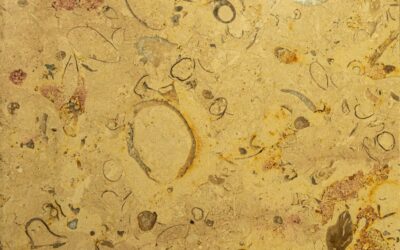
by David B. Williams, Summer 2024 images by David B. Williams except as notedFrench Limestone containing fossils in an exterior wall of Westlake Center, Seattle. photo by John F. Williamsby David B. Williams images by David B Williams except as noted Summer 2024In the...
Joy & Woes: Anna’s Hummingbirds
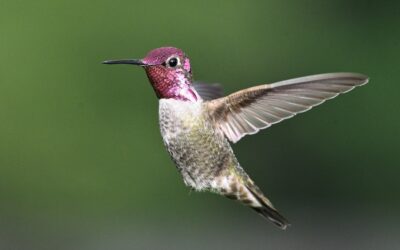
by Anya Gavrylko, Summer 2024Anna's hummingbird. photo by Veronika Andrews via Pixabayby Anya Gavrylko Summer 2024My freshman year of college I was in a regular state of awe as I adjusted to my new surroundings. I had moved to Seattle from the suburbs of Chicago, and...
Poetry 24
by multiple poets Summer 2024photo by of John F. Williamsby multiple poets Summer 2024Three Colleagues and a Coyote by Jessica Levine This poem was written in the morning of April First, describing the wild and wonderful life of being a bike commuter in the city. This...
COPYRIGHT
Copyright SEA-Media
All rights reserved. Reproduction or distribution, in whole or in part. without consent of copyright owner is strictly prohibited — except for brief quotations in critical reviews and other noncommercial uses permitted by copyright laws.
SEA-Media is a 501(c)(3) nonprofit corporation
PLEASE HELP SUPPORT
SALISH MAGAZINE
DONATE
Salish Magazine contains no advertising and is free. Your donation is one big way you can help us inspire people with stories about things that they can see outdoors in our Salish Sea region.
We also don't advertise Salish Magazine, so please spread the word of this online resource to your friends and colleagues.
Thanks so much for your interest and your support.